Primary Hyperparathyroidism Symptoms Diagnosis And Definitive Surgical Cure
Primary hyperparathyroidism, a condition characterized by high blood calcium levels resulting from overactive parathyroid glands, frequently goes unrecognized because its subtle symptoms are often attributed to age, stress, or menopause, Auxologico reported.
The parathyroid glands are four lentil-sized glands located behind the thyroid that produce parathyroid hormone (PTH), which regulates calcium quantities in the blood and bones.
When one or more parathyroid glands work too much, both PTH and blood calcium increase. The condition primarily affects women over the age of 50, though it can appear at any age, and most diagnoses currently occur incidentally through calcium tests performed for other reasons.
Warning signs of the condition include persistent fatigue, muscle weakness, concentration difficulties, memory decline, depressed mood, irritability, sleep disorders, and recurrent or other kidney stones and colic.
Additional signs encompass osteoporosis or fractures from minimal trauma, intense thirst, frequent urination, constipation, nausea, abdominal pain, gastritis, ulcers, widespread bone and joint pain, and arterial hypertension. While none of these signs alone is sufficient for a diagnosis, checking calcium and PTH levels is recommended when two or three combine.
Diagnosis relies on simple blood tests measuring calcemia, PTH, vitamin D, creatinine, and phosphorus. Confirmation is established when calcium is elevated alongside PTH that is high or inappropriately normal. Diagnostic workups are completed through 24-hour urine collection, renal ultrasound, and bone densitometry.
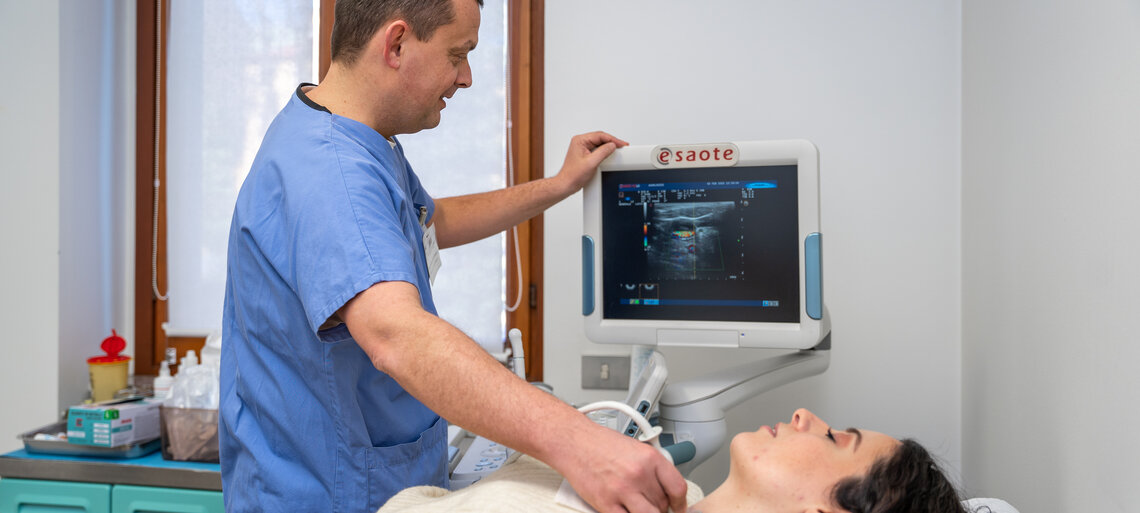
Imaging examinations—such as ultrasound, choline PET, and sometimes scintigraphy—are utilized exclusively after biochemical diagnosis to locate the diseased gland and plan surgery, rather than to make the diagnosis itself.
In the vast majority of cases, the underlying cause is an adenoma, which is a benign nodule affecting a single parathyroid gland.
Surgical removal of the diseased gland serves as the only definitive cure and achieves a cure rate of over 95 percent in expert centers, frequently leaving patients reporting higher energy, improved moods, and more restful sleep post-surgery. A smaller percentage of cases involve multi-glandular disease, requiring the removal of multiple enlarged parathyroid glands.
Regarding common questions about the condition, high calcium levels stem from the PTH hormone rather than diet, meaning that reducing dairy consumption does not cure the illness. Typically, high calcium is defined as levels above 10.2 to 10.5 mg/dL, though limits vary by laboratory and accounting for albumin or utilizing ionized calcium is factored in.
While high calcium is generally not an emergency, it always requires investigation, starting with repeating calcium and PTH tests together. Furthermore, a normal PTH level alongside high calcium is actually inappropriately high and can still indicate hyperparathyroidism, and while the parathyroid glands are near the thyroid, they are entirely separate organs with different functions.