
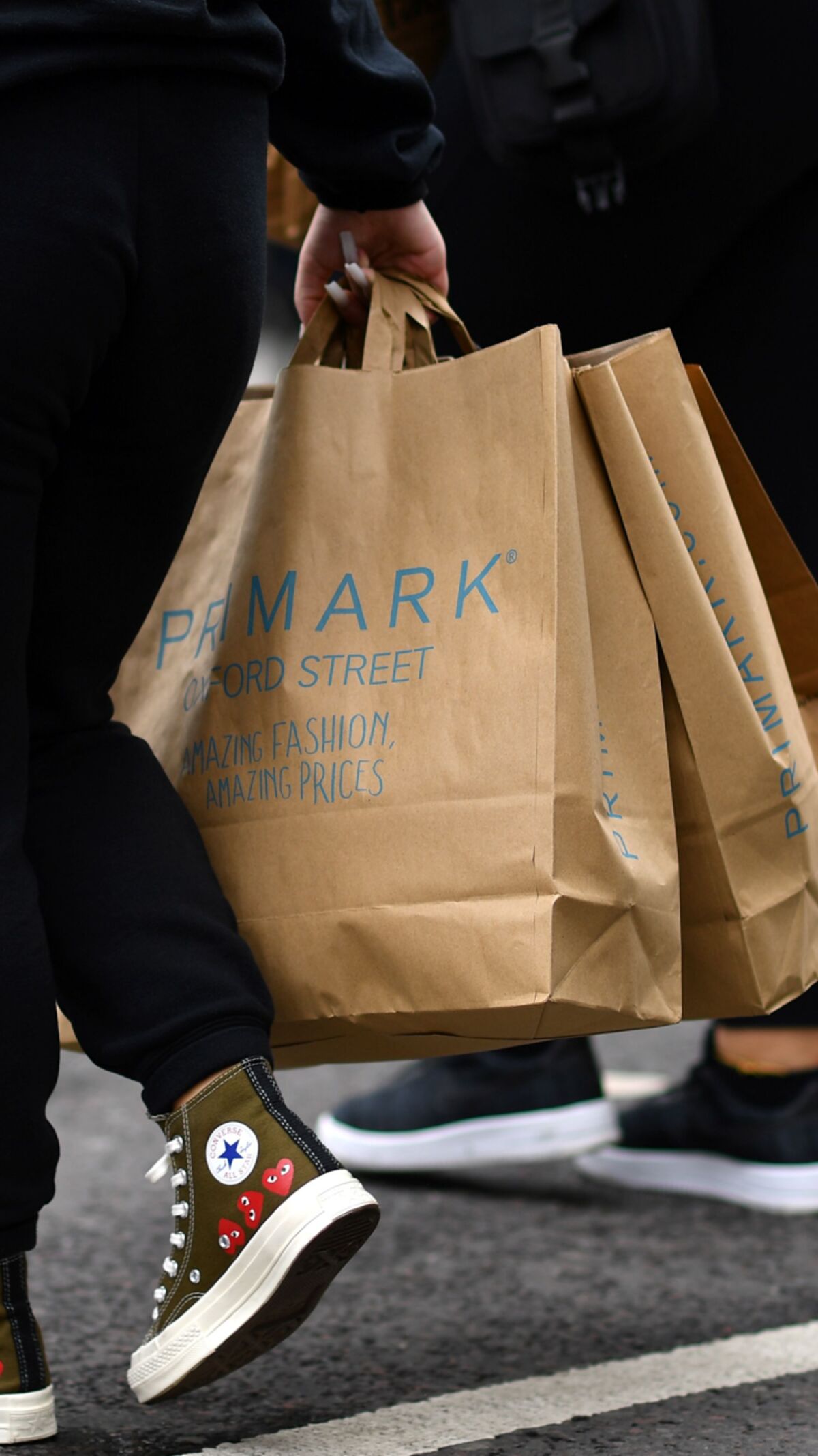
Associated British Foods (ABF) is reviewing the future of Primark, its fast-fashion retail chain, amid slowing sales and increased competition from online rivals like Shein and Temu, the company announced this week.
The potential separation of Primark from ABF’s food businesses – which include brands like Twinings tea and Kingsmill bread – has prompted analysts to consider a significant restructuring of the FTSE 100 conglomerate. While ABF has historically resisted splitting the two divisions, arguing that its unique structure provides stability, the recent performance of Primark has raised questions about the long-term viability of the current arrangement.
Primark’s full-year revenues rose by only one percent to £9.5 billion in the year ending September, with adjusted operating profits increasing by a marginal 1.6 percent to £1.12 billion. This sluggish growth comes as the retailer faces a challenging economic climate and a shift in consumer behavior.
The rise of ultra-low-cost online retailers, particularly Shein and Temu, is proving to be a major disruptor. Shoppers are increasingly drawn to these platforms’ extensive product ranges, even lower prices and the convenience of home delivery – a service Primark currently does not offer. Serena Milius, a finance manager from London, told the BBC that her wardrobe is now “90% Shein,” reserving Primark for “little bits and bobs” like socks and flip-flops.
The competition extends beyond online marketplaces. In continental Europe, Primark is contending with established brands like H&M and Zara, which benefit from stronger brand recognition. Inditex, Zara’s parent company, is likewise introducing its budget brand, Lefties, to the UK market, further intensifying the competitive landscape.
Despite the challenges, Primark retains a strong presence on the UK high street and has successfully expanded internationally. The company’s bricks-and-mortar focus remains a key element of its strategy, positioning it as a “core tenant” in retail parks. Though, the changing preferences of consumers, particularly younger shoppers, are forcing the company to reassess its approach.
Some consumers still favor Primark for basic items and low prices. Martha, a student in Leeds, stated she only shops at Primark for essentials like T-shirts and underwear, turning to other retailers for more fashionable pieces. This suggests a continued, albeit diminished, role for Primark in the market.
ABF has not provided a timeline for the completion of its review of the corporate structure. The outcome of this review will determine whether Primark will remain integrated within the conglomerate or embark on a new path as an independent entity.
