
Palanga Food Prices Shock Tourists
Seaside dining costs soar as restaurant owner blames labor costs.
Vacationers in Palanga are expressing dismay over unexpectedly high restaurant prices, especially when compared to those in Vilnius. One tourist found that a burger costing €11.30–€14.80 in the capital could cost as much as €17–€18 at the popular seaside resort.
Price Discrepancies at Meatbusters
A woman named **Camille** was surprised to discover the price differences when ordering from Meatbusters, a restaurant chain familiar to Vilnius residents, via the Wolt food delivery platform in Palanga. She noted that a beef burger cost €17 or €18, while chicken carbonara was priced at €20, and a pork neck steak at €21.
Checking prices in Vilnius, she found burgers at the Paupio market Meatbusters ranging from €7.50 to €11, with the most expensive at €12. Eating on the spot in Palanga would cost €16-17, a substantial increase.
Supply, Demand, and Labor Costs
Maxim Chudava, the founder of Meatbusters, explained that prices are adjusted based on demand and supply. As an example, he noted the high cost of tomatoes at the Palanga market, implying that prices would fall if consumers resisted.
Chudava also stated that hourly wages differ between Vilnius and Palanga, with seaside employees demanding €10 per hour compared to €8 in the capital. A recent report by Eurostat found that labor costs in the accommodation and food service sector have risen by 12% across the EU in the last year (Eurostat, 2023).
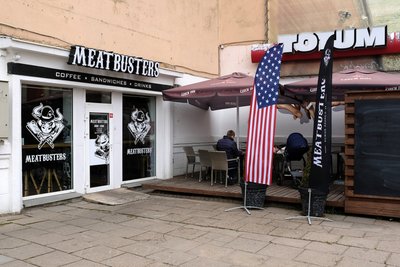
He emphasized that the profit margin remains consistent in both cities, but Palanga’s prices must be higher to achieve it. Rent in Palanga is significantly more expensive, and the tourist season is shorter, further impacting pricing.
Despite these challenges, Chudava reiterated that the labor market situation is the primary driver of rising prices, even with the influx of imported labor.
Economic Factors
Economist **Algirdas Bartkus**, an associate professor at Vilnius University, cited several reasons for the price disparities. Vilnius has more catering establishments, creating greater competition, and residents have the option to cook at home.

In Palanga, tourists have fewer alternatives to restaurants, giving businesses more leverage. Additionally, **Bartkus** noted that the tradition of dining out while on vacation contributes to higher prices.
The brevity of the season, coupled with high rent and employee costs, also plays a significant role. Prices may increase if customer numbers fall, as businesses seek to offset losses, according to **Bartkus**.
