President Prabowo’s Diplomatic Missions to France and Russia: Focus on Defense and Energy Cooperation
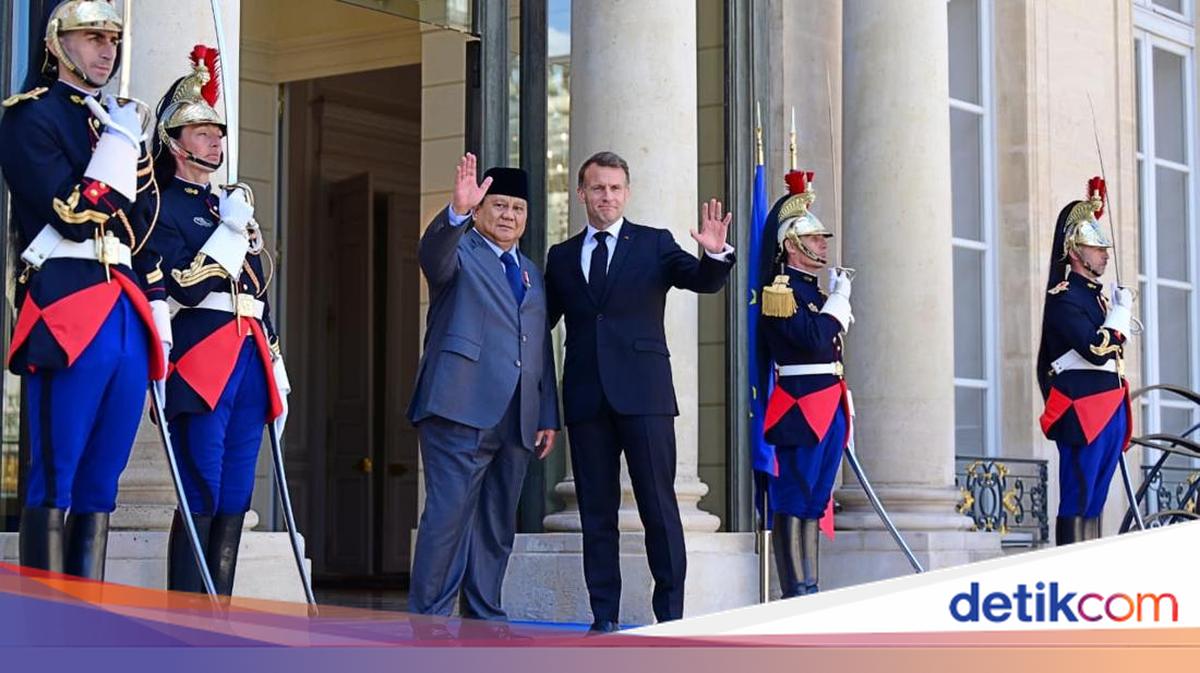
President Prabowo Subianto of Indonesia met with President Emmanuel Macron at the Élysée Palace in Paris on April 14, 2026, to solidify strategic partnerships. The discussions focused on defense procurement, energy security, and diplomatic alignment, marking a pivotal shift in Indonesia’s pursuit of advanced military modernization and energy independence.
This isn’t just a diplomatic courtesy or a photo opportunity with the French Guard of Honor. We see a calculated geopolitical pivot. By engaging deeply with France and subsequently scheduling meetings with Vladimir Putin in Russia, Indonesia is signaling a “multi-vector” foreign policy. Prabowo is effectively hedging his bets, refusing to be tethered to a single superpower while aggressively upgrading the Indonesian National Armed Forces (TNI).
The problem for Jakarta is a precarious balancing act. As Indonesia seeks high-tech Rafale fighter jets and naval assets from France, it must simultaneously manage its energy dependencies and diplomatic ties with Russia—a nation currently under heavy Western sanctions. This creates a volatile legal and financial environment for Indonesian state-owned enterprises and private contractors alike.
The Defense Equation: More Than Just Aircraft
The core of the Macron-Prabowo dialogue centers on the “Alutsista” (defense equipment) procurement. Indonesia has already committed to French aerospace technology, but the scale of this partnership is expanding into maritime security and intelligence sharing. France views Indonesia as the primary anchor for stability in the Indo-Pacific, while Indonesia views France as a sophisticated alternative to U.S. Military hardware.
Yet, integrating diverse military platforms from different nations creates a logistical nightmare. Maintaining a fleet that blends French, American, and potentially Russian technology requires an immense amount of specialized technical expertise and rigorous compliance with international trade laws. For the private firms supporting these government contracts, the risk of “dual-use” technology violations is high. Companies are increasingly relying on international trade law firms to navigate the complex export controls and ITAR-like regulations that accompany such high-stakes acquisitions.
“Indonesia is no longer content with being a passive consumer of defense technology. The shift toward France is a strategic move to gain autonomy, but the real challenge lies in the sustainment and local integration of these systems within the domestic industry.”
This strategic autonomy is a recurring theme in Prabowo’s administration. By diversifying suppliers, Indonesia reduces the risk of “diplomatic blackmail” where a single supplier can freeze parts or software updates over political disagreements.
The Energy Paradox: From Paris to Moscow
While the Paris meeting provided the diplomatic veneer, the subsequent moves toward Russia reveal the pragmatic urgency of Indonesia’s energy needs. Pertamina, Indonesia’s state energy company, has explicitly stated its capability to process crude oil from Russia, and Minister Bahlil has been actively negotiating refinery cooperation and oil supplies with Russian energy officials.
This creates a stark contrast. In Paris, Prabowo discusses democratic values and strategic partnership; in Moscow, he discusses the raw economics of discounted crude and refinery infrastructure. The “Information Gap” here is the potential for secondary sanctions. While Indonesia maintains a non-aligned status, the financial mechanisms used to pay for Russian oil can trigger scrutiny from the U.S. Treasury.
This volatility impacts local infrastructure projects. As Indonesia attempts to modernize its refineries to handle varying grades of crude, the need for specialized engineering and environmental auditing becomes paramount. Municipalities in refinery hubs like Cilacap or Balikpapan are seeing a surge in demand for industrial engineering consultants who can ensure that new infrastructure meets both international standards and local environmental laws.
To understand the scale of this energy pivot, consider the current landscape of global oil flows:
| Strategic Partner | Primary Objective | Risk Factor | Long-term Impact |
|---|---|---|---|
| France | High-tech Defense & Diplomacy | High Cost / Integration Complexity | Modernized TNI & EU Alignment |
| Russia | Crude Oil & Refinery Tech | International Sanctions / Geopolitical Friction | Energy Security & Lower Production Costs |
| USA | Security Architecture | Political Conditionality | Regional Stability / Intelligence Sharing |
Local Implications and Regional Anchoring
The ripple effects of these meetings are felt most acutely in Jakarta’s administrative corridors and the industrial zones of Java. The push for “local content” (TKDN) means that French and Russian technology must be partially absorbed by Indonesian firms. This is triggering a wave of joint ventures and technology transfer agreements.
In cities like Surabaya—the heart of Indonesia’s naval industry—this translates to a desperate need for workforce upskilling. The transition from legacy systems to French-spec naval architecture requires a new breed of technician. This has led to an increase in partnerships with vocational training centers and technical institutes to bridge the gap between current capabilities and the requirements of the new Alutsista contracts.
the diplomatic dance between the Élysée Palace and the Kremlin puts Indonesia’s financial sector in a spotlight. Banks handling these transactions must implement rigorous “Know Your Customer” (KYC) and Anti-Money Laundering (AML) protocols to avoid being cut off from the SWIFT system. This has made corporate compliance specialists indispensable for any Indonesian firm engaging in these cross-border energy trades.
“The ability to process Russian crude while maintaining a strategic partnership with France is a masterclass in non-alignment, but it places an immense burden on our regulatory frameworks to ensure we don’t trip over international sanctions.”
For more detailed insights on these diplomatic shifts, the Associated Press and U.S. Department of State provide critical context on the broader Indo-Pacific strategy and the implications of the French Presidency’s engagement with Southeast Asia.
Prabowo’s journey from Paris to Moscow is more than a travel itinerary; it is a blueprint for a new Indonesian era. By leveraging the prestige of the Élysée Palace and the resources of the Kremlin, Jakarta is attempting to carve out a space where it is no longer a pawn in the Great Power competition, but a player in its own right. However, the friction between these two worlds—the high-tech, regulated West and the resource-heavy, sanctioned East—will create significant operational hurdles for years to arrive.
As these geopolitical currents shift, the need for verified, expert guidance becomes the only way to mitigate risk. Whether it is navigating the legal minefields of international sanctions or sourcing the technical expertise to build next-generation infrastructure, the World Today News Directory remains the definitive resource for connecting decision-makers with the professionals equipped to handle the complexities of a changing world.
Keep reading
- Consumer Protection Commission fines three retail chains €95,000
- San Diego Housing Authority Meeting: Public Participation and Agenda Guide
- NATO Commander Alexus Grynkewich to Present Russia Defense Strategy (newsy-today.com)
- Saudi Arabia, Turkey and Pakistan Activate Joint Defense Pact Against Houthi Attacks (archyde.com)