
Premium Rice Vanishes Amid Fake Product Scare
Retailers Pull Shelves as Adulteration Fears Mount
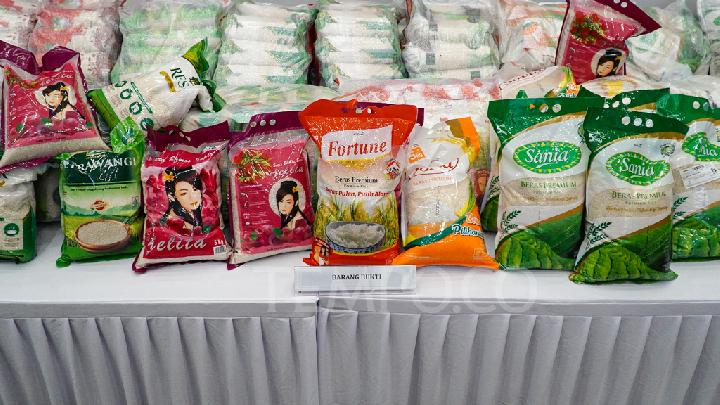
Consumers face dwindling supplies of premium rice in minimarkets as investigations into adulterated products intensify. Retailers have proactively removed popular brands from shelves, citing a need to protect customers from potentially compromised goods.
Widespread Recalls Hit Major Brands
Alfamart stores in East Jakarta reported completely empty shelves where 5kg bags of premium rice were typically displayed. An employee, who preferred to remain anonymous, confirmed that brands such as Sania, Topi Koki, Raja, and Food Station (FS) were recalled beginning July 23, 2025.
At another Alfamart location on Jalan Raya Pondok Gede, cashier Fahri explained the directive originated from management due to the unfolding fake rice incidents. He specifically noted that Sania rice was frequently affected.
The void left by the premium rice was filled with alternative goods like cooking oil and flour, alongside Alfamart’s own 2kg red rice. At an Indomaret in Kramat Jati, employee Zulfikar stated their warehouse had been depleted of premium rice for a week, with even 2.5kg Sania packages unavailable.
Traditional Markets Feel the Pinch
In traditional markets, sales have also seen a significant downturn. Jefri, a medium rice trader at Kramat Jati Market, reported his daily earnings dropped from Rp 3-4 million to approximately Rp 2 million. He acknowledged customer distrust, with some suspecting his rice to be counterfeit.
Jefri reassured patrons that his stall exclusively sells medium-grade rice, not premium varieties. He listed his offerings as BMW fragrant pandan (Rp 90,000/5kg), Tiga Jambu (Rp 80,000), and Jeruk Jeju (Rp 77,000).
Government Addresses Quality Discrepancies
The surge in adulterated rice cases occurs despite an increase in national rice production. Market prices remain unstable, and the Ministry of Agriculture has identified inconsistencies between labeled rice quality and actual product content.
Arief Prasetyo Adi, Head of the National Food Agency, warned that such fraudulent practices could cost consumers up to Rp 99 trillion annually. He stressed the imperative for rice sold to the public to accurately reflect its packaging’s quality and type.
“If the rice does not match the label, it’s considered fraud.”
—Arief Prasetyo Adi, Head of the National Food Agency
Globally, concerns over food fraud persist; for instance, a 2023 report by the Food Fraud Prevention Think Tank estimated the global economic impact of food fraud to be over $57 billion annually (Food Fraud Prevention Think Tank 2023).
