
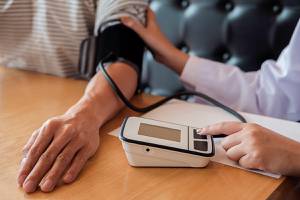
New Guidelines Classify 120/80 mmHg as Prehypertension, Raising Awareness of Heart Health
Brasília, DF – A recent shift in medical guidelines now classifies a blood pressure reading of 120/80 mmHg as prehypertension, a move designed to increase public awareness and encourage proactive health management. The change aims to alert individuals to a heightened risk of developing hypertension – commonly known as high blood pressure – a chronic condition that can severely impact vital organs.
According to established metrics, normal blood pressure falls between 90/60 mmHg and 120/80 mmHg. pressures exceeding 120/80 mmHg are now considered prehypertension, signaling a need for closer monitoring and preventative action.
“Increased blood pressure is often silent, and that’s a important problem,” explains Aurora Issa, Director of the National Institute of Cardiology. “People may not realize their pressure is creeping above 120/80, a level proven to protect the heart, brain, kidneys, eyes, and leg arteries. This reclassification is specifically intended to emphasize the importance of follow-up care.”
Issa stresses the importance of regular blood pressure checks thru Brazil’s Unified Health System (SUS) and adopting lifestyle modifications to manage blood pressure. These non-pharmacological measures include reducing salt intake and incorporating regular exercise into one’s routine.
Data from a 2023 telephone survey on risk factors and protection for chronic diseases reveals that high blood pressure affects approximately 27.9% of the brazilian population.
This updated classification serves as a crucial reminder for individuals to prioritize their cardiovascular health and take preventative steps to mitigate the risks associated with hypertension.
(Reported by Marina Dantas, under the supervision of Samara Sadeck, Radio Senado)
