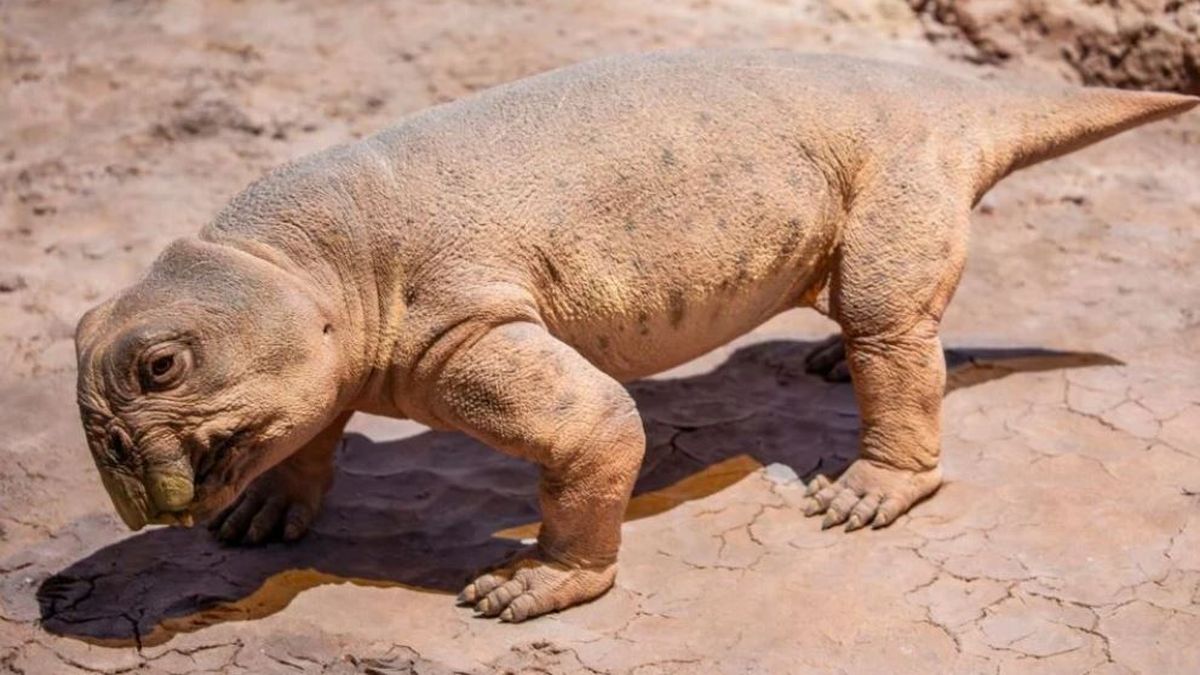
Prehistoric Animal Survived Earth Worst Mass Extinction Thanks to Its Eggs
A tiny prehistoric animal survived the Earth’s worst mass extinction event approximately 252 million years ago primarily due to the unique structural resilience of its eggs, according to scientific findings published by Diario UNO. The Permian-Triassic extinction wiped out roughly 90 percent of all marine species and 70 percent of terrestrial vertebrate species, but this small reptile lineage endured the planetary catastrophe by adapting its reproductive biology.
Paleontologists studying the fossil record found that the miniature amniotes possessed calcified or leathery eggshells capable of sealing in moisture while allowing crucial gas exchange in volatile, hyper-arid environments. According to Diario UNO, these specialized reproductive structures protected embryos from extreme thermal fluctuations and toxic atmospheric conditions that accompanied the massive volcanic eruptions in the Siberian Traps.
While larger contemporary species succumbed rapidly to shifting food webs and collapsing ecosystems, these compact survivors utilized their high surface-area-to-volume ratio and minimal dietary requirements to outlast the crisis. Research cited by Diario UNO indicates that their subterranean nesting habits further insulated the next generation from surface devastation, securing a biological foothold for the dawn of the Mesozoic era.