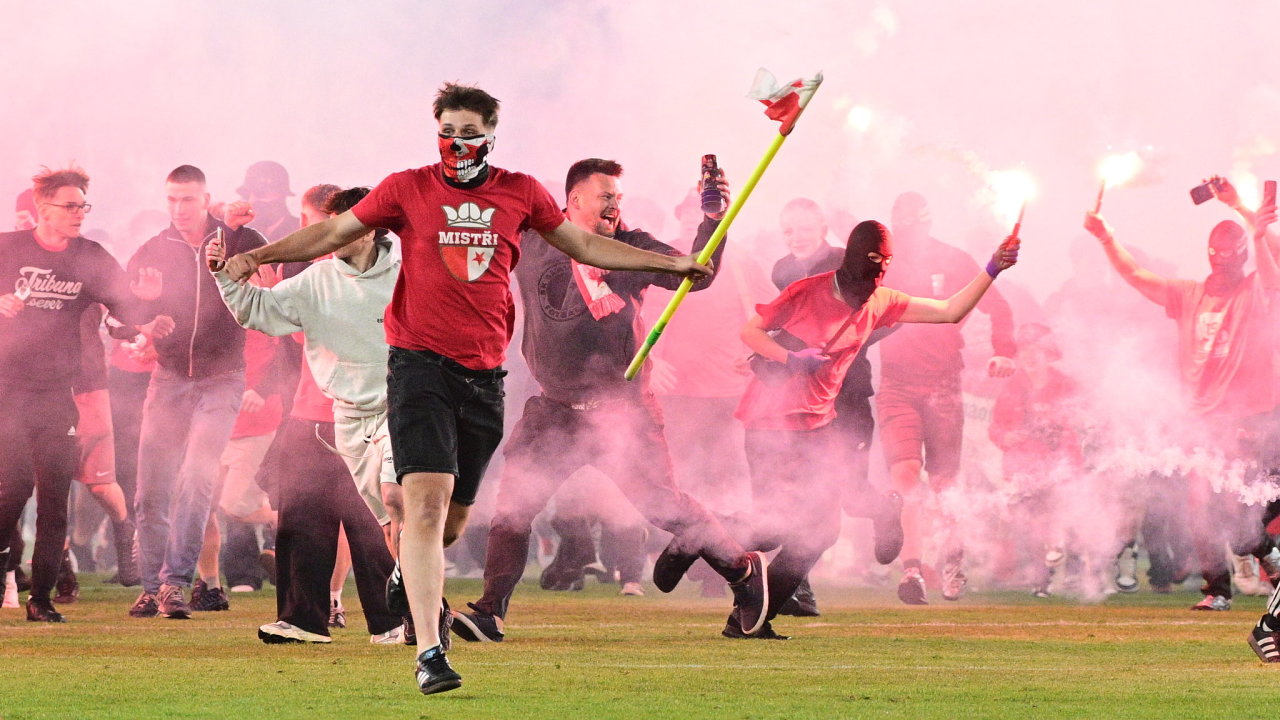
Prague Derby Scandal: Slavia Prague Faces Severe Sanctions
Slavia Prague faces severe disciplinary action, including substantial financial penalties and a potential stadium ban, following a violent derby clash. Club official Jaroslav Tvrdík has issued a formal apology as league sponsors and political figures condemn the unrest, which critics argue severely damages the professional image of Czech football.
The fallout from the derby transcends a simple disciplinary hearing; it is a full-scale operational crisis for the Slavia front office. When a club of this magnitude faces a stadium closure, the primary concern shifts from the pitch to the balance sheet. The loss of match-day revenue, coupled with the potential breach of hospitality contracts, creates a financial vacuum that can destabilize a season’s budget. This is no longer about a few rogue supporters; it is about the liability and risk management of a multi-million dollar sporting asset.
The Operational Cost of Stadium Sanctions
A stadium closure is the nuclear option for any sanctioning body. For Slavia, the prospect of “ghost games” or relocation removes the home-field advantage and eliminates the immediate cash flow from ticket sales, concessions, and VIP lounge premiums. From a logistical standpoint, the club must now evaluate the cost of relocating fixtures or managing a sterile environment, both of which spike operational overhead. The sudden need for heightened surveillance and crowd control measures suggests that the club will need to lean on regional event security and premium hospitality vendors to mitigate further volatility during future fixtures.
The tension is palpable within the league’s governing structures. With officials like Šťastný now spearheading an investigation into the events, the focus is on whether the club’s internal security protocols failed or were simply overwhelmed. In professional sports, this is often viewed as a failure of “load management” for security personnel—failing to anticipate the atmospheric pressure of a high-stakes derby.
“When stadium violence reaches this level, the conversation shifts from fan behavior to organizational negligence. The front office is essentially the guarantor of safety; if the perimeter is breached or the stands erupt, the liability rests squarely on the executive level.”
Financial Exposure and Regulatory Risk
The mention of “high fines” in the wake of the derby points to a significant hit to the club’s liquid capital. While Slavia is a powerhouse, repeated sanctions can lead to a “dead-cap” style effect on their operational budget, where funds earmarked for scouting or infrastructure are diverted to pay regulatory penalties. To navigate these waters, clubs typically engage specialized sports law firms to argue for mitigated penalties or to challenge the proportionality of the stadium ban.
The financial impact is not limited to the fine itself but extends to the club’s brand equity. The reaction from the league sponsor indicates that the commercial viability of the product is at risk. Sponsors pay for association with elite competition, not for headlines involving “disgusting” violence. If the brand becomes synonymous with instability, the club faces the risk of reduced sponsorship valuations during the next contract cycle.
| Impact Vector | Immediate Consequence | Long-term Strategic Risk |
|---|---|---|
| Financial | High disciplinary fines | Decreased sponsor valuation and ROI |
| Operational | Potential stadium closure | Loss of match-day revenue and VIP assets |
| Reputational | Political condemnation | Brand devaluation in the European market |
| Regulatory | Official league investigation | Stricter licensing and security mandates |
The Prestige Paradox: Ultras vs. The Boardroom
A particularly jarring aspect of this crisis is the disconnect between the club’s leadership and its most fervent supporters. A former member of the ultras has claimed that the violence was planned and motivated by “prestige” rather than loyalty to Slavia. This creates a toxic internal dynamic: the fans are playing a game of territorial dominance and street credibility, while the board is trying to maintain a corporate image suitable for global investment.

This conflict represents a fundamental failure in the club’s “fan engagement” periodization. When the culture of the stands evolves into a separate entity from the club’s goals, the result is often a breakdown in security. The political reaction—labeling the event a “shame” that sends the sport back twenty years—highlights the gap between the modern, sanitized era of sports business and the raw, volatile nature of traditional derby rivalries.
While the pros have elite security details and crisis management teams, the ripples of this violence often reach the grassroots level. Local youth programs and amateur clubs frequently see a spike in mirrored behavior following high-profile derby clashes. To counteract this, community leaders must ensure that young athletes have access to vetted sports psychologists and behavioral coaches to decouple competitive passion from physical aggression.
The Trajectory of Czech Football
Jaroslav Tvrdík’s apology is a necessary first step, but it does little to solve the systemic issue of violence in the stands. The current trajectory suggests that the league may move toward more draconian measures, such as biometric ticketing or stricter fan licensing, to protect the commercial interests of the sponsors. The “sleeping giant” of Czech football cannot wake up if it is bogged down by constant disciplinary hearings and stadium closures.
Slavia Prague is now at a crossroads. They must decide if they will continue to tolerate a “prestige” culture among their ultras or if they will implement a professionalized security apparatus that prioritizes the safety of the asset over the traditions of the terrace. The coming weeks of the investigation will determine whether the club can maintain its momentum or if it will be crippled by the financial and operational weight of its own volatility.
For those navigating the complex intersection of sports management, legal liability, and athlete wellness, the World Today News Directory remains the premier resource for finding vetted professionals in sports law, event security, and athletic rehabilitation to ensure that organizational growth is never sidelined by avoidable crisis.
Disclaimer: The insights provided in this article are for informational and entertainment purposes only and do not constitute medical advice or sports betting recommendations.