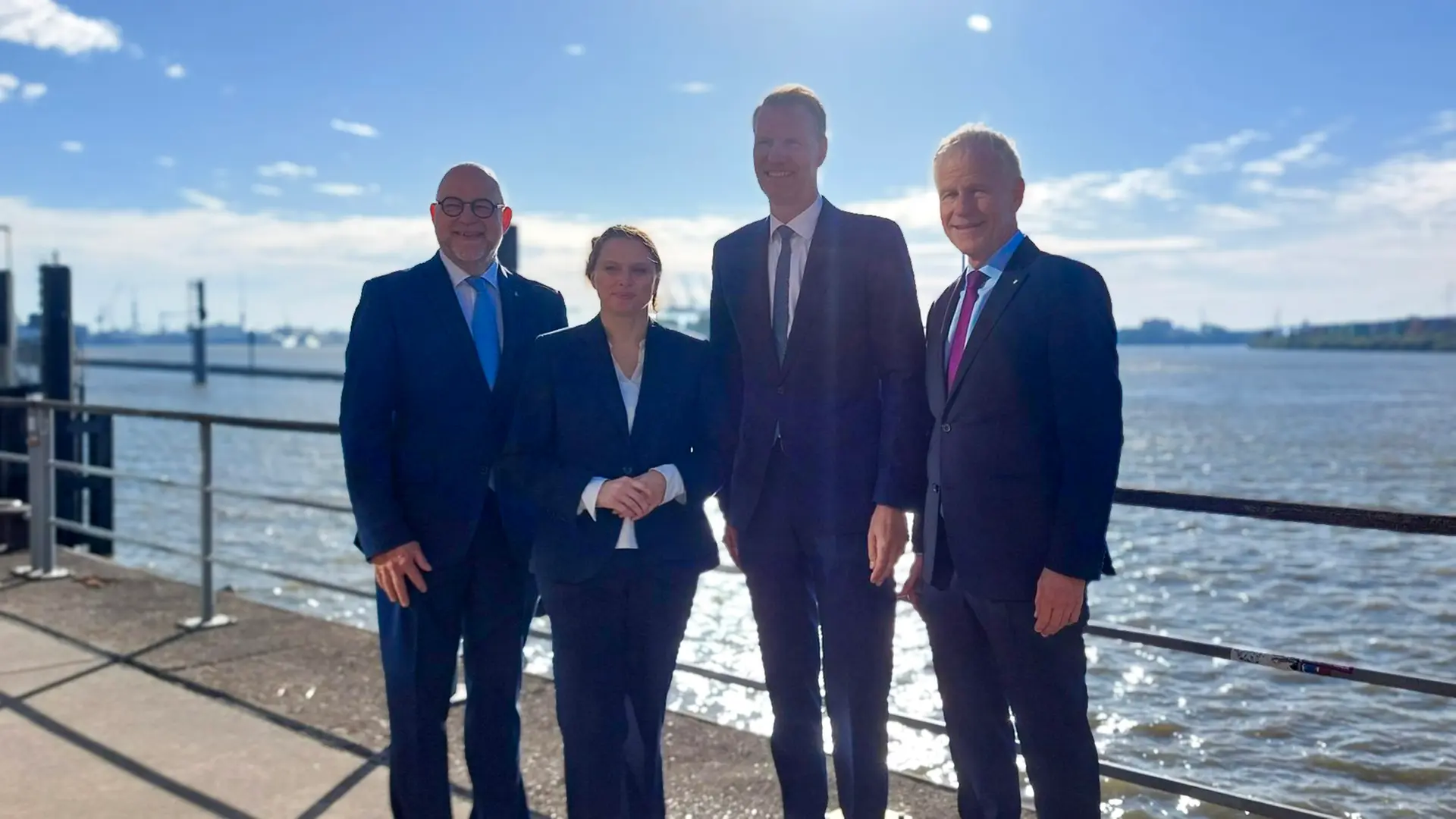
Port of Hamburg Discusses Automation and Energy Transition
Hamburger Hafen Faces Container Volume Losses and Terminal Automation Challenges in 2026
An unusually cold winter with ice conditions and ongoing terminal automation work at Waltershof and Altenwerder have cost the Port of Hamburg container volume, according to figures discussed during the annual “State of the Port” event hosted by the Hamburg economic authority, ndr.de reported on October 4, 2026.
The Tech TL;DR: Port Operations at a Glance
- Throughput Disruptions: Extreme winter weather featuring ice movement significantly impacted container handling figures across the harbor basins.
- Automation Bottlenecks: Active modernization and automated infrastructure rollouts at HHLA terminals in Waltershof and Altenwerder created temporary productivity drops.
Winter Weather and Terminal Automation Pressure Throughput Numbers
The Port of Hamburg recorded a difficult start to the operational cycle following an unusually cold winter characterized by ice floes that impeded vessel movement and container handling. Compounding these weather-related delays, the ongoing restructuring and automation of the Hamburger Hafen und Logistik AG (HHLA) terminals in Waltershof and Altenwerder introduced temporary productivity dips as legacy workflows transitioned to automated container-handling equipment.
Despite these friction points, Jens Meier, HPA-Chef and president of the International Association of Ports and Harbors (IAPH), expressed confidence in the port’s trajectory. Meier noted that Hamburg has established a benchmark for other global maritime hubs, particularly regarding decarbonization and climate protection initiatives.
MSC Engagement, Meyer Werft Speculation, and Regional Logistics
Amid operational shifts, Søren Toft, chief executive officer of the world’s largest shipping line, Mediterranean Shipping Company (MSC), addressed the company’s ongoing engagement with HHLA during the port conference. Toft also commented on industry speculation regarding a potential investment in Meyer Werft. Shipping analyst Jan Tiedemann of Alphaliner added perspective on the broader container shipping sector, noting that market consolidation continues to concentrate cargo volumes among a smaller number of major ocean carriers.

To maintain cargo flow from southern economic powerhouses, Axel Mattern of Hafen Hamburg Marketing emphasized the critical importance of the Hamburg trade gateway for industrial regions in Bavaria and Baden-Württemberg. Cargo transit must constantly overcome logistical hurdles such as inland waterway low-water levels on the Rhine and competitive pressures within Berlin logistics policy.
Hamburg Invests in Hydrogen Pipelines and Emergency Bridges
Hamburg’s Senator for Economic Affairs, Melanie Leonhard, outlined regional infrastructure investments centered around clean energy integration, including plans for a hydrogen pipeline network and dual-use logistical installations designed to support commercial and defense requirements. These developments run parallel to physical infrastructure interventions, such as the deployment of temporary emergency bridges at the Freihafenelbbrücke and Köhlbrandbrücke to maintain regional traffic flow.

To evaluate regional preparedness against physical and cyber disruptions, authorities highlighted the “Red Storm Charlie” crisis simulation exercise.
Industrial Shipyard Developments and Inland Transport Bottlenecks
The broader maritime ecosystem surrounding the port also involves major industrial contractors including Rheinmetall, ThyssenKrupp Marine Systems (TKMS), and Lürssen, whose shipyard capacities feed into specialized vessel manufacturing and maritime defense technology.