
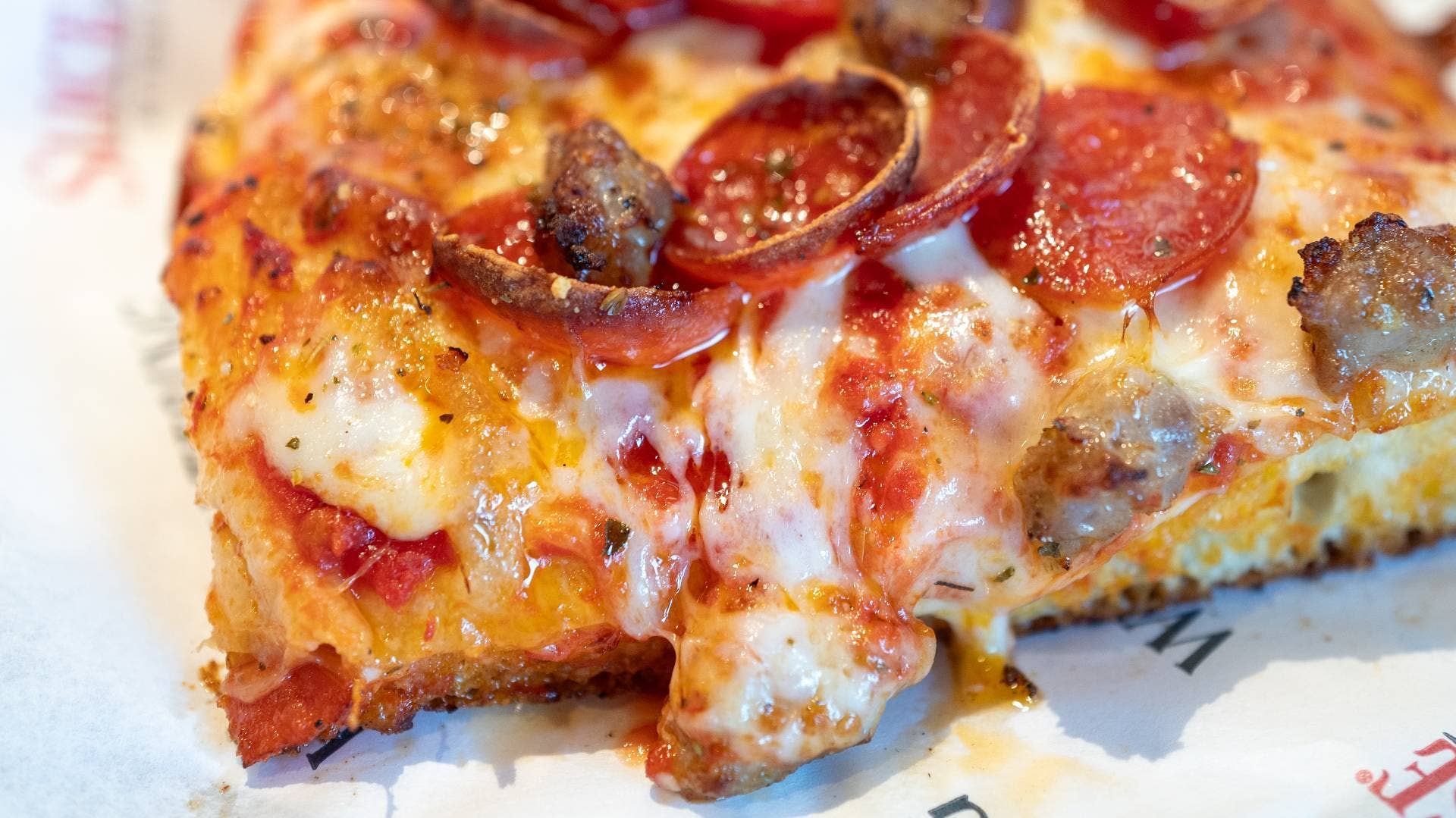
Popular Pizza Chain Cuts Ties With Uber Eats
The Breakdown: A major national pizza chain has severed its partnership with Uber Eats, signaling a strategic pivot to reclaim margin control. By bypassing third-party aggregators, the firm aims to reduce commission fees—typically hovering near 30%—and migrate customers to proprietary direct-to-consumer channels. This move underscores a broader industry correction where unit economics now outweigh top-line growth.
The era of subsidizing growth through third-party delivery platforms is officially over. For the last half-decade, quick-service restaurants (QSR) treated aggregator partnerships as a necessary evil to capture market share. That calculus has flipped. When a dominant player walks away from a channel generating billions in gross merchandise value (GMV), it isn’t a tantrum; it’s a balance sheet correction.
The specific catalyst here is the compression of EBITDA margins. Aggregators charge fees that can strip nearly a third of the revenue from a single order. For a low-margin business like pizza, where food costs and labor already consume 60% of revenue, paying a 30% toll to a tech intermediary is mathematically unsustainable for long-term profitability. The chain is effectively betting that the short-term volume dip from losing the Uber Eats interface is preferable to the structural bleed of high commission rates.
This isn’t just about saving a few percentage points on a pepperoni slice. It is a fundamental restructuring of the customer acquisition model. The industry is moving from a “rented audience” model to owned data ecosystems. By forcing users onto their own apps, chains regain control over customer data, marketing spend, and loyalty program integration—assets that third-party platforms notoriously silo.
The Unit Economics of Delivery: Aggregator vs. Proprietary
To understand the severity of the margin erosion, one must look at the cost structure of a standard $20 order. Under the aggregator model, the restaurant often sees only about $14 of that revenue after fees, before food and labor costs are even deducted. In contrast, a proprietary delivery stack, while requiring upfront capital expenditure in logistics technology, drastically lowers the variable cost per transaction over time.

| Metric | Third-Party Aggregator Model | Proprietary Direct-to-Consumer |
|---|---|---|
| Commission Fee | 25% – 30% | 0% (Platform owned) |
| Customer Data Access | Limited / Anonymized | Full Ownership (PII, Order History) |
| Marketing Leverage | Paid Placement within App | Direct Push Notifications / Email |
| Net Margin Impact | Severe Compression (Often <5%) | Stabilized (Target 15%+) |
The data supports this aggressive pivot. According to recent SEC filings from major QSR competitors, digital sales mix has stabilized, but the cost of digital sales has skyrocketed due to these external fees. The market is reacting positively to companies that demonstrate the discipline to cut off unprofitable revenue streams, even if it means a temporary headline revenue contraction.
Though, executing this transition requires more than just flipping a switch. It demands a robust logistical backbone. Chains cannot simply cancel Uber Eats and expect their internal drivers to handle the surge without sophisticated routing software and fleet management systems. This is where the operational burden shifts from the aggregator to the operator.
“We are seeing a decoupling of brand value from platform dependency. The winners in the next cycle will be those who own the last mile, not those who rent it.”
This sentiment was echoed by Marcus Thorne, a Senior Managing Director at a leading consumer equity firm, during a recent roundtable on retail disruption. “The valuation multiples for QSRs are being re-rated based on free cash flow, not just same-store sales growth,” Thorne noted. “If you are giving away 30% of your top line to a platform, you are essentially working for them, not your shareholders.”
The transition also exposes the chain to significant operational risk. Managing a proprietary fleet involves complex liability insurance, driver retention, and real-time logistics optimization. To mitigate these risks, sophisticated operators are increasingly turning to specialized logistics consultancy firms that can audit delivery networks and implement AI-driven routing solutions. These B2B partners are critical in ensuring that the cost savings from ditching aggregators aren’t immediately eaten up by inefficiencies in the internal delivery fleet.
the legal and contractual complexities of exiting these massive platform agreements cannot be overstated. These contracts often include exclusivity clauses and steep termination penalties. Navigating the exit requires precise legal maneuvering to avoid litigation that could derail the fiscal year. We are seeing a spike in engagement with corporate litigation and contract law specialists who focus on high-stakes commercial disputes in the tech-food sector.
The Strategic Pivot: From Volume to Value
The broader implication for the market is a consolidation of power. As chains pull back from open marketplaces, the “walled garden” approach becomes the standard. This forces smaller competitors, who lack the capital to build proprietary stacks, into a demanding position. They may become acquisition targets for larger entities looking to expand their footprint without the heavy lift of organic growth.
For mid-market food service companies watching this unfold, the lesson is clear: dependency is a liability. Building a resilient business model requires diversifying distribution channels and owning the customer relationship. Those who fail to adapt risk becoming mere fulfillment centers for tech giants, a role that offers little equity value in the long run.
As the fiscal quarters progress, expect to notice more volatility in the delivery sector. The initial drop in order volume for the pizza chain will be scrutinized by analysts, but the focus will quickly shift to margin expansion. If the proprietary model holds, we will see a cascade of similar announcements across the burger, chicken, and fast-casual segments.
The market rewards efficiency. It punishes dependency. By cutting the cord, this pizza chain has sent a signal to Wall Street that it prioritizes sustainable profitability over vanity metrics. For investors and industry operators alike, the roadmap is now visible: own the data, control the logistics, and protect the margin. Those unable to execute this triad internally should immediately seek partnerships with M&A and strategic advisory firms capable of restructuring their operational models before the next earnings call.