
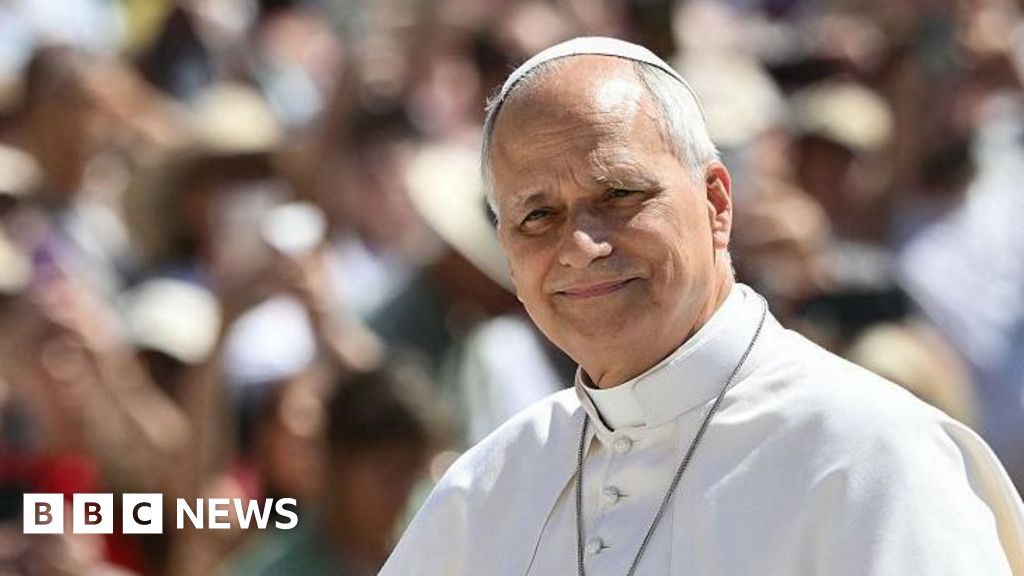
Pope’s Historic Apology: Vatican’s Role in Slavery and the Catholic Church’s Legacy
Pope Leo XIV’s Slavery Apology: A Turning Point for Ghana’s Reckoning with Colonial Legacy
On May 27, 2026, Pope Leo XIV issued a landmark apology for the Catholic Church’s role in legitimizing slavery, a historic acknowledgment welcomed by Ghana as it grapples with the long-term economic and social scars of colonialism. The apology—delivered during a high-profile visit—marks the first time a pope has directly tied the Vatican’s institutional authority to the transatlantic slave trade, forcing a reckoning with how faith, law, and commerce intertwined to shape modern Africa. Ghana, a nation where slavery’s legacy still haunts land disputes, labor rights, and cultural identity, now faces a pivotal moment: how to translate this apology into tangible reparations and systemic change.
The Apology’s Weight: What Leo XIV Said—and Why It Matters
The Vatican’s formal statement, released May 25, 2026, explicitly condemned the Holy See’s “complicity in the dehumanizing systems of slavery and the slave trade,” naming specific papal bulls and decrees that justified colonial exploitation. While the apology stops short of financial reparations—a demand Ghanaian leaders have repeatedly pressed for—it carries unprecedented moral weight. For Ghana, a country where an estimated 1.5 million people were forcibly taken as slaves, the gesture is both symbolic and a catalyst for hard conversations about justice.
“This apology is not just about the past. It is about the present—how we rebuild trust between Africa and Europe, and how we ensure that the institutions built on exploitation now work for the people they once oppressed.”
Ghana’s Response: From Symbolism to Action
Ghana’s government has framed the apology as a “necessary first step,” but officials emphasize that words alone will not heal centuries of trauma. The country’s Ministry of Chieftaincy and Religious Affairs is already coordinating with historians and legal experts to explore pathways for reparatory justice, including:

- Land restitution: Addressing disputes over ancestral lands seized during colonial rule, where traditional chiefs and modern land commissions are often at odds. Property law firms specializing in indigenous land rights are already fielding inquiries.
- Economic reparations: Advocacy groups are pushing for direct financial compensation, modeled after similar efforts in the Caribbean. Ghana’s Bank of Ghana is quietly assessing fiscal feasibility, though no concrete proposals have been tabled.
- Cultural reparations: Demands for the repatriation of artifacts looted during colonial times, including sacred objects held in European museums. Ghana’s National Museum is collaborating with international institutions to inventory claims.
The Economic Ripple Effect: How Slavery’s Legacy Still Shapes Ghana Today
Slavery’s economic footprint in Ghana is visible in stark disparities. The World Bank estimates that regions with the highest historical slave trade participation—such as the Central and Volta regions—today rank among the poorest in the country, with per capita GDP 30% lower than the national average. The apology’s timing coincides with a surge in Ghanaian diaspora investments, particularly in community development projects, as descendants of enslaved Africans seek to “give back.”
| Region | Historical Slave Trade Intensity (16th–19th Century) | Current GDP per Capita (2026 est.) | Key Economic Challenge |
|---|---|---|---|
| Central Region (e.g., Cape Coast) | High (major slave ports) | $1,200 | Tourism-dependent. heritage sites underfunded |
| Greater Accra | Moderate (administrative hub) | $2,100 | Urban inequality; housing shortages |
| Volta Region | High (interior slave raids) | $950 | Agricultural stagnation; youth unemployment |
Legal and Diplomatic Fallout: What’s Next for the Vatican and Africa?
The Vatican’s apology has reignited debates across Africa. While Ghana’s response is measured, countries like Nigeria and Angola—both with deep ties to the slave trade—are watching closely. Legal experts warn that without a clear framework for reparations, the apology risks becoming another “empty gesture.”
“The Church’s apology is a moral victory, but the real test is whether it leads to structural changes—like debt relief for African nations or truth commissions with real power. So far, we’ve seen more talk than action.”
Diplomatically, the Vatican faces pressure to align with the UN’s reparations working group, which has called for a global fund to address colonial harms. The Holy See’s next steps—including potential financial contributions or institutional reforms—will be scrutinized by African leaders and human rights organizations alike.
Where to Turn for Solutions: Directory Connections
The apology’s long-term impact hinges on local and international actors stepping forward. For Ghanaians navigating land disputes tied to colonial history, specialized mediation firms with expertise in indigenous property law are critical. Meanwhile, diaspora communities seeking to invest in reparatory projects may partner with certified community development organizations that ensure funds reach affected regions directly.

For those tracking the Vatican’s next moves, monitoring faith-based advocacy groups with ties to African churches will be essential. These organizations often serve as the bridge between moral declarations and on-the-ground change.
The Kicker: A Reckoning Without an End
Pope Leo XIV’s apology is not the end of Ghana’s reckoning with slavery—it is the beginning of a conversation that will define the next decade. The question now is whether this moment sparks a reckoning that extends beyond the Vatican’s walls. For Ghana, the real work begins now: turning historical acknowledgment into economic justice, legal reform, and a future where the scars of slavery are finally healed.
To find verified professionals and organizations equipped to navigate this complex landscape, explore legal experts in indigenous rights, reparations-focused NGOs, and community development specialists in our Global Directory.