Pope Warns Against Polarization & Identity Politics in Spain’s Rising Ultra Shift
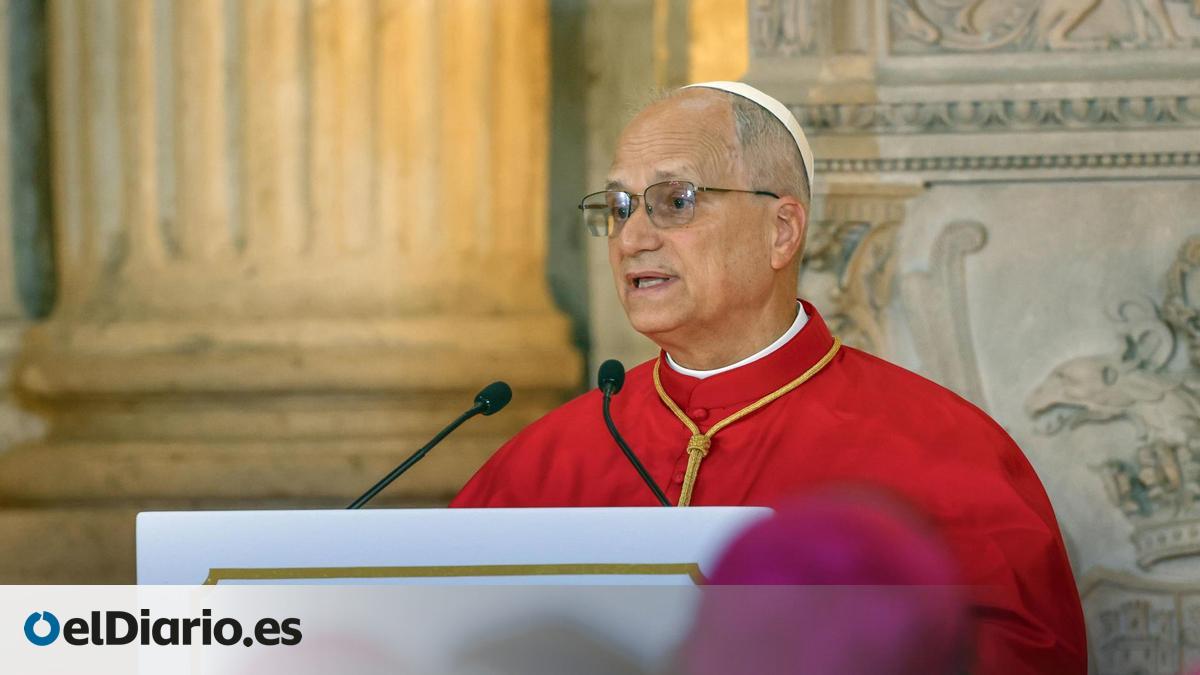
On June 6, 2026, Pope Leo XIV delivered a high-stakes address at Spain’s Palacio Real, condemning divisive identities and urging unity amid rising ultra-nationalism, while omitting direct references to Church abuse scandals that have shaped recent European discourse.
The Pope’s Call for Unity in a Polarized Spain
Pope Leo XIV’s speech, delivered to an audience including King Felipe VI and Spain’s political elite, framed the nation’s current “temptation of gaining popularity by fueling polarization” as a critical challenge. The address, which emphasized “the complexity of reality” over “simplifications,” resonated deeply in a country grappling with the rise of far-right movements like Vox and the resurgence of identity politics. “The world is filled with ghosts and enemies when we cling to divisive narratives,” the Pope warned, echoing concerns raised by European leaders about the erosion of social cohesion.

The speech’s absence of direct mention of Church abuse survivors—despite the Pope’s earlier remarks to journalists during his flight to Madrid—drew mixed reactions. King Felipe VI, however, acknowledged the “pain caused” by historical abuses, a rare public gesture of accountability from Spain’s monarchy. “Spain’s commitment to multilateralism and international law is a beacon for peace,” the Pope praised, linking the nation’s diplomatic stance to broader global stability.
Historical Context and Regional Implications
The Pope’s emphasis on interfaith dialogue and historical reconciliation drew parallels to Spain’s medieval legacy of coexistence, particularly the 13th-century School of Translators in Toledo. This historical reference underscored his call for “a new civilization of love,” a phrase echoing his 2025 encyclical Magnifica Humanitas. Such rhetoric may influence Spain’s ongoing debates over immigration policy and cultural integration, particularly in regions like Catalonia and the Basque Country, where tensions between autonomy and national identity remain acute.
Spain’s role as a bridge between Europe and the Global South also featured prominently. The Pope highlighted the nation’s “active commitment to solidarity,” a nod to its recent efforts in Mediterranean migration management. This aligns with Vatican initiatives like the Fratello Sole Foundation, established in 2026 to address climate and social justice, which could see increased collaboration with Spanish institutions.
Expert Analysis and Local Reactions
“The Pope’s speech is a strategic balance between moral authority and political sensitivity,” said Dr. Elena Martínez, a political scientist at the University of Madrid. “By avoiding Church scandals, he prioritizes unity over confrontation, but this may frustrate advocates for accountability.” Martínez noted that the address could bolster efforts by [Interfaith Dialogue Organizations] to mediate between Spain’s secular and religious communities.
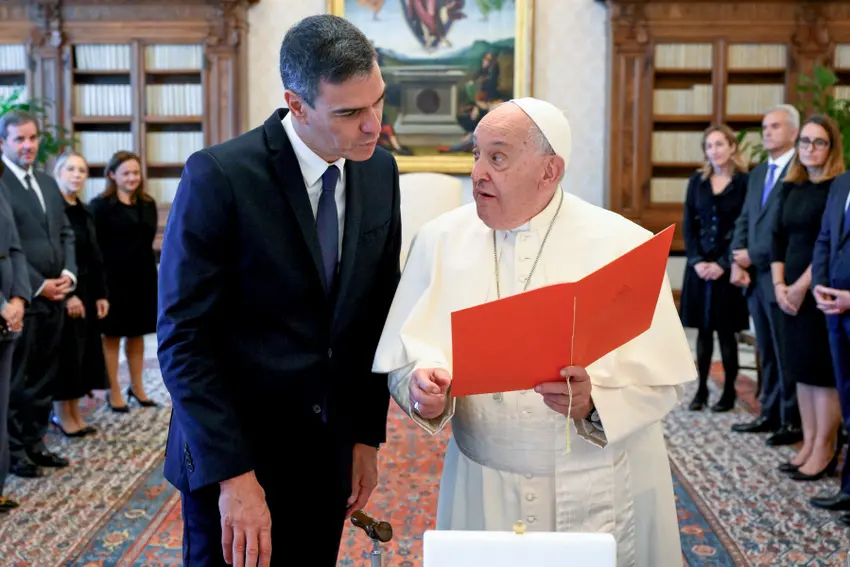
Legal experts also highlighted the speech’s implications for Spain’s constitutional framework. “The Pope’s emphasis on ‘the dignity of the person’ reinforces existing human rights protections, but it also pressures lawmakers to address systemic inequalities,” said Carlos Fernández, a constitutional lawyer. “This could accelerate