
.
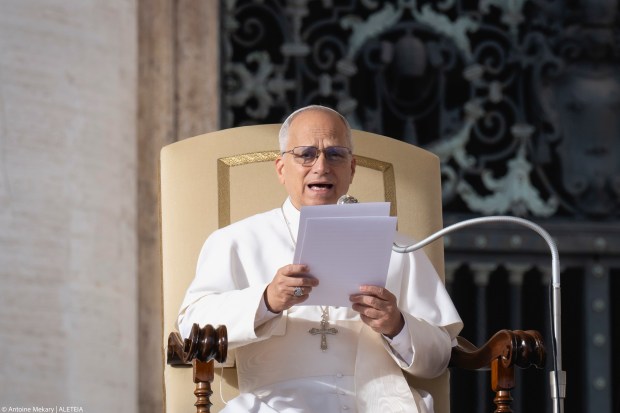
Teh Vatican is now at the center of a structural shift involving the articulation of hope and resource equity. The immediate implication is a renewed moral framing that could shape public discourse and policy debates on inequality.
The Strategic Context
The Catholic Church has historically leveraged holy years to galvanize global pilgrimages and reinforce doctrinal themes. The 2025 Jubilee, initiated by Pope Francis, coincides with heightened global attention to climate stress, supply‑chain disruptions, and widening wealth gaps. In a multipolar world where soft power increasingly competes with hard power,religious institutions remain potent channels for transnational value transmission. The closing of the Jubilee’s holy doors marks a symbolic transition from a period of intensified public engagement to a phase where the messaging must be sustained through institutional networks and local churches.
Core Analysis: Incentives & Constraints
Source signals: The Pope’s final Jubilee address emphasized that hope “does not die,” linked hope to the act of birth through Marian symbolism, and condemned the concentration of natural resources in the hands of a few who ignore the suffering of the earth and the poor. He also noted the procedural closure of holy doors across major basilicas and hinted at a possible extraordinary jubilee, while indicating the next scheduled jubilee for 2033.
WTN Interpretation: The Vatican’s emphasis on hope and resource equity serves multiple strategic purposes.First, it reinforces the Church’s moral authority on social justice, positioning it as a relevant voice amid secular debates on climate and inequality. Second, by invoking Marian imagery, the Pope taps into deep cultural reservoirs that resonate across diverse Catholic constituencies, thereby sustaining engagement beyond the jubilee’s formal timeline. Third, the critique of resource hoarding aligns the Vatican with broader global calls for sustainable stewardship, perhaps opening avenues for dialog with NGOs, intergovernmental bodies, and emerging economies seeking ethical legitimacy. Constraints include the Church’s limited direct policy influence, internal debates over the balance between spiritual messaging and political advocacy, and the risk of alienating affluent donors who constitute a significant portion of its financial base.
WTN Strategic Insight
“When a centuries‑old institution reframes hope as a call to equitable resource stewardship, it converts spiritual capital into a lever for soft‑power influence on global inequality debates.”
Future Outlook: Scenario Paths & Key Indicators
baseline Path: If the Vatican continues to integrate social‑justice themes into its liturgical calendar and maintains high‑visibility events, the Church’s moral framing will increasingly intersect with policy discussions on climate and wealth distribution, encouraging partnerships with civil‑society actors and modest shifts in public opinion within Catholic‑majority regions.
Risk Path: If internal dissent over political engagement intensifies or if the Vatican’s messaging is perceived as overtly partisan, the institution could face credibility erosion, prompting a retreat to purely spiritual narratives and diminishing its capacity to influence socio‑economic debates.
- Indicator 1: Statements or policy briefs issued by the Vatican’s Dicastery for Promoting Integral Human progress within the next three months, especially those referencing climate or resource equity.
- Indicator 2: Attendance and media coverage metrics for post‑Jubilee pilgrimages or regional Catholic conferences that adopt the “hope” narrative, tracked through Vatican communication channels.
