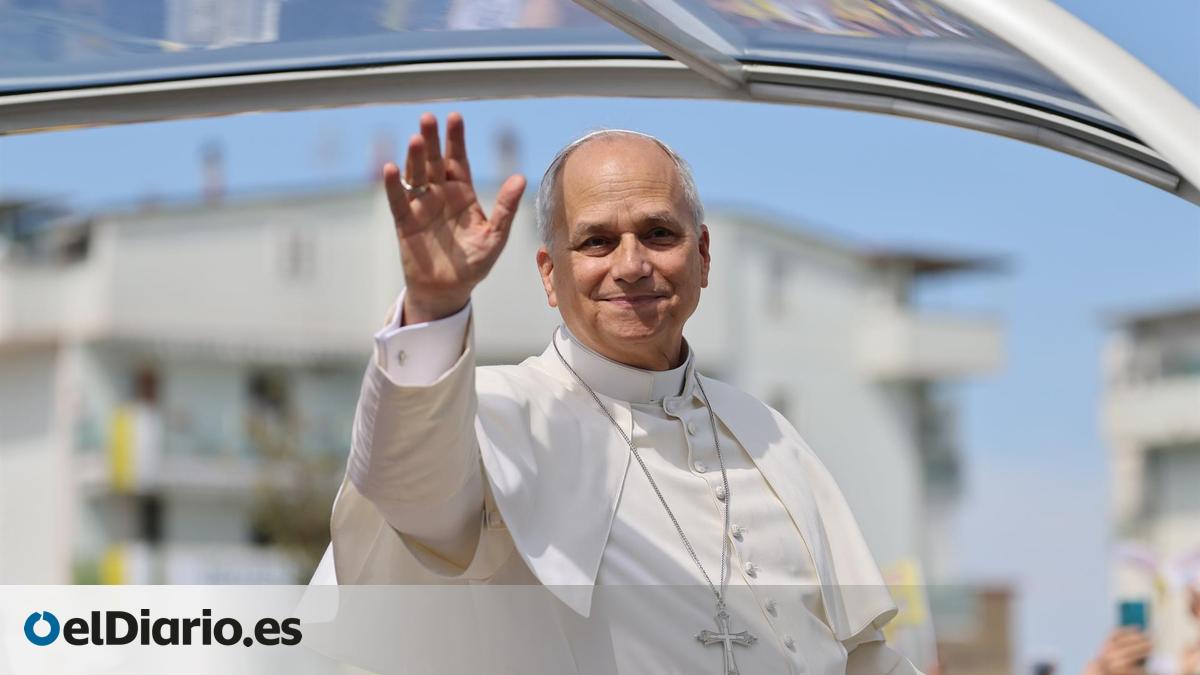
Pope Leo XIV Visit to Barcelona: Security and Traffic Details
From June 9 to June 11, 2026, Pope Leo XIV will undertake a historic visit to Catalonia, centering on the consecration of the Tower of Jesus Christ at the Sagrada Familia in Barcelona. The massive security operation includes 6,000 police officers, extensive traffic restrictions, and specialized mobility management protocols.
The arrival of the pontiff marks a significant logistical pivot for Barcelona. While the city is a seasoned host for international events, the sheer scale of this papal visit—coordinated across the Generalitat, the Barcelona City Council, and the Archdiocese—presents a rare confluence of high-stakes security, infrastructure management, and religious ceremony. As the city prepares to welcome the Pope, the intersection of public safety and urban mobility becomes the primary challenge for residents, businesses, and transit authorities.
A Logistical Blueprint for a Global Event
The security framework for the visit is not merely about presence; it is a complex architecture of eight distinct operational programs. These include intelligence gathering, cybersecurity for critical infrastructure, and the management of “security capsules”—the mobile cordons that will protect the Pope as he travels by popemobile through the Eixample district and toward the Abbey of Montserrat. The coordination center, based in Terrassa, will oversee the efforts of the Mossos d’Esquadra and the Guardia Urbana.

For those navigating the city, the disruptions are unavoidable. The Eixample district, particularly the area surrounding the Sagrada Familia, will be subject to progressive restrictions starting June 1. The closure of the Rosselló street corridor is the most significant localized impact, affecting traffic flow and public transit lines. Authorities have emphasized that while the city remains open, pre-planning is the only way to mitigate the inevitable friction caused by these essential security perimeters.
For businesses operating within these high-security zones, the impact on supply chains and logistics is immediate. Companies requiring consistent access to the Eixample or Ciutat Vella should be proactively engaging with Logistics and Courier Management Services to adjust delivery windows and avoid the restricted zones. Failure to account for the closure of streets such as Hospital or the plazas of Gardunya and Sant Agustí could result in significant operational delays.
Institutional Unity Amidst Complex Threats
The joint appearance of the Catalan ministers of Interior and Justice, alongside local city officials and the auxiliary bishop, was designed to signal a unified response to the logistical challenges. However, the subtext of their briefing was clear: this is an extraordinary event. The reliance on the Procicat plan—the regional civil protection framework—underscores the potential for rapid escalation in the event of emergencies.
“The magnitude of this operation is unprecedented, requiring a synthesis of public safety, civil protection, and logistical agility that tests the limits of our municipal capacity. We are balancing the sanctity of this historic occasion with the necessity of maintaining the heartbeat of a functioning city.“
This sentiment, echoed by regional leadership, highlights the tension between the ceremonial and the functional. For those tasked with managing large-scale assets or high-occupancy venues during these three days, the risks are not limited to traffic. The need for robust physical security and contingency planning is paramount. Organizations looking to navigate these restrictions or manage their own event security during this high-risk period should consult with Professional Risk Assessment and Security Consultancies to ensure full compliance with the newly established temporary regulations.
Urban Infrastructure and the Digital Shift
The city’s response to the mobility crisis relies heavily on public transit. TMB has committed to reinforcing the L1, L3, and L5 metro lines, while the FGC and Rodalies will see increased service. However, the digital infrastructure for the event is equally vital. The implementation of a digital platform for Montserrat access—limiting entry to accredited visitors and those with reserved transport—serves as a case study in modern crowd management.
This shift toward digital accreditation and pre-booked transit is a model that many private sector entities in the events industry are now adopting to manage peak demand. By centralizing access control, authorities have moved the “bottleneck” from the physical gate to the digital interface. Businesses seeking to implement similar high-security, high-volume access systems should look toward Systems Integration and Digital Access Control Providers to modernize their operations.
The Long-Term Legacy of the Visit
The consecration of the Tower of Jesus Christ serves as the symbolic anchor for the entire visit. Completed in March 2026, the tower stands 172.5 meters tall, representing the pinnacle of the Sagrada Familia’s architectural evolution. This event is not just a religious milestone; it is a moment of global visibility for Catalonia. Yet, the cost—estimated at 1.6 million euros and funded through the tourism tax—will be subject to audit, ensuring that the legacy of this visit remains transparent.

As Barcelona looks toward the post-visit period, the focus will shift from security to the long-term economic implications of this global attention. The city has demonstrated its ability to host complex, multi-site events, but the strain on public resources serves as a reminder of the fragility of urban logistics. Whether you are a local stakeholder or a regional entity, the lessons learned from the June 2026 papal visit will likely inform municipal policy for years to come.
History is being written in the streets of Barcelona, but for the average citizen, the immediate reality is one of adaptation. As the countdown continues, those who prioritize preparation—securing necessary permits, adjusting transport schedules, and leveraging professional logistical support—will ensure that their personal and business interests remain resilient in the face of this historic, if complicated, celebration.