
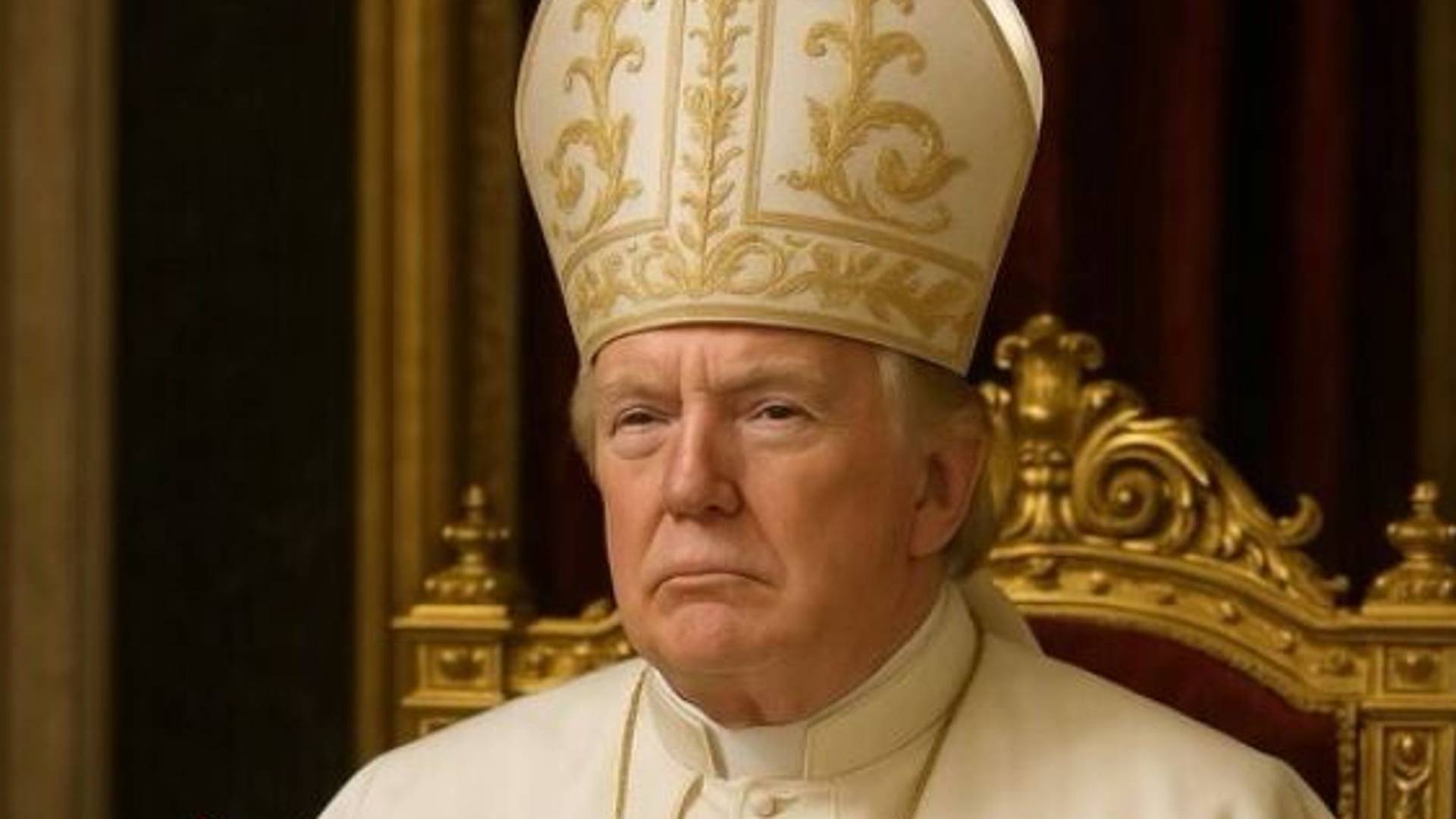
Pope Leo XIV Calls Trump’s Threats Against Iran ‘Unacceptable’
Pope Leo XIV, the first U.S.-born pontiff, denounced U.S. President Donald Trump’s threat to destroy Iranian civilization as “truly unacceptable” on April 7, 2026. Speaking from the Vatican, the Pope asserted that targeting civilian infrastructure violates international law and urged an immediate finish to the ongoing conflict in Iran.
This is more than a diplomatic disagreement. It is a fundamental clash between the highest moral authority of the Catholic Church and the leader of the world’s most powerful military. When a Pope speaks of “civilization” rather than “government” or “military assets,” the stakes shift from tactical warfare to cultural erasure. The tension here is palpable: a U.S.-born Pope is now the primary moral adversary to a U.S. President’s strategy in the Middle East.
The fallout from such rhetoric creates a volatile environment for global stability. As the rhetoric escalates, the legal implications of “destroying a civilization” move into the realm of war crimes. For those operating in the region or managing international assets, the unpredictability of this conflict necessitates the guidance of international law specialists to navigate the shifting boundaries of legal warfare and civilian protection.
The Moral Line in the Sand
On Tuesday, Pope Leo XIV did not mince words. In a statement translated from Italian, he labeled President Trump’s threats against the people of Iran as “truly unacceptable.” The Pope’s focus was not merely on the political leadership of Iran, but on the “entire people” and the very existence of their civilization.
The distinction is critical.
By framing the threat as an attack on a civilization, the Pope is highlighting the difference between strategic military strikes and the systemic destruction of a people’s history, culture, and civilian existence. He explicitly noted that any attacks on civilian infrastructure are a direct violation of international law. This puts the U.S. Administration in a precarious position, as it balances “strategic objectives” against the global standard of human rights.
“This threat against the entire people of Iran is truly unacceptable.” — Pope Leo XIV
This condemnation follows a pattern of increasing urgency from the Vatican. The Pope has transitioned from general calls for peace to direct, targeted critiques of the U.S. President’s rhetoric. This shift suggests that the Vatican views the current trajectory of the Iran war not as a political necessity, but as a moral catastrophe.
A Timeline of Escalation
The current friction is the result of a rapidly deteriorating diplomatic landscape. To understand the gravity of the April 7 statement, one must look at the events leading up to it. The Pope’s rhetoric has grown progressively sharper over the last week.
- Late March: The Pope criticized world leaders over the ongoing conflict, describing the Iran war as “atrocious” and stating that leaders who initiate such wars have “hands full of blood.”
- March 31: During a press briefing in Castel Gandolfo, Pope Leo XIV directly appealed to Donald Trump to uncover an “off-ramp” to decrease bombing and violence, emphasizing the need to remove the hatred increasing in the Middle East.
- Early April: President Trump addressed the nation in a televised speech, claiming that “core strategic objectives are nearing completion,” signaling a commitment to his current military course despite the Vatican’s pleas.
- April 7: The Pope reacts to the latest threats regarding the destruction of Iranian civilization, calling the stance “truly unacceptable.”
The disconnect is stark. While the White House speaks in terms of “strategic objectives” and “completion,” the Vatican speaks in terms of “civilization” and “international law.” This gap in language reflects a gap in priorities: military victory versus human preservation.
For businesses and NGOs operating within these geopolitical fault lines, this unpredictability creates an immense operational risk. Many are now turning to geopolitical risk consultants to assess the likelihood of wider regional escalation and to protect their personnel and infrastructure from the “bombing” the Pope warned against.
The ‘Off-Ramp’ and the Path to Dialogue
Pope Leo XIV has repeatedly urged world leaders to “come back to the table.” His call for an “off-ramp” is a plea for a face-saving exit strategy that allows the U.S. To achieve security without resorting to the total destruction of Iranian society. He argues that reducing violence is the only way to stop the cycle of hatred that is currently fueling the conflict.

The Pope’s appeal is particularly poignant given the timing. His calls for peace coincided with the Easter holiday, a period traditionally associated with renewal and redemption. By contrasting the “blood” on the hands of leaders with the message of Easter, the Pope is attempting to leverage spiritual pressure on a President who often views the world through the lens of strength and dominance.
However, the reality on the ground remains grim. The mention of “civilian infrastructure” suggests that the conflict has already moved beyond purely military targets. When hospitals, power grids, and water systems become targets, the result is a humanitarian crisis that requires immediate intervention from crisis management organizations to prevent mass casualties and systemic collapse.
The Geopolitical Weight of a U.S.-Born Pontiff
There is a unique irony in this confrontation. Pope Leo XIV is the first U.S.-born pontiff. This gives his criticism a different weight than that of a European Pope. He is not an outsider criticizing American foreign policy; he is an American citizen who has ascended to the highest moral office in the world.
His voice carries a specific kind of authority. He understands the American political psyche, yet he is bound by the universal mandate of the Church to protect the vulnerable. When he calls the U.S. President’s threats “unacceptable,” he is speaking both as a global leader and as someone who knows the internal dynamics of the country he is criticizing.
This dynamic adds a layer of complexity to the AP News reports on the Vatican’s stance. It is no longer just a religious plea; it is a high-level diplomatic intervention aimed at preventing a war crime on a civilizational scale.
As reported by Axios and Yahoo News, the world is watching to spot if the “off-ramp” will be taken or if the path toward destruction will be followed to its conclusion.
The warning from the Vatican is clear: the destruction of a civilization is not a strategic objective; it is a violation of the most basic tenets of international law and human morality. Whether the White House heeds this warning or continues its pursuit of “completion” will determine the fate of millions of civilians. In an era where the line between military necessity and cultural erasure is becoming dangerously blurred, the need for verified, expert guidance has never been more critical. Those seeking to navigate the legal, humanitarian, or strategic fallout of this crisis can find a network of vetted professionals through the World Today News Directory.