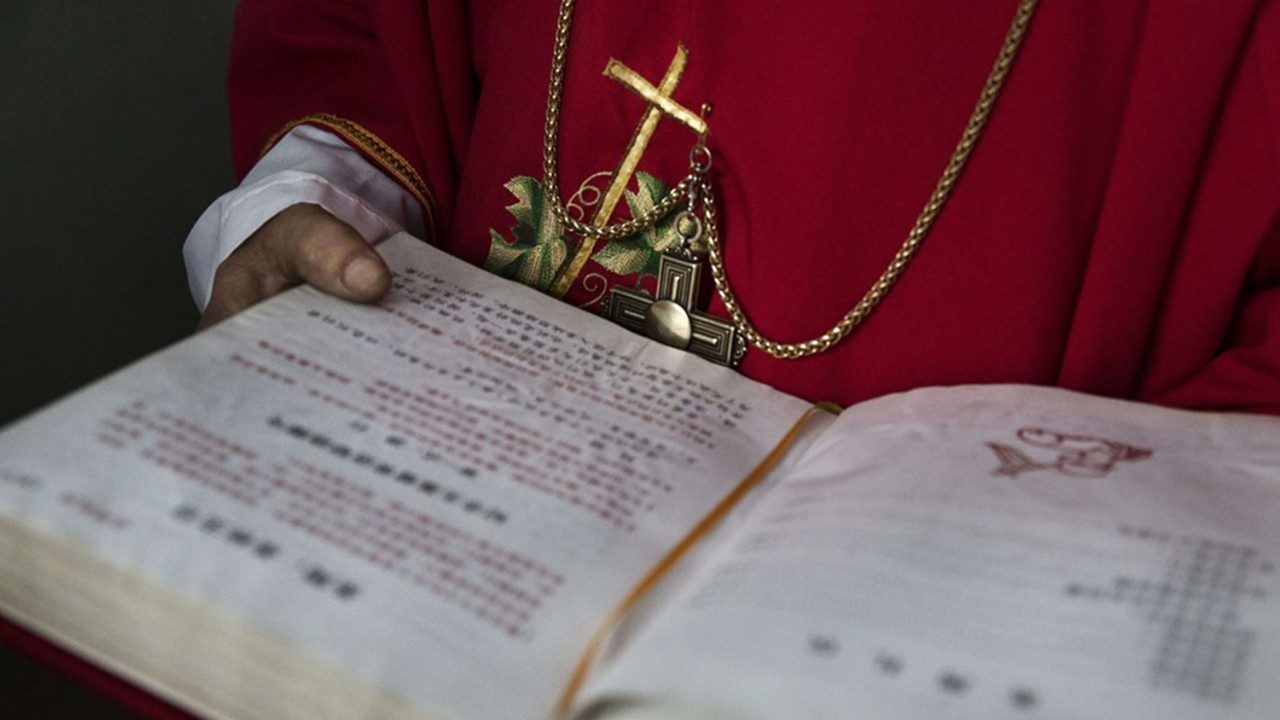
Pope Appoints Chang Yanfeng as Bishop of Chifeng
Pope Francis appointed Chang Yanfeng on June 15, his candidacy having been approved within the framework of the provisional agreement between the Holy See and the People’s Republic of China, according to Vatican News. The appointment marks a formalization of leadership for the diocese where Chang has served as administrator since 2021.
This appointment represents more than a simple personnel change. It is a high-stakes test of the 2018 provisional agreement, a fragile diplomatic bridge designed to unify the state-sanctioned Catholic Patriotic Association and the underground church loyal to Rome. For the faithful in Chifeng, the move provides a legitimate shepherd, but for diplomats, it is a data point in the ongoing struggle to balance religious freedom with state sovereignty.
The Provisional Agreement and the Chifeng Appointment
The appointment of Chang Yanfeng follows a specific, contentious protocol. Under the provisional agreement, the Chinese government proposes candidates for bishops, and the Pope decides whether to approve them. This mechanism aims to end the “dual-church” schism that has plagued Chinese Catholicism for decades.
Chang is not a newcomer to the region. He has held multiple roles within the Chifeng diocese and stepped into the role of administrator in 2021. By formally elevating him, the Vatican signals its willingness to recognize leaders who are acceptable to Beijing, provided they maintain communion with the Pope.
The Chifeng diocese, located in Inner Mongolia, operates within a complex jurisdictional environment. Because the region blends diverse ethnic groups and strict administrative oversight, the legal status of church properties and the movement of clergy often require precise navigation of local regulations. Organizations specializing in [International Human Rights Law] often monitor these appointments to ensure they align with international treaties on religious liberty.
Historical Context of Catholic-State Relations in China
To understand why the June 15 appointment matters, one must look at the 2018 agreement. Before this pact, the Vatican and Beijing frequently clashed over the appointment of bishops. The “underground” church viewed state-appointed bishops as puppets of the Communist Party, while the state viewed Vatican-appointed bishops as foreign agents.
According to the Vatican News portal, the goal of the current framework is to ensure that all bishops are recognized by both the Pope and the Chinese government. However, the agreement remains “provisional,” meaning it is renewed periodically and lacks a public, final text, leading to criticism from some Catholic factions who argue the Vatican has conceded too much to Beijing.
The tension often manifests in the management of church assets. When a new bishop is installed, the transfer of diocesan properties and the legal registration of parishes become immediate priorities. In regions like Inner Mongolia, this often involves coordinating with municipal bureaus to ensure that religious activities do not conflict with local land-use laws. This is where [Administrative Law Specialists] become essential for diocesan administrations to prevent the seizure of church lands.
Regional Impact in Inner Mongolia
Chifeng is a strategic location. As a hub in the Inner Mongolia Autonomous Region, the diocese serves a population that is often under closer scrutiny than those in coastal provinces. The formalization of Chang’s role provides a layer of institutional stability that was missing during his tenure as administrator.
Stability in the church hierarchy often leads to increased social cohesion. When a leader is recognized by both the state and the global church, it reduces the risk of police interventions during liturgical celebrations. This stability allows the diocese to focus on community services, such as education and charity, which are often the only legal avenues for the church to interact with the broader public.
However, the “bridge” provided by the provisional agreement is narrow. Any deviation from state-mandated guidelines can lead to the immediate revocation of a bishop’s ability to operate. For the international community, the appointment of Chang is a sign that the “modus vivendi” is functioning, even if the underlying ideological conflict remains unresolved.
Comparison of Church Governance Models
The Chifeng appointment highlights the contrast between the traditional Vatican appointment process and the current Chinese model.
| Feature | Traditional Vatican Process | China Provisional Agreement |
|---|---|---|
| Candidate Selection | Nuncio/Pope identify candidates | Chinese government proposes candidates |
| Final Approval | Pope appoints directly | Pope approves/rejects government choice |
| Legal Status | Canon Law priority | Dual recognition (State & Canon Law) |
| Risk Factor | State persecution/arrest | Potential loss of papal communion |
This hybrid model attempts to solve the problem of “illegal” bishops, but it creates a new problem: the perception of a “managed” faith. For those operating within this system, the priority is survival and the continued existence of the sacraments.
Long-term Implications for Global Diplomacy
The appointment of Chang Yanfeng is a signal to other dioceses in China. It demonstrates that the path to legitimacy now runs through the provisional agreement. As more vacancies are filled using this method, the “underground” church may either be absorbed into the official structure or find itself further marginalized.
The Holy See is playing a long game. By accepting government-proposed candidates, the Vatican maintains a presence in the world’s most populous nation, preventing a total rupture that would leave millions of Catholics without a recognized leader. This diplomatic tightrope requires constant communication and a high tolerance for ambiguity.

For those analyzing the intersection of faith and geopolitics, these developments often trigger a need for [Diplomatic Consulting Services] to help international NGOs and religious orders understand the shifting boundaries of what is permissible within the PRC.
The appointment of Chang is a victory for stability, but it is a fragile one. Whether this model can survive a shift in Beijing’s domestic policy or a change in the papacy remains the central question for the future of the Church in Asia. For those seeking to navigate the complex legal and social realities of these regions, the World Today News Directory remains the primary resource for connecting with verified professionals who understand the ground-level mechanics of international diplomacy and religious law.