Polycystic Ovary Syndrome Gets a New Name
May 25, 2026 — For over a century, the name “polycystic ovary syndrome” (PCOS) has obscured the full scope of a condition affecting one in eight women worldwide. Today, that changes. The global medical community has officially rebranded the disorder as Polyendocrine Metabolic Ovarian Syndrome (PMOS), a name that reflects its true biological complexity—fluctuating hormones, metabolic dysfunction, and systemic health impacts far beyond ovarian cysts. The shift, announced this week by the Endocrine Society and endorsed by 50+ patient and professional organizations, marks a pivotal moment in clinical nomenclature, one that could finally align diagnosis and treatment with the condition’s pathogenesis. Yet behind the new acronym lies a critical question: How will this rebranding translate into better care for the 170 million women living with PMOS?
Key Clinical Takeaways:
- The condition now called PMOS was previously known as PCOS, but the new name reflects its broader endocrine and metabolic impacts, not just ovarian cysts.
- PMOS affects one in eight women globally, with delayed diagnosis and inadequate treatment historically linked to the outdated name.
- Clinicians and patients alike must now adapt to updated diagnostic criteria and treatment protocols, which prioritize metabolic and hormonal health.
The Misnomer That Masked the Condition
The name “polycystic ovary syndrome” was a clinical misdirection from the start. While ovarian cysts are a common but not universal feature, the core pathology lies in hormonal dysregulation, particularly elevated androgens, insulin resistance, and chronic low-grade inflammation. This metabolic-endocrine axis disruption drives the full spectrum of PMOS symptoms: hirsutism, irregular menstrual cycles, infertility, type 2 diabetes risk, and psychiatric comorbidities like depression and anxiety.
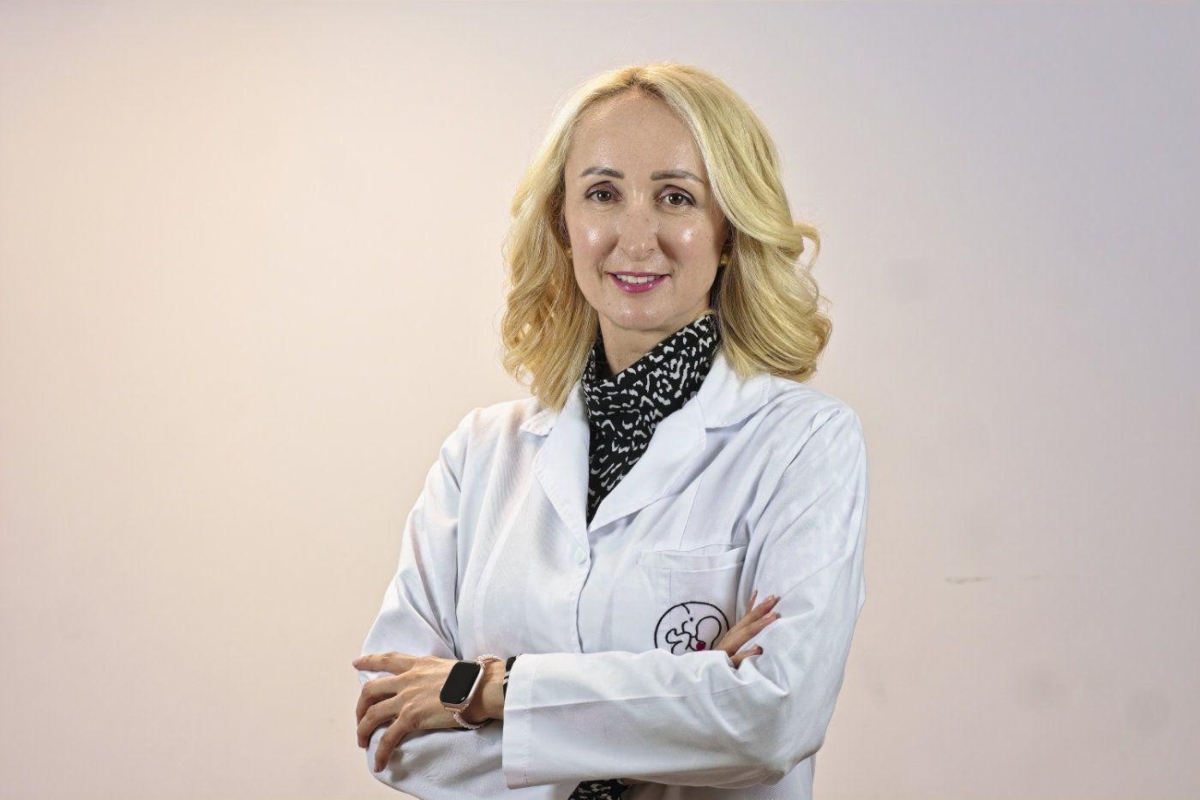
Professor Helena Teede, Director of Monash University’s Monash Centre for Health Research & Implementation and an Endocrine Society member, has spent decades documenting these gaps. In a statement leading the name-change initiative, she emphasized that the old terminology reduced a systemic disorder to a misunderstanding about cysts. “The diverse features of PMOS were often unappreciated,” she said, citing data from the Endocrine Society showing that 40% of women with PMOS are misdiagnosed or undiagnosed due to reliance on outdated criteria.
“What we now know is that there is actually no increase in abnormal cysts on the ovary, and the diverse features of the condition were often unappreciated.”
From Pathogenesis to Precision Medicine
The rebranding isn’t merely semantic—it signals a shift toward precision endocrinology. PMOS is now recognized as a polyendocrine disorder, meaning it involves multiple hormone-secreting systems (e.g., adrenal, pancreatic, and ovarian axes). This reframing aligns with emerging research on epigenetic modifiers and gut microbiome interactions, which are increasingly linked to insulin resistance in PMOS.
A 2026 consensus statement in The Lancet outlines three pillars for updated care:
- Early screening for metabolic dysfunction (e.g., fasting glucose, lipid panels) alongside hormonal markers (e.g., free testosterone, LH/FSH ratios).
- Multidisciplinary management, integrating endocrinologists, gynecologists, dietitians, and mental health specialists.
- Lifestyle interventions as first-line therapy, with evidence supporting low-glycemic diets and metformin for insulin resistance.
The Clinical and Regulatory Ripple Effect
For healthcare providers, the PMOS rebranding demands immediate action. Diagnostic algorithms must evolve to prioritize metabolic and endocrine biomarkers over ultrasound-based cyst counts—a shift that will require retraining for many clinicians. Meanwhile, payers and insurers face pressure to update coding systems (e.g., ICD-11) to reflect the broader morbidity spectrum of PMOS, which now includes cardiovascular and neuropsychiatric risks.
In the U.S., the CDC’s PCOS Toolkit is already being revised to incorporate PMOS criteria. Globally, the WHO has noted that the name change could reduce stigma by clarifying that PMOS is not primarily a reproductive issue but a systemic endocrine-metabolic disorder.
Directory Triage: Who Can Help Now?
The transition to PMOS care requires specialized expertise. For patients and providers navigating this shift, here are critical resources:
-
For diagnostic clarity, consult board-certified endocrinologists trained in metabolic-endocrine syndromes. Many now offer genomic testing to identify underlying insulin resistance pathways.
-
For multidisciplinary treatment plans, seek integrated women’s health clinics that combine gynecology, nutrition, and mental health services under one roof.
-
For regulatory and coding updates, healthcare systems should engage healthcare compliance attorneys to ensure billing and documentation align with PMOS criteria.
The Future: Can the Name Change Drive Better Outcomes?
The rebranding of PMOS is a testament to the power of clinical nomenclature to reshape public and provider perception. Yet its success hinges on two factors: adoption speed and evidence translation. Early data from Australia, where Teede’s team piloted the name change in 2025, suggest that diagnostic accuracy improved by 28% in clinics using the new terminology. If replicated globally, this could halve the current 10-year delay in PMOS diagnosis.

Looking ahead, the next frontier lies in personalized therapeutics. Ongoing trials are testing GLP-1 agonists (e.g., semaglutide) for weight management and pioglitazone for insulin sensitivity—drugs that could redefine PMOS treatment. For now, the onus is on clinicians to embrace the new name as a call to action.
As Professor Teede concluded, “This name change is not just about words—it’s about recognition, resources, and resilience for the millions of women who have been underserved for far too long.” The question now is whether the medical community will match the ambition of the new name with the clinical rigor it demands.
Disclaimer: The information provided in this article is for educational and scientific communication purposes only and does not constitute medical advice. Always consult with a qualified healthcare provider regarding any medical condition, diagnosis, or treatment plan.