Poland AI Report Scandal: PiS Notifies Prosecutors and CBA
The Genesis of the Controversy Over the Sociological Study
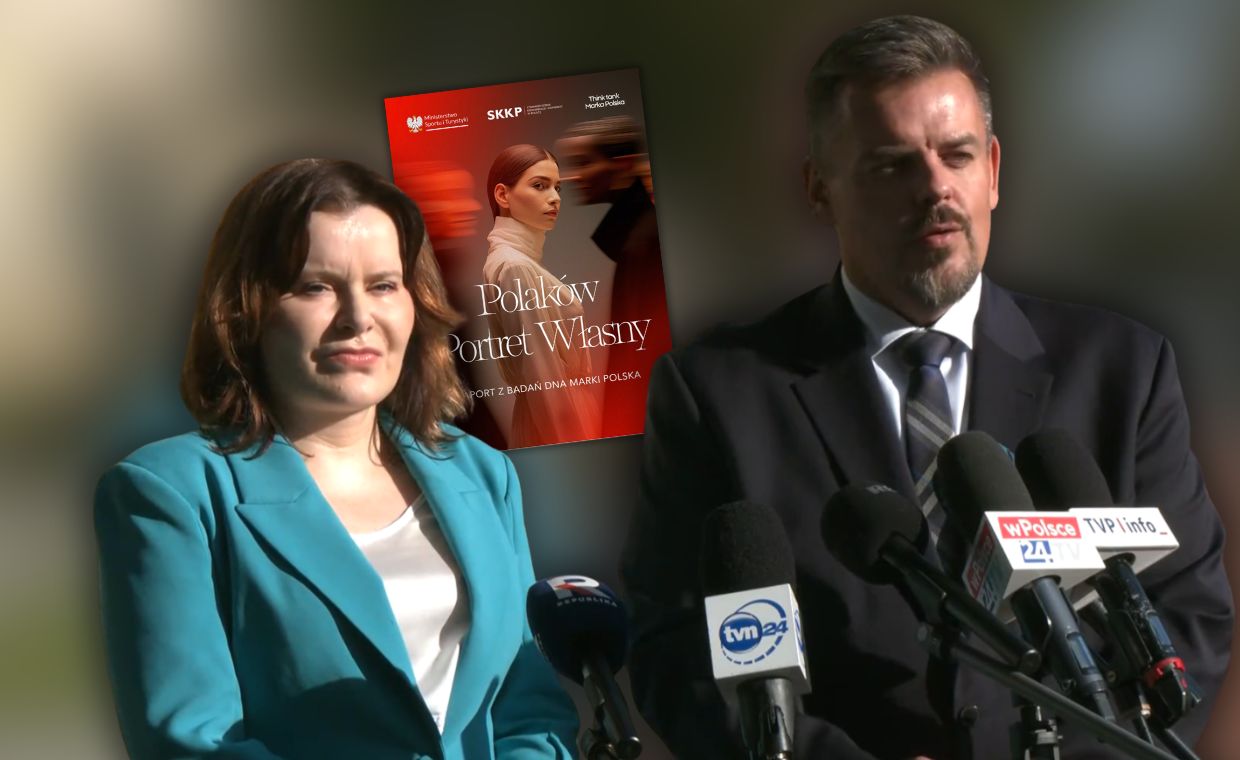
Public scrutiny intensified following the release of the “Polaków Portret Własny” report, which aimed to capture a comprehensive snapshot of civic attitudes and lifestyle patterns across Poland. According to reporting from WP Wiadomości and Gazeta, critics and political opponents quickly identified bizarre anomalies, structural inconsistencies, and analytical assertions within the text that sparked immediate suspicion regarding automated authorship. Citizens and lawmakers alike questioned how a national study meant to guide public policy could contain such glaring conceptual errors.
The core dispute centers on whether automated algorithms generated substantial portions of the text without proper editorial oversight or transparency. As public pressure mounted, government representatives scrambled to defend the project’s methodology. Statements highlighted by Money.pl and Interia Wydarzenia insisted that artificial intelligence did not author the core content. Officials maintained that human researchers drove the analysis, yet the explanations failed to satisfy skeptical lawmakers demanding a full financial audit of the contractors involved.
Legal Escalation and Calls for Thorough Investigation
Opting out of purely political rhetoric, Law and Justice officials translated their opposition into formal legal filings. By notifying both the prosecutor’s office and the CBA, the party aims to uncover the exact procurement path, billing details, and contractual obligations tied to the controversial document. Investigators must now determine whether public funds were mismanaged or if private entities profited from substandard automated outputs delivered under the guise of rigorous sociological research.
This administrative friction exposes vulnerabilities in how public institutions vet digital tools and commission third-party contractors for civic projects. When public funds are allocated for policy-shaping research, absolute transparency is non-negotiable.
Broader Ramifications for Public Sector Procurement
The friction surrounding the “Polaków Portret Własny” study reverberates far beyond political talk shows in Warsaw.
Contractors and public servants alike must now navigate a much stricter regulatory environment. Without rigorous oversight, similar projects risk meeting the same administrative downfall, leaving taxpayers to foot the bill for unverified digital experiments.
The ultimate outcome of these inquiries will likely redefine the legal boundaries of digital assistance in public administration across the nation, ensuring that transparency remains a core pillar of civic governance.