
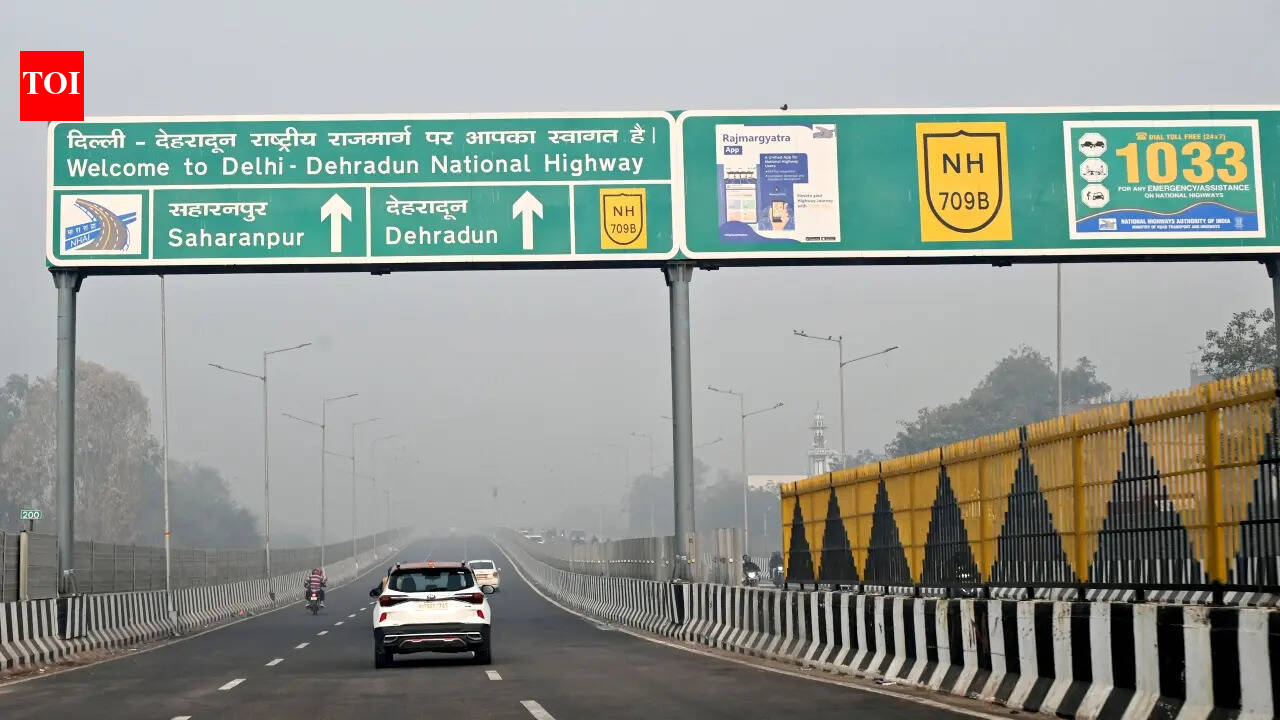
PM Modi to Inaugurate Delhi-Dehradun Expressway: Travel Time Cut to 2.5 Hours
Prime Minister Narendra Modi inaugurated the Delhi-Dehradun Expressway on April 14, 2026. This 210-to-213 kilometer access-controlled corridor connects India’s national capital to the Uttarakhand winter capital, slashing travel time from over six hours to just 2.5 hours to accelerate regional economic connectivity and logistics.
For decades, the journey between Delhi and Dehradun was a grueling exercise in patience, characterized by congested arteries and unpredictable bottlenecks. Today, that narrative changes. The inauguration of the Delhi-Saharanpur-Dehradun Expressway—also known as the Delhi-Dehradun Economic Corridor—represents more than just a shaving of minutes off a stopwatch; it is a fundamental reconfiguration of Northern India’s logistical geography.
The project, executed under the National Highways Authority of India (NHAI), is a massive undertaking that integrates multiple highway stretches into a singular, high-speed artery. By blending existing routes like National Highway 709B and National Highway 307 with a new green-field alignment (NH-344G), the government has essentially bypassed the urban friction that previously slowed commerce and tourism to a crawl.
The Hard Data: Engineering a Faster Corridor
The scale of this investment is staggering. With a budget exceeding Rs 12,000 crore, the corridor is designed to handle high-volume traffic while maintaining strict access control. This isn’t a traditional road; it is a precision-engineered tool for economic movement.
| Metric | Previous Standard | New Expressway Standard |
|---|---|---|
| Travel Time | 5–6+ Hours | ~2.5 Hours |
| Approximate Distance | 235–280 Kilometers | 210–213 Kilometers |
| Lane Configuration | Variable / Congested | 12/6 Lane Access-Controlled |
| Primary Route Components | Local State/National Roads | NH-709B, NH-307, NH-344G |
The efficiency gain is immediate. By reducing the distance and eliminating the stop-and-proceed nature of the old routes, the corridor transforms Dehradun from a distant getaway into a viable satellite hub for Delhi-based operations.
Balancing Progress with Ecology
Infrastructure of this magnitude rarely comes without environmental tension. However, the Delhi-Dehradun Expressway introduces a critical design feature: a dedicated wildlife corridor. This elevated stretch allows animals to move freely beneath the highway, mitigating the fragmentation of natural habitats that often plagues large-scale road projects.
Before the official ribbon-cutting, Prime Minister Modi personally reviewed these wildlife passages, signaling a shift toward “green infrastructure.” This approach acknowledges that while speed is the goal, ecological preservation is the prerequisite for sustainable growth.
This intersection of land use and environmental protection often creates complex legal hurdles. As these corridors expand, developers and landowners are increasingly relying on commercial real estate attorneys to navigate the intricacies of land acquisition and easement laws to ensure that growth does not lead to protracted litigation.
A Catalyst for Regional Urbanization
The expressway does not merely connect two endpoints; it activates every city along its path. The route carves through Delhi, Uttar Pradesh, and Uttarakhand, bringing high-speed connectivity to Baghpat, Baraut, Shamli, and Saharanpur.

These cities, once relegated to the periphery of the capital’s influence, are now primary nodes on a major economic corridor. We are likely to notice a surge in warehouse development and cold-storage facilities in these regions. For businesses looking to capitalize on this, partnering with transportation logistics experts is no longer optional—it is the only way to optimize the new speed of the supply chain.
The connectivity extends even further through two strategic spurs:
- Saharanpur–Roorkee–Haridwar Expressway: A 50.7-kilometer, six-lane link that connects the corridor to the spiritual and tourism hub of Haridwar, and subsequently to the Char Dham Highway.
- Ambala-Shamli Expressway: A 121-kilometer, six-lane stretch that integrates the corridor with the broader network of Punjab and Haryana.
This web of connectivity turns the expressway into a regional anchor, linking the administrative power of Delhi with the industrial potential of Saharanpur and the religious tourism of Haridwar.
The Macro-Economic Shift
When the Prime Minister described this corridor as a “bridge to New India,” he was referring to the removal of “distance friction.” In economics, the cost of moving goods and people is a hidden tax on growth. By slashing travel time by more than half, the government has effectively lowered the cost of doing business in Uttarakhand.
However, rapid infrastructure deployment often outpaces local municipal planning. As these “expressway towns” grow, there is an urgent need for infrastructure planning consultants to help local governments manage the sudden influx of traffic, population, and industrial demand without collapsing existing local services.
The journey ended today with PM Modi offering prayers at the Maa Daat Kali Temple near Dehradun, a symbolic gesture blending the cutting-edge speed of the 21st century with the deep-rooted traditions of the region.
The Delhi-Dehradun Expressway is more than a road; it is a statement of intent. It signals a future where the geographical barriers of the North are dismantled in favor of a seamless, high-velocity economic zone. As the first vehicles commence to traverse this 213-kilometer stretch, the real challenge begins: managing the growth that this speed will inevitably ignite. For those navigating the legal, logistical, and structural shifts this corridor brings, the ability to find verified, professional guidance will be the difference between riding the wave of progress and being swept away by it. The World Today News Directory remains the essential resource for locating the experts equipped to handle this new era of connectivity.