
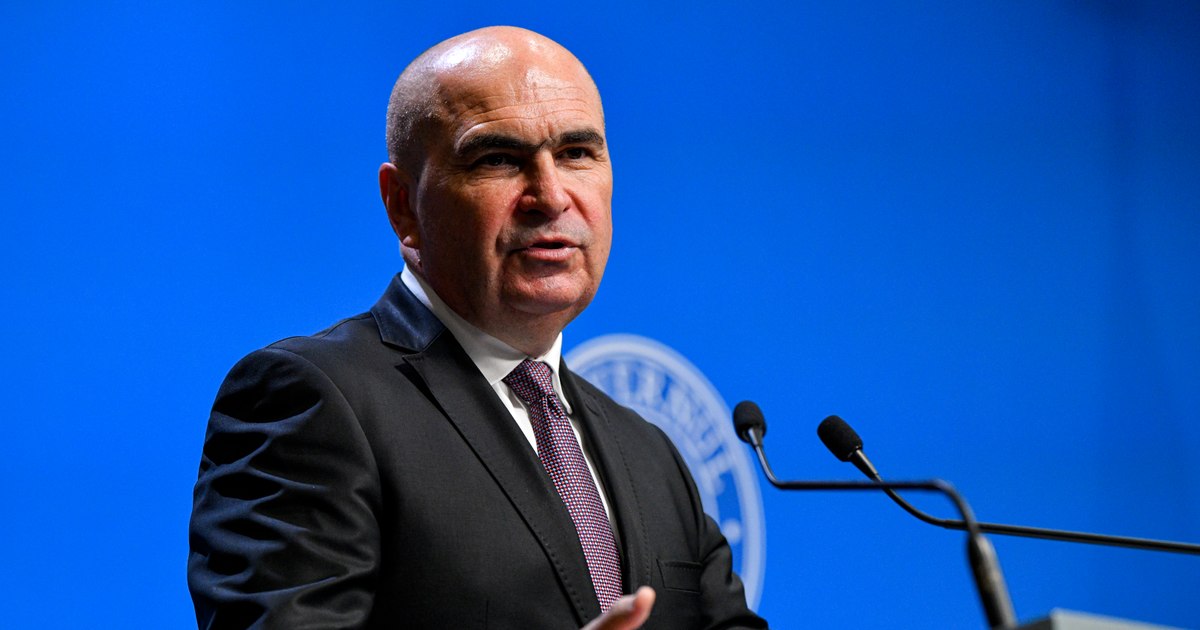
Romanian Prime minister Ilie Bolojan is now at the center of a structural shift involving coalition governance stability. The immediate implication is a heightened risk of governmental paralysis and policy uncertainty.
The Strategic Context
Romania’s post‑communist political system has increasingly relied on multi‑party coalitions to secure parliamentary majorities. Such arrangements are inherently fragile, especially when ideological divergences intersect with patronage networks and regional power bases. The current four‑party coalition reflects a broader pattern in Central and Eastern Europe where fragmented party systems amplify intra‑governmental competition, often at the expense of coherent policy execution.
Core Analysis: Incentives & Constraints
Source Signals: The prime minister characterizes recent Senate actions by the Social Democratic Party (PSD) as a protocol breach and warns that internal attacks are “the prelude to breaking any notion of trust, team feeling and duty.” he outlines two strategic options: continue partisan agenda‑driven behavior or reset the coalition through renewed compromise and mutual respect.
WTN Interpretation: The PSD’s Senate vote against the Environment Minister signals an attempt to leverage parliamentary tools to extract concessions or signal dissent within the coalition. Bolojan’s public framing serves both to pressure dissenting partners and to reassure external audiences (investors, EU partners) that the government remains functional. Incentives driving the PSD include preserving its voter base, extracting policy influence, and positioning itself for the next electoral cycle. Constraints for Bolojan involve limited constitutional tools to discipline coalition partners, dependence on parliamentary support for budgetary approval, and the need to maintain EU confidence amid rule‑of‑law scrutiny. The broader structural pressure of a fragmented party system limits the prime minister’s ability to enforce discipline without risking a coalition collapse.
WTN Strategic Insight
“When coalition partners weaponize parliamentary procedures, the prime minister’s recourse is negotiation, not coercion-making compromise the only viable engine of governance in fragmented systems.”
Future Outlook: Scenario paths & Key Indicators
Baseline path: If the coalition adheres to Bolojan’s call for a “reset” and adopts a disciplined compromise agenda,parliamentary voting will stabilize,allowing the government to pass key budgetary and reform measures.Policy continuity will improve, sustaining investor confidence and keeping EU funding streams intact.
Risk Path: If intra‑coalition antagonism persists-evidenced by further protocol breaches or public confrontations-the coalition may fragment, triggering a vote of no confidence or forcing early elections. This would heighten political uncertainty,potentially slowing reforms and exposing Romania to external diplomatic pressure.
- Indicator 1: frequency and nature of parliamentary votes where coalition parties oppose each other (to be tracked in the next 3‑month session).
- Indicator 2: Public statements or press releases from PSD leadership indicating strategic shifts or coalition‑wide negotiation outcomes (monitor within the next 2‑4 weeks).
