
Plastic to Vinegar: Scientists Convert Waste with Sunlight | Media Indonesia
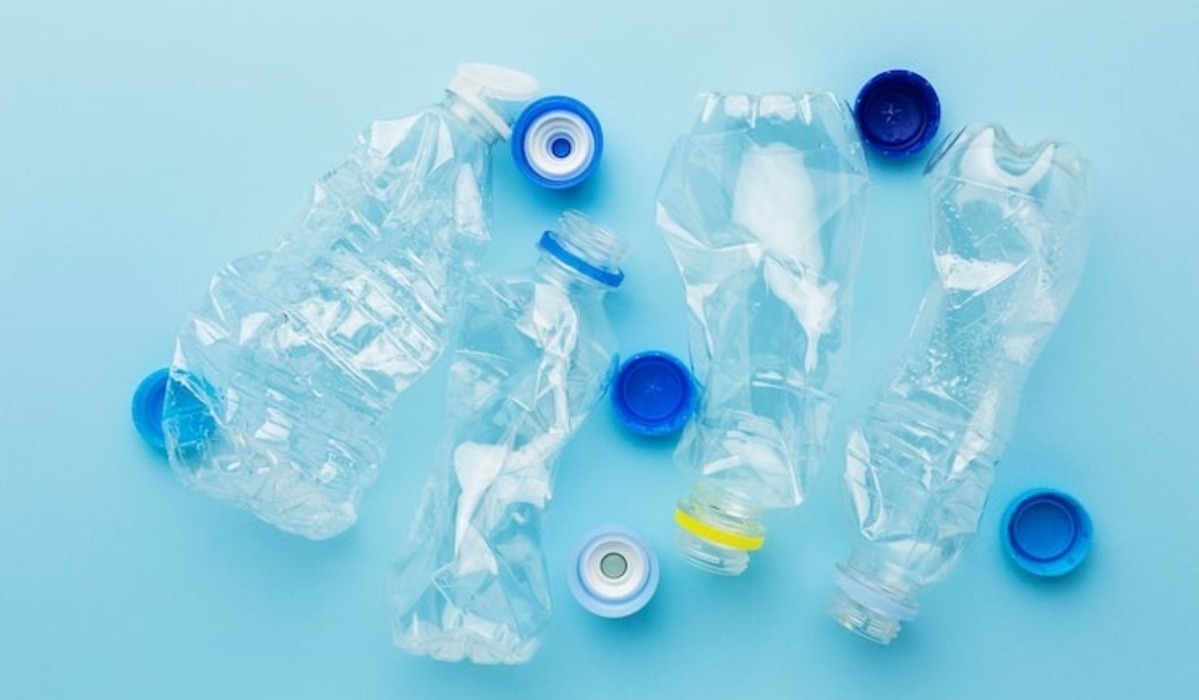
A team of researchers at the University of Waterloo, Canada, has developed a method to convert plastic waste into acetic acid, a key component of vinegar, utilizing sunlight and a specialized catalyst. The findings, published in the journal Advanced Energy Materials, offer a potential pathway to address the escalating global challenge of plastic pollution.
Since the 1950s, plastic production has surged, with most plastics requiring between 250 and 500 years to naturally decompose. This has led to the accumulation of plastic waste in landfills and oceans, and the introduction of microplastics into the human food chain. The University of Waterloo team’s research aims to transform this environmental burden into a valuable resource.
The system is inspired by natural processes observed in fungi, which break down complex materials like wood using enzymes. Researchers designed a “cascade photocatalysis” system, where one reaction triggers the next in a sequential manner. Initially, the plastic is broken down into smaller molecules, which are then converted into acetic acid. The entire process operates at normal temperatures and pressures, eliminating the necessitate for harsh chemicals or extreme conditions.
Central to the process is a material called Fe@C3N4 SAC, containing single iron atoms evenly distributed on a carbon nitride surface. Despite iron constituting only about 0.5 percent of the material’s weight, each atom functions as a highly efficient reaction center. When exposed to sunlight, the catalyst activates hydrogen peroxide added to the system, generating highly reactive hydroxyl radicals that break down the plastic’s molecular chains.
During decomposition, the plastic initially transforms into carbon dioxide as an intermediate stage. The catalyst then reconverts this carbon dioxide back into acetic acid. Notably, the process does not contribute to net carbon dioxide emissions, as it harnesses solar energy as its primary power source.
The research demonstrates the system’s effectiveness on common plastics, including polyethylene terephthalate (PET) – widely used in beverage bottles – polyethylene (PE) and polypropylene (PP), commonly found in packaging, and polyvinyl chloride (PVC), used in pipes and construction materials. PVC, in particular, exhibited high efficiency, potentially due to the chlorine released during its breakdown accelerating the decomposition process through the formation of reactive radicals.
The system also demonstrates the ability to process mixed plastics. Tests involving combinations of PET, PE, and PP consistently yielded acetic acid. This is a significant advantage, as real-world plastic waste streams are rarely composed of a single polymer type.
Although hydrogen peroxide remains the most expensive component of the process, the research team proposes future production of hydrogen peroxide using electricity generated from renewable energy sources. This could reduce costs and further enhance the system’s sustainability. The economic viability of the technology remains a challenge, but researchers argue that the environmental benefits represent a substantial social value.
The research, initially reported by Earth.com, represents a step toward a future where plastic waste is viewed not merely as a disposal problem, but as a potential source of valuable chemical feedstocks. The technology is currently at the laboratory stage, but opens the possibility of solar-powered recycling systems.