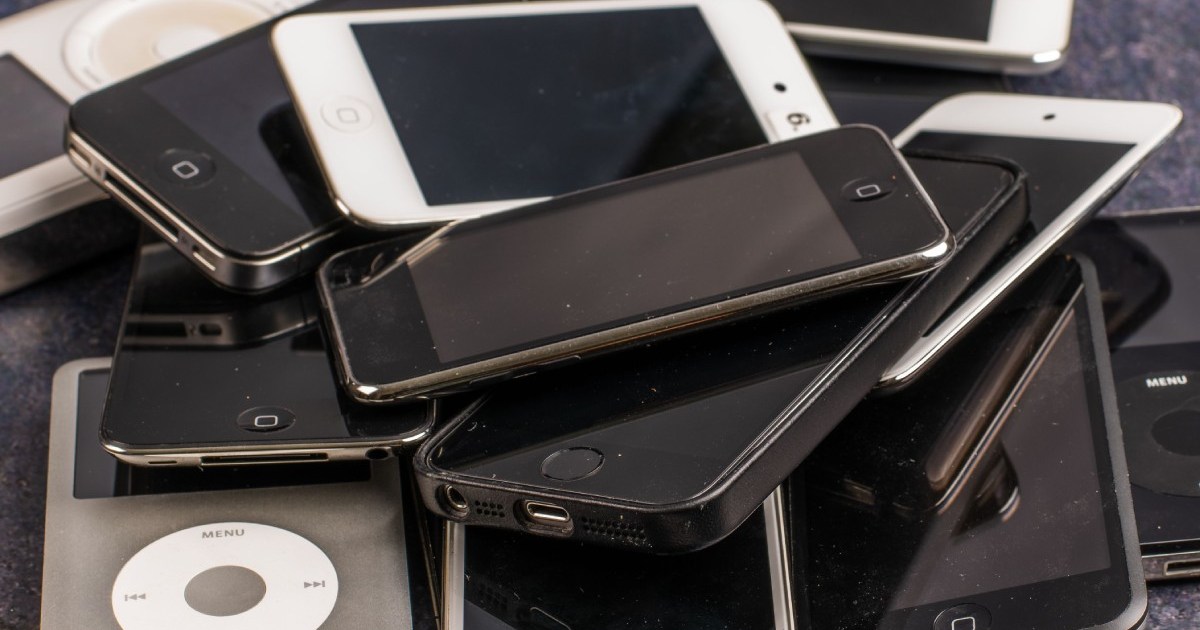
Planned obsolescence and design choices shorten device lifespans
Global E-Waste Volumes and Planned Obsolescence Driving Shortened Device Lifespans
Australians produce almost three times the global average of electronic waste, according to research published by Margherita Feleppa, a lecturer in the School of Law at the University of Wollongong.
- Global electronic waste reached 62 million tonnes by 2022 and is projected to hit 82 million tonnes by 2030, according to data cited in the research.
- Consumer devices like laptops, smartwatches, and wireless earphones feature integrated batteries and glued components that prevent straightforward repairs.
- Regulatory actions include a European Commission intervention against Nintendo regarding unresponsive controllers and a $9 million Australian Federal Court penalty against Apple over false or misleading representations about repair rights.
The Mechanics of Planned Obsolescence in Modern Hardware
Modern electronic devices fail to last because manufacturers purposely shorten product lifespans through a practice known as planned obsolescence. Devices such as laptops and smartwatches combine rare materials, toxic substances, and flammable batteries like mercury and arsenic. When these items are discarded prematurely, these hazardous materials pollute soil and waterways.
Hardware architecture further exacerbates the problem. Wireless earphones are frequently manufactured with batteries that break down quickly and are difficult to replace once they fail to hold a charge. Manufacturers often glue internal components together so technicians cannot take them apart for component-level service. Companies restrict access to replacement parts, proprietary software locks, and diagnostic information to authorized repair networks.

Authorities Penalize Tech Companies for Hardware and Software Faults
Legal challenges against hardware manufacturers have intensified across multiple jurisdictions. Consumer associations in Europe launched formal complaints against Nintendo regarding premature obsolescence in Nintendo Switch controllers that became unresponsive. Following contact from the European Commission and other authorities, Nintendo agreed to offer free repairs.
In Australia, the federal court ordered Apple to pay $9 million for making false or misleading representations to iPhone users. Those users had experienced a software fault affecting their device performance and were misled about their rights to repair or replacement under the Australian Consumer Law.
Policy Gaps and the Push for Legislative Reform
Legislative frameworks struggle to keep pace with rapid hardware iteration and electronic waste generation. Australia’s initial right to repair law focused primarily on vehicles, with recent government consultations expanding into agricultural machinery. However, the legislation omits everyday consumer electronics and fails to mandate reparability scoring or clear disclosure on whether a product can be fixed prior to purchase.
By contrast, the European Union implemented rules aimed at making all regional market products sustainable by design. The EU framework includes a right to repair law targeting specific electronics like mobile phones and washing machines alongside mandatory reparability scores.
Global electronic waste generated by 2022 totaled 62 million tonnes, a volume capable of filling more than one million trucks arranged around the earth’s equator. Projections indicate this total will rise by 32 percent to reach 82 million tonnes by 2030.