Pilot Suicide and Cockpit Hijackings: A History of Aviation’s Darkest Fears
A flyDubai flight from Dubai to Tel Aviv became the center of an onboard security scare on Wednesday after reports surfaced that a pilot allegedly attempted to stab a colleague and seize control of the aircraft.
Mid-Flight Security Scare on Tel Aviv Route
The incident has immediately thrust civil aviation security back into a familiar conversation. It recalls rare instances where flight deck personnel have turned against one another or utilized commercial airliners in catastrophic suicide operations.
While aviation authorities emphasize that such events remain statistically extraordinary, historical precedents demonstrate that cockpit insiders have previously bypassed strict security barriers with devastating results.
The Unsolved Mystery of Flight 370
The most enduring modern aviation mystery remains the disappearance of Malaysia Airlines Flight 370 on March 8, 2014.
Operating a Boeing 777 from Kuala Lumpur to Beijing with 239 passengers and crew onboard, the aircraft vanished from civilian radar over the South China Sea. Despite a multi-nation search across the Indian Ocean costing hundreds of millions of dollars, the plane was never fully recovered, though scattered debris later washed ashore along the coast of East Africa.
Aviation experts and investigators examining the tragedy have increasingly pointed toward veteran captain Zaharie Ahmad Shah. They theorize that he deliberately disabled communications, altered the flight path, and depressurized the cabin to incapacitate passengers and crew while the co-pilot, Fariq Abdul Hamid, was unable to intervene.
Investigators noted that Shah had simulated a southern Indian Ocean route on a home flight simulator and reportedly banked over his hometown of Penang in what some analysts interpreted as a final farewell, though no definitive motive was ever established.
Germanwings and the Locked Cockpit Door
A clearer picture of deliberate pilot-induced catastrophe emerged a year later with the March 2015 crash of Germanwings Flight 9525.
Andreas Lubitz, a 27-year-old co-pilot, locked the reinforced cockpit door after the captain stepped out during a flight from Barcelona to Düsseldorf. Cockpit recordings captured the captain pounding on the door for approximately ten minutes.
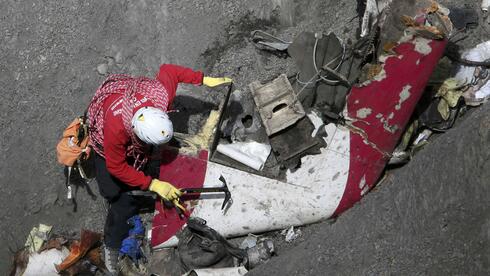
During this time, Lubitz systematically overrode the autopilot, descending the Airbus from a cruising altitude of roughly 11,500 meters to 30 meters before striking the French Alps. All 150 people onboard were killed.
Mental Health and Evolving Security Protocols
Subsequent investigations revealed that Lubitz had a documented history of severe depression, experienced vision problems, and feared losing his job.
Medical confidentiality laws and Lubitz’s failure to disclose his condition to Lufthansa prevented the airline from learning that a doctor had recommended psychiatric hospitalization just two weeks prior to the crash.
The disaster prompted international aviation regulators to temporarily implement rules requiring two crew members in the cockpit at all times. Similar suspicions arose years later following the 2022 crash of China Eastern Airlines Flight MU5735, maintaining intense scrutiny over pilot mental health screening and cockpit access protocols.