Photographers Reflect on Duterte Drug War Toll as Families Seek Accountability
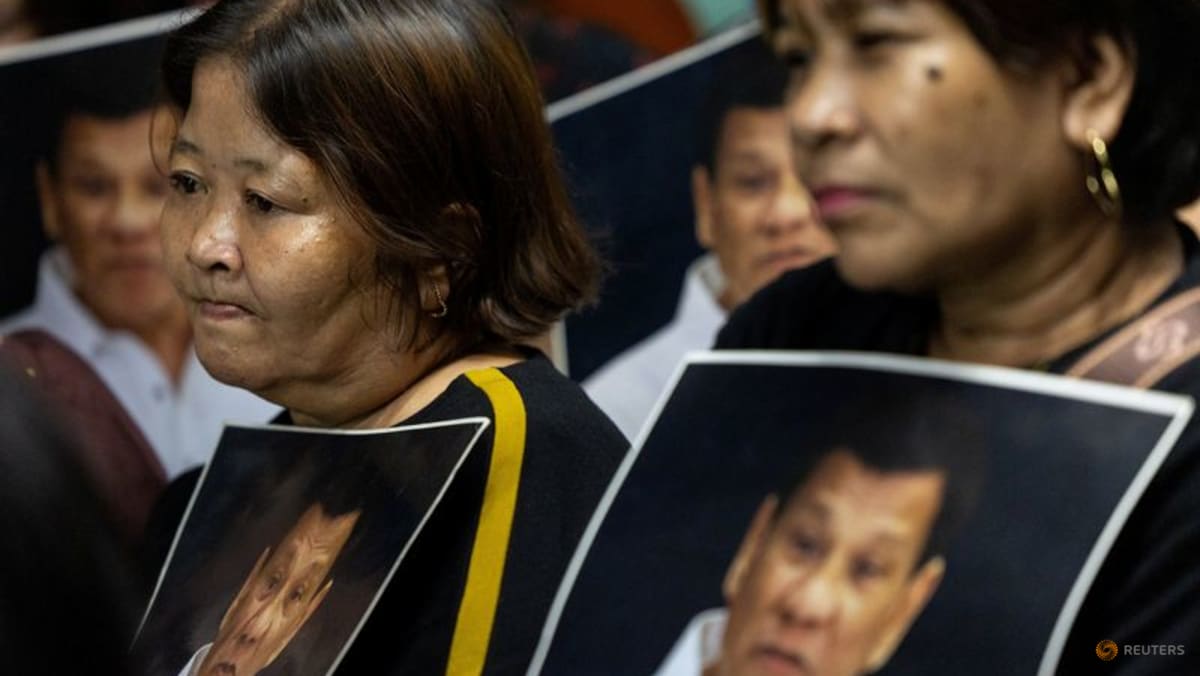
Photographers who documented former Philippine president Rodrigo Duterte’s deadly anti-drug campaign are reflecting on the toll of the assignment a decade later, as families continue demanding accountability through church-backed dialogues reported on November 24 by Bulatlat.
Dondi Tawatao returned to a garbage-strewn street where he took pictures of two bodies beneath a banyan tree during a rainy night 10 years ago. He recalled that the police initially tipped off journalists about the killings, but stopped cooperating as public outcry grew, forcing photographers to chase mortuary vans.
“It was very dark, very sinister. It’s supposed to be the tree of life, but on that night, it became the tree of death,” Tawatao, 46, told CNA.

After four years covering the drug war, the killings became so normalized that Tawatao stopped visiting crime scenes unless there were at least three corpses. He developed a mental map of Manila based on the bloodshed and eventually left the profession to rest mentally.
Freelancer Kimberly dela Cruz, 36, encountered her first victim on Manila’s rail tracks and another on a major bridge, where a cardboard sign declared the dead man a drug pusher. “Residents of the mainly slum-area killing grounds could fear journalists as much as they did police,” Kimberly dela Cruz told AFP.
Another photographer, Celis, remembered the metallic smell of blood and the keening of victims’ wives and mothers. He described feeling guilty for not being able to help and facing accusations of profiting from suffering, leading him and a colleague to apologize to the girlfriend of a victim at a wake.
“We went there to apologise for not being able to help,” Celis told CNA, adding that he informed the girlfriend the photographs could serve as evidence if charges were ever brought.
While photojournalists reckon with their past coverage, relatives of those killed are pushing for accountability. Emily Soriano and Normita Lopez shared accounts of their sons’ deaths during a dialogue organized by the National Council of Churches in the Philippines alongside the World Council of Churches, Bulatlat reported.
Rev. Merlyn Hyde Riley said that the testimonies exposed deeper structural, political, economic, social, and spiritual issues behind the killings.
Manila’s dense urban landscape, with 44,935 inhabitants per square kilometer, provided a backdrop where drug war killings became normalized, as photographers like Dondi Tawatao developed a mental map of the city’s bloodshed.
The city’s rail tracks and major bridges emerged as distinct killing grounds, where freelance photographer Kimberly dela Cruz encountered victims, including one left with a cardboard sign declaring him a drug pusher, reflecting the chilling efficiency of the violence embedded in Manila’s infrastructure.
“We are sharing with you sacred stories. Now that you have heard them, you are witnesses. We invite the WCC to stand in solidarity with the families of the victims in their quest for justice,” said Deaconess Norma Dollaga of Rise Up.