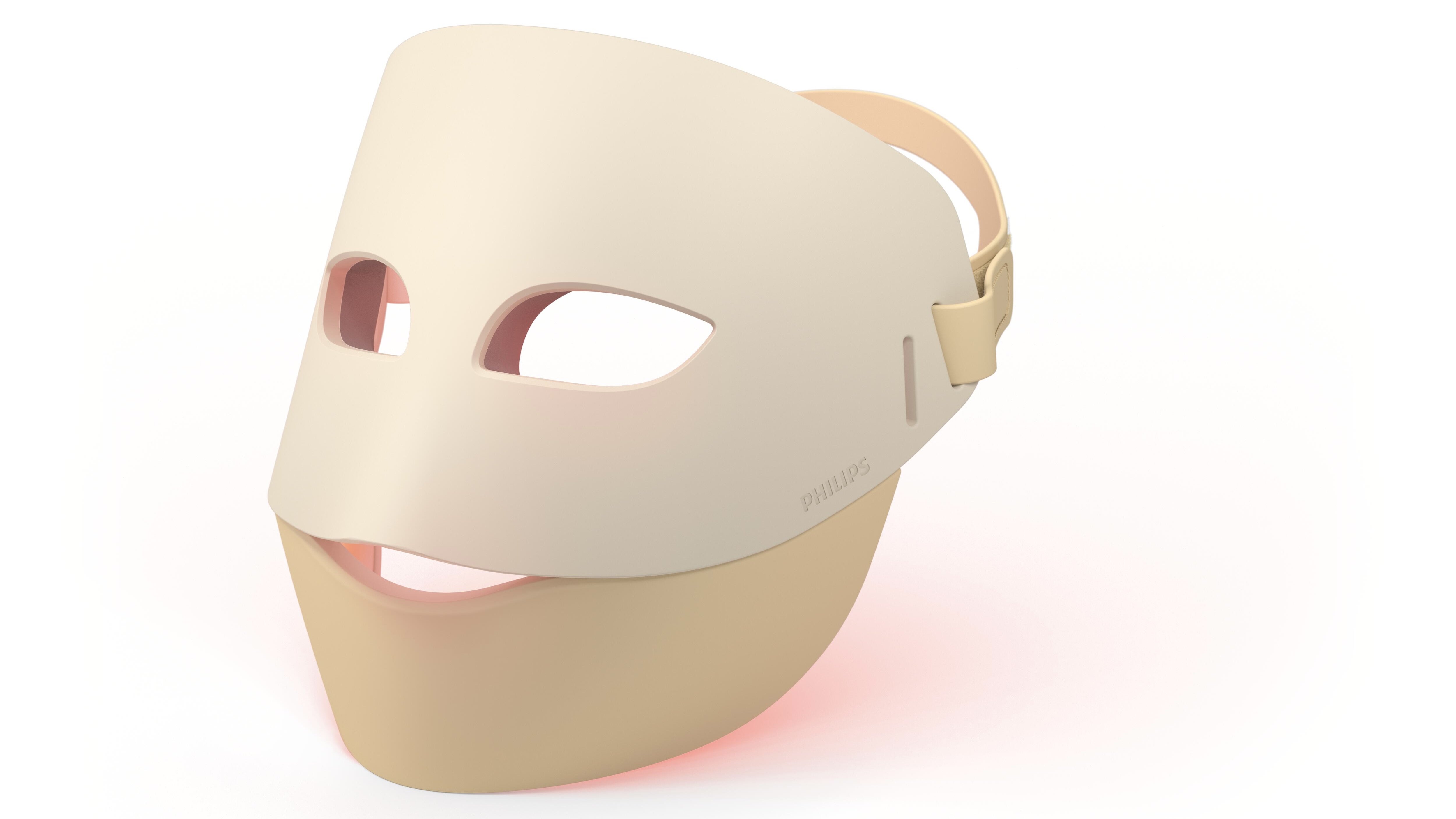
Philips Launches ReAura: A Versatile 3-in-1 LED Face Mask
Philips Launches ReAura LED Mask Featuring Detachable 3-in-1 Design
Philips is entering the wearable light therapy hardware market with the release of the ReAura LED face mask, deploying a detachable 3-in-1 modular architecture designed to isolate treatments across the full face, eye area, or neck. According to product specifications detailed by the manufacturer, the hardware is scheduled for commercial release on August 1 across the United Kingdom, France, and Germany, retailing at £349.99 and €399.99 respectively through the official Philips online store and exclusively via Amazon.
The Tech TL;DR:
- Deployment Date: August 1 rollout across the UK, France, and Germany, priced at £349.99/€399.99 via Philips and Amazon.
- Hardware Topology: Modular 3-in-1 detachable chassis that configures for full-face, periorbital (eye), or cervical (neck) treatments.
- Optical Array: Multi-wavelength emission utilizing red, blue, and near-infrared diodes to target specific dermatological parameters.
Modular Hardware Architecture and Wavelength Specifications
Early iterations of consumer light therapy masks suffered from rigid, monolithic form factors that treated facial topography as a single flat plane. Per the product documentation released by Philips, the ReAura design addresses these ergonomic and thermal constraints by incorporating a flexible, lightweight chassis combined with soft eye cushions to maintain consistent diode-to-skin distance across irregular facial contours. The device leverages a trio of distinct optical wavelengths—red, blue, and near-infrared—to address multiple tissue layers simultaneously.
Developers and consumers can configure the hardware via three onboard treatment profiles: Age Care, Blemish Care, and Daily Glow. Power delivery is managed by an integrated rechargeable battery pack rated for up to eight operational sessions per charge cycle, with each automated routine running for approximately 10 minutes.
Comparative Analysis of Modular vs. Monolithic LED Form Factors
The consumer light therapy market has transitioned rapidly from rigid single-use plates to flexible wearable masks. Brands such as Silk’n and CurrentBody established early precedents by introducing flexible polymers with extended chin and neck coverage zones. The Philips ReAura advances this trajectory by utilizing a truly detachable modular interconnect, allowing users to physically split the diode arrays depending on the targeted anatomical zone.
| Manufacturer & Model | Form Factor Topology | Wavelength Matrix | Targeted Zones |
|---|---|---|---|
| Philips ReAura | Detachable 3-in-1 modular | Red, Blue, Near-Infrared | Full face, Eyes, Neck |
| CurrentBody Skin LED Mask | Flexible single-piece silicone | Red, Near-Infrared | Full face (extensions optional) |
| Silk’n LED Mask | Flexible polymer matrix | Red, Blue, Yellow, NIR | Full face |
Implementation Workflow and Power Management Integration
# Python script simulating device session monitoring and power state check
class ReAuraDevice:
    def __init__(self):
        self.battery_charge_cycles = 8
        self.session_duration_minutes = 10
        self.firmware_status = "STABLE"

    def initiate_session(self, mode: str):
        valid_modes = ["Age Care", "Blemish Care", "Daily Glow"]
        if mode not in valid_modes:
            raise ValueError("Invalid operational mode selected.")

        print(f"Executing {mode} profile for {self.session_duration_minutes} minutes.")
        self.execute_diode_array()

    def execute_diode_array(self):
        # Simulating multi-wavelength diode emission (Red, Blue, NIR)
        print("Emitting Red, Blue, and Near-Infrared wavelengths.")
        print("Battery efficiency nominal. Session complete.")

device = ReAuraDevice()
device.initiate_session("Age Care")
Deployment Roadmap and Future Hardware Iterations
The August 1 rollout across the UK, France, and Germany marks Philips’ initial hardware penetration into the multi-zone LED mask segment.