Philippines School Shooting Sparks Debate: Should Juvenile Crime Laws Be Tightened?
Rare School Shooting in Philippines Sparks Legal and Cultural Debate
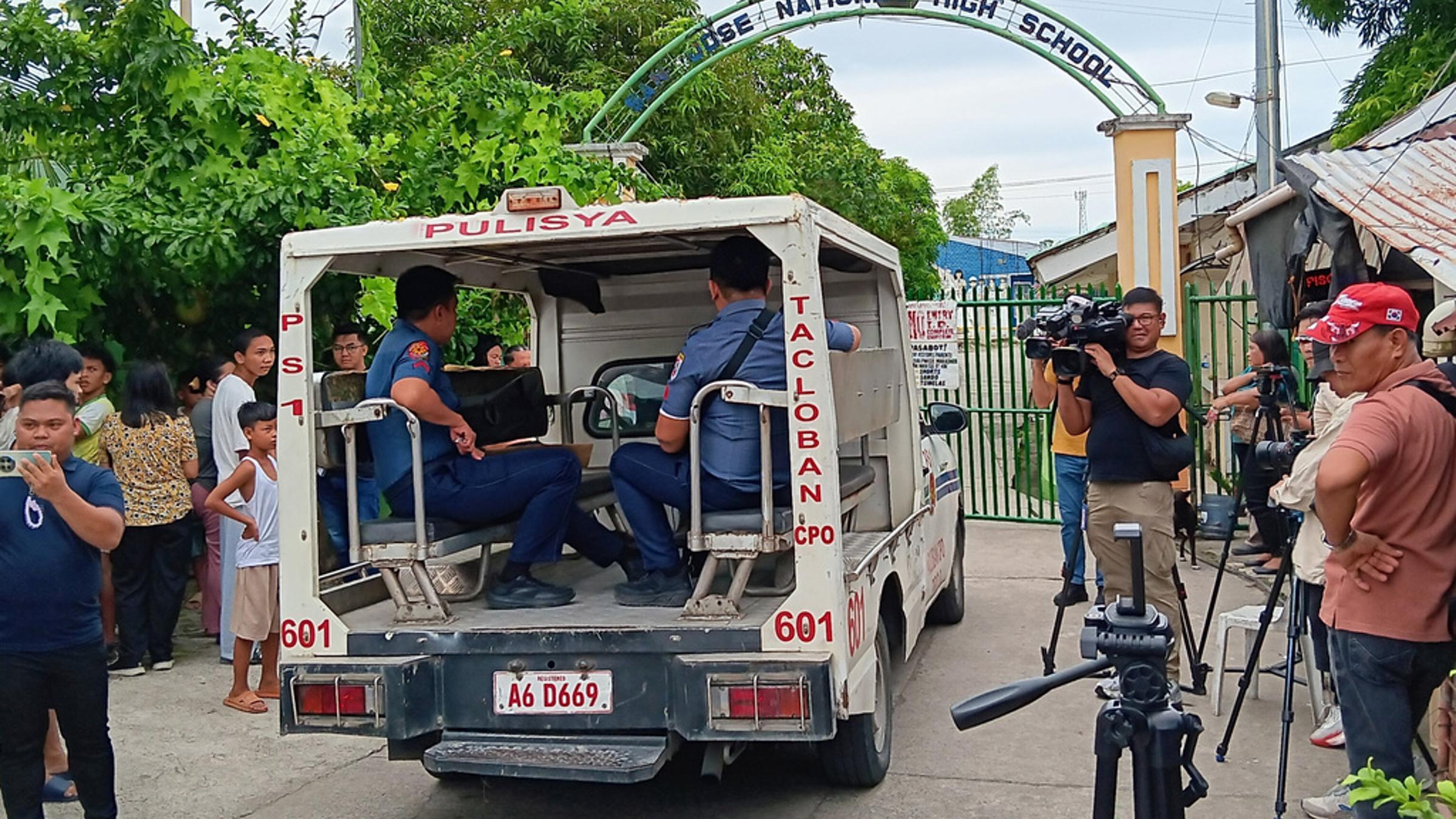
Three students were killed and 20 injured in a June 22, 2026, shooting at San Jose National High School in Tacloban City, Philippines, reigniting debates over juvenile criminal liability and school safety. Two 14- and 15-year-old suspects, who allegedly accessed a police-issued firearm, are under investigation, with lawmakers pushing for legal reforms. According to the Philippine National Police, the incident highlights gaps in the country’s 2006 Juvenile Justice Law, which exempts minors under 15 from criminal liability. The shooting has also intensified discussions about bullying, online gaming’s influence, and the role of social media in shaping public discourse.
Legal Frameworks and Political Reactions
The 2006 Juvenile Justice Law, authored by Senator Francis Pangilinan, mandates intervention programs for minors under 15 rather than criminal prosecution. However, the Tacloban incident has fueled calls to lower the minimum age of criminal responsibility to 10, as advocated by Senator Robinhood Padilla, a Duterte ally. “The problem is right in front of our faces,” Padilla stated, citing comparisons to U.S.-style school shootings. Meanwhile, Pangilinan emphasized the law’s proper implementation, asserting, “The suspects must go through the process prescribed by law.”
Regional police director Brigadier General Jason Capoy revealed the suspects had planned the attack since April, initially aiming to intimidate targets before escalating to violence. One suspect claimed he was a bullying victim, prompting education officials to reinforce the 2013 Anti-Bullying Act. According to the OECD’s 2022 report, 15% of Filipino students frequently experience bullying, with 10% facing threats monthly. “How many more lives should be lost before we wake up?” asked Senator Erwin Tulfo, urging stricter enforcement of existing laws.
Social Media Outrage and Public Discourse
Online platforms became battlegrounds for conflicting narratives. While some users argued the suspects “studied the law,” others criticized the 2006 framework as too lenient. A local official noted, “It’s worrisome because it seems they know a lot. They’ve studied it.” The Philippine Cybercrime Investigation and Coordinating Center temporarily banned GoreBox, a violent video game linked to the 14-year-old suspect, citing its potential to desensitize users to violence.

Entertainment attorney Maria dela Cruz, who specializes in youth-related legal cases, warned of broader implications: “This incident could set a precedent for how courts balance rehabilitation and accountability. It’s a delicate line to walk.” Meanwhile, the Philippine Box Office Association reported a 12% drop in youth-targeted film viewership in 2026, suggesting shifting public priorities.
Calls for Legal Reforms and Cultural Shifts
The shooting has intensified pressure on legislators to revise the Juvenile Justice Law. Padilla’s proposal to lower the age of criminal responsibility to 10 mirrors similar debates in other Southeast Asian nations, where youth violence remains a contentious issue. However, human rights groups caution against retrogressive policies. “Duterte’s legacy of harsh crackdowns has left a scar on the judiciary,” said Amnesty International spokesperson Ana Rivera. “We must avoid repeating past mistakes.”
Crisis PR firms [Relevant Firm/Service] are already advising lawmakers on messaging strategies, as public sentiment swings between calls for stricter laws and concerns over juvenile rights. “This is a high-stakes scenario,” said PR executive Luis Montes. “The narrative around youth accountability will shape not just legal outcomes, but cultural attitudes for years.”
Cultural and Educational Implications
The incident has also sparked conversations about school culture and mental health support. In response, the Department of Education ordered nationwide anti-bullying campaigns, while [Relevant Event Management Service] is organizing workshops for teachers on conflict resolution. “Schools must be safe spaces, not arenas for violence,” said educator and author Dr. Clara Vargas. “This tragedy underscores the need for holistic approaches.”
Meanwhile, the role of media in amplifying or mitigating such crises remains under scrutiny. According to a 2026 study by the