
Philippines Earthquake: Death Toll Rises to 46 and Thousands Displaced
At least 46 people are confirmed dead and 32,000 residents remain displaced following a 7.7-magnitude earthquake that struck the Philippines on June 12, 2026. The seismic event, centered in the Sulawesi Sea, triggered urgent tsunami warnings and widespread infrastructure failure, prompting international aid offers from neighboring Malaysia and regional disaster response mobilization.
The Scale of the Seismic Impact
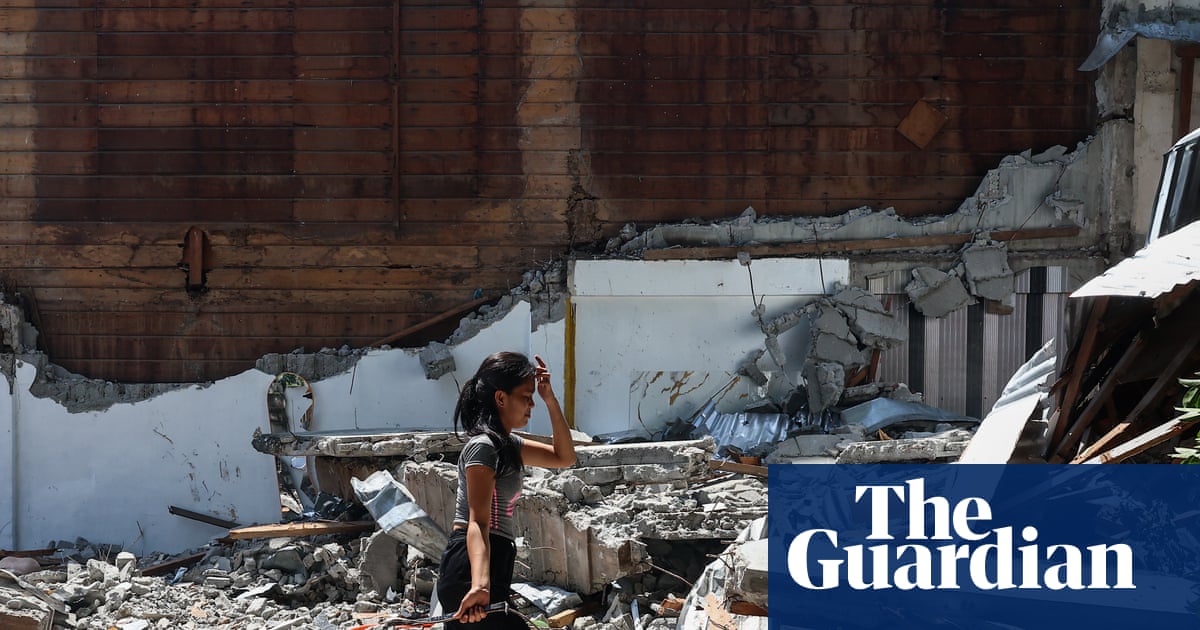
The earthquake struck at a depth that maximized surface tremors across the southern Philippines, causing significant structural damage to residential and commercial properties. According to data from the United States Geological Survey, the 7.7 magnitude classification makes this the most powerful tremor to hit the region in decades. The immediate aftermath forced a total evacuation of coastal zones as authorities issued tsunami alerts across the Sulawesi Sea corridor.

The human toll is rising. Local officials have confirmed 46 fatalities as of late June 12, with the number of displaced persons reaching 32,000. These families now face the immediate challenge of finding temporary shelter while basic utilities, including electricity and clean water, remain severed across several provinces.
Infrastructure Resilience and Recovery Challenges
The destruction of critical transportation arteries has complicated the delivery of emergency supplies. Roads in the affected zones are reportedly impassable due to cracks and landslides. When physical infrastructure fails, the burden of continuity often shifts to private coordination.
For businesses and municipal entities in the region, the restoration of site safety is the immediate priority. Engaging emergency restoration contractors is essential to stabilize damaged properties before further structural collapse occurs. Without professional assessment, the risk of secondary injuries remains high as aftershocks continue to rattle the region.
“The sheer intensity of this quake has pushed our local emergency protocols to the absolute limit. We are seeing structural failures in buildings that were previously considered compliant with national seismic codes. Our focus is currently on search, rescue, and the rapid deployment of temporary sanitation facilities to prevent secondary health crises,” stated a regional disaster management coordinator in a briefing to local media.
Regional Diplomacy and Aid Coordination
The disaster has triggered a swift diplomatic response. Malaysia, situated in close proximity to the impact zone, has formally signaled its readiness to provide personnel and logistics support. Prime Minister Anwar Ibrahim indicated that the Malaysian government is coordinating with Philippine authorities to ensure that aid packages—specifically medical supplies and heavy-duty water filtration units—reach the most isolated coastal villages.
This level of regional cooperation is governed by the ASEAN Agreement on Disaster Management and Emergency Response, which dictates how member states share resources during catastrophic events. However, the logistical reality on the ground often requires private sector involvement to bridge the gap between government promises and local execution.
Legal and Financial Implications for Property Owners
Beyond the immediate humanitarian crisis, the long-term economic impact of the earthquake is becoming clear. Commercial developers and property owners are currently facing significant liabilities regarding site safety and insurance compliance. In the wake of such a high-magnitude event, many are finding that standard policies require intense scrutiny.
Legal experts suggest that property owners should immediately consult with commercial real estate attorneys to document damage accurately and ensure that contractual obligations to tenants are managed within the bounds of force majeure clauses. Failure to properly document the extent of the damage can lead to protracted disputes with insurers later in the recovery cycle.
The Reality of Post-Seismic Recovery
The path to normalcy will be measured in years, not weeks. As the initial search and rescue phase transitions into a massive reconstruction effort, the reliance on verified professional services will become even more pronounced. Municipal governments are already struggling with the sheer volume of permit requests for building inspections, creating a bottleneck for those attempting to rebuild.

The volatility of the regional tectonic plate remains a concern. Scientists monitoring the Sulawesi Sea basin have warned that the potential for further seismic activity remains elevated. For those operating in the region, the lesson is clear: disaster preparedness is not a one-time investment but a continuous process of auditing, planning, and professional partnership.
As the sun sets on the affected provinces, the recovery remains in its infancy. The focus now shifts toward the restoration of essential services and the long-term stabilization of the regional economy. Whether through the procurement of essential building materials or the engagement of specialized legal counsel, the recovery of the Philippines will depend heavily on the ability of its citizens to connect with the right resources at the right time. Those seeking to assist or navigate the complex aftermath can find vetted professionals through the Global Professional Services Directory, which remains the primary hub for connecting disaster-impacted regions with the expertise required to rebuild.