Philippe Couillard concerned medical aid in dying has gone too far
Medical assistance in dying accounted for 7.9% of all deaths in Quebec during 2024–2025, according to data from the Commission sur les soins de fin de vie reported by ici.radio-canada.ca. That rate places the province ahead of the Netherlands at 5.8%, Belgium at 3.8%, and Switzerland at 2.5% for recourse to the procedure.
Philippe Couillard Questions His Government’s Law
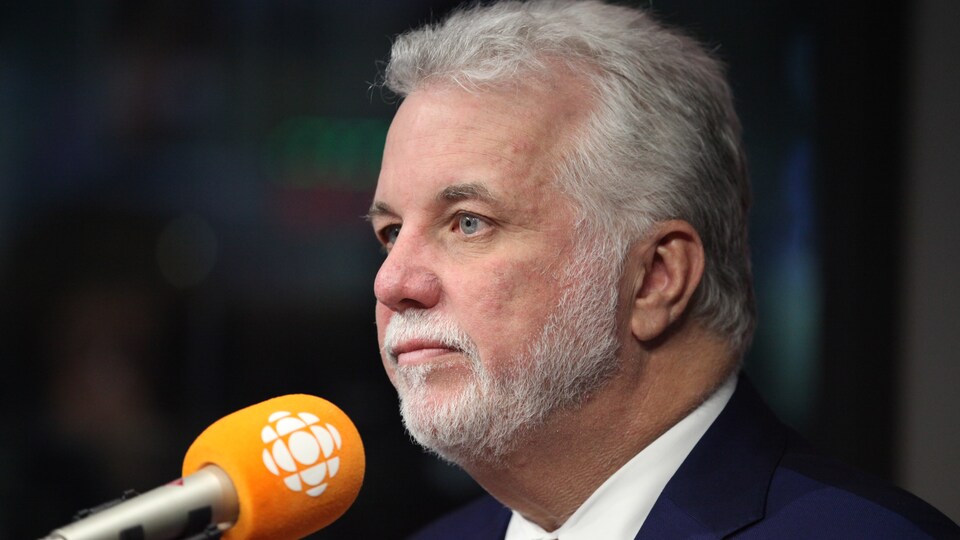
Former Quebec premier Philippe Couillard expressed concern over the expansion of medical assistance in dying across Canada in an interview with CBC’s program The House, ici.radio-canada.ca reported. His Liberal government was the first in the country to adopt a law authorizing the practice in 2014. Couillard stated that he is not sure he would vote for the law again given the expansions witnessed in recent years. Couillard, who worked as a neurosurgeon prior to entering politics, noted that the procedure was initially restricted to terminal or pre-terminal illnesses with an inevitable fatal outcome.
Opponents warned him that the door, once opened, would never close and would widen further. Couillard noted that this prediction came true, adding that he hopes they did not act too quickly. Despite his current reservations, he recalled the initial motivations behind the law. He thought of specific patients he treated during his medical career who experienced severe suffering.
Quebec Expands Access to Anticipated Requests
Quebec introduced anticipated requests for medical assistance in dying in 2024. This change allowed individuals living with conditions such as Alzheimer’s disease to submit a request before their condition rendered them incapable of giving consent. While the initial 2014 bill was introduced by the Parti québécois, it secured cross-party support while Couillard’s Liberals held power. Couillard described the passage of that initial legislation as one of the democratic highlights of his mandate.
Federal Government Drops Mental Illness Inclusion
The federal government instituted its own legislation in 2019 following a 2019 Superior Court of Quebec ruling that invalidated the initial 2016 requirement for a reasonably foreseeable death. Federal officials announced that the government will not extend medical assistance in dying to individuals suffering solely from mental illness. Justice Minister Sean Fraser stated that upcoming legislation will permit citizens to give prior consent if their home provinces allow it. Isabelle Marcoux, co-director of the research consortium on medical assistance in dying, noted significant disagreements among experts and politicians regarding the inclusion of mental disorders as a sole criterion. Marcoux stated in an interview on ICI Première’s program Les faits d’abord that the courts will likely have to resolve the question. Her research consortium is currently examining the factors behind Quebec’s high rate of the procedure, including population characteristics, service accessibility, social acceptability, and media coverage.
Couillard’s public reconsideration highlights the ongoing tension between early legislative intent and subsequent judicial and political expansions of end-of-life care.