Philadelphia Cycling Classic 2026: Guide to the Return
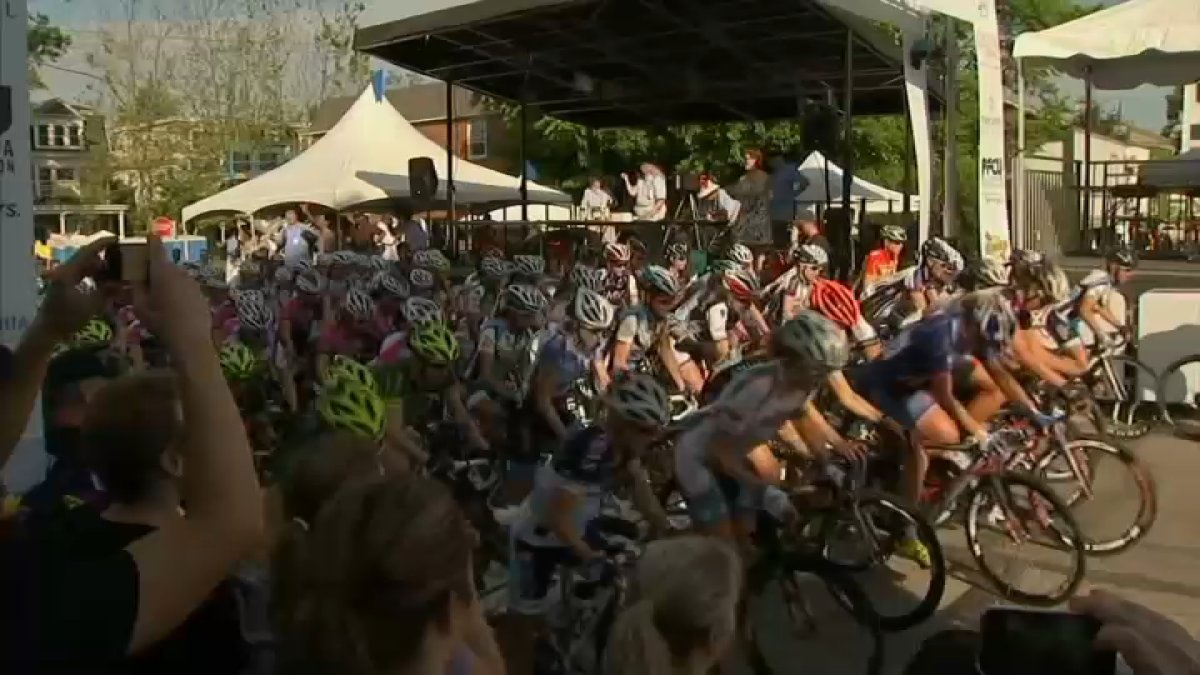
The Philadelphia Cycling Classic returns to the city after a 10-year hiatus on Sunday, August 30, 2026, bringing elite international racing back to historic regional climbs like the Manayunk Wall. The revived competition restores a cornerstone fixture of the American professional sports calendar, creating immediate logistical and commercial ripples across the local economy.
When the race vanished from the schedule a decade ago, Philadelphia lost a vital tourism anchor that historically drew tens of thousands of spectators to Fairmount Park and regional commercial corridors. Bringing back a tier-one cycling event requires massive urban coordination, testing municipal transit frameworks and regional infrastructure. Major endurance events of this scale generate millions in direct economic impact for hospitality vendors, hotels, and downtown retailers. Event organizers and city planners must coordinate closely with regional traffic agencies to secure the course, making the operational logistics a complex undertaking for municipal authorities.
Navigating the Course and Logistics
The return of the race places the spotlight squarely back on its most infamous geographic feature: the 17% grade of the Manayunk Wall on Levering Street. Riders will face severe lactate threshold tests as they navigate the punishing circuits, demanding elite tactical execution and exceptional aerobic capacity. Cycling analysts note that the narrow roads and steep gradients magnify the risk of high-speed crashes in the peloton, placing heavy demands on race day support structures.
While elite cycling teams travel with dedicated sports medicine directors and physiotherapists to manage acute trauma, the influx of amateur enthusiasts riding the course creates distinct local challenges. Regional cycling clubs and recreational riders tackling steep urban climbs frequently require support from specialized sports medicine clinics and physical therapy centers to manage overuse injuries and acute joint trauma. Ensuring swift access to vetted medical professionals remains a priority for municipal health officials during high-profile endurance events.
Commercial and Community Impact
Beyond the athletic spectacle, the resurrected event triggers a surge in short-term commercial contracts. Local businesses, ranging from boutique hospitality providers to specialized event security teams, absorb a sudden influx of operational demands. Commercial property owners and hospitality groups along the race route often secure specialized event contract lawyers to review temporary vendor agreements, liability waivers, and municipal permitting requirements.
The return of top-tier international racing also serves as a catalyst for regional youth development programs. Local cycling academies and grassroots sports initiatives leverage high-profile professional events to drive youth participation and secure equipment grants. Connecting young athletes to structured developmental pathways ensures the city builds a lasting competitive legacy from the event’s revival.
As the peloton prepares to descend on Fairmount Park, the Philadelphia Cycling Classic reasserts the city’s status as a premier destination for major international sports competition. Stakeholders across hospitality, logistics, and regional commerce must now execute at a championship level to ensure the race’s permanent return stays on track.
Disclaimer: The insights provided in this article are for informational and entertainment purposes only and do not constitute medical advice or sports betting recommendations.