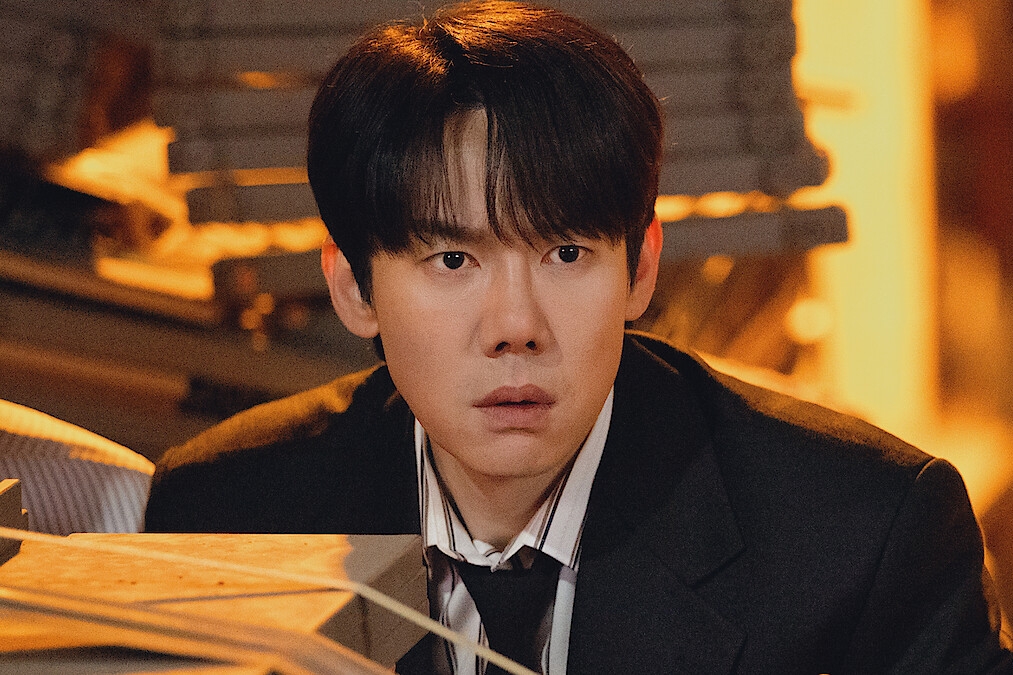
Phantom Lawyer Ratings Soar to New High + Other Drama Ratings Update
“Phantom Lawyer” Ratings Break Into Double Digits For New All-Time High
South Korean legal fantasy series “Phantom Lawyer,” starring Yoo Yeon Seok and Esom, has surged to a record-breaking 10.0% average nationwide viewership on March 21st, becoming the most-watched miniseries of the week and dominating the key 20-49 demographic with a 3.5% rating. The SBS TV production, streaming on Netflix, Viki and Viu, is rapidly becoming a cultural phenomenon, challenging established dramas and prompting a scramble for ancillary revenue streams.
The success of “Phantom Lawyer” isn’t merely a ratings win. it’s a signal of shifting preferences within the K-drama landscape. Even as traditional melodramas like KBS 2TV’s “Recipe for Love” continue to draw a loyal audience (13.2% nationwide rating), the appetite for genre-bending narratives – legal thrillers infused with supernatural elements – is demonstrably growing. This trend presents both opportunities and challenges for production companies, and distributors. The show’s premise, a lawyer gaining the ability to see and be possessed by ghosts, taps into a fascination with the afterlife and a desire for narratives that move beyond conventional courtroom dramas. This represents a calculated risk that’s paying off, but it too raises questions about the sustainability of such high-concept premises.
The competitive landscape is feeling the pressure. MBC’s “In Your Radiant Season,” nearing its finale, saw its ratings dip to 2.5%, while JTBC’s “The Practical Guide to Love” managed 4.0% and tvN’s “Mad Concrete Dreams” fell to 2.6%. These figures underscore the dominance “Phantom Lawyer” currently holds, but also highlight the increasingly fragmented nature of the Korean television market. The need for robust marketing strategies and compelling content is paramount, and studios are increasingly turning to specialized firms to navigate this complex terrain. A show’s success hinges not just on its creative merits, but on its ability to cut through the noise and capture audience attention – a task where entertainment marketing and PR agencies play a crucial role.
“The success of ‘Phantom Lawyer’ demonstrates a clear appetite for innovative storytelling in the K-drama market. Viewers are craving something fresh, something that blends familiar tropes with unexpected twists. This is a trend we’re seeing globally – audiences are becoming more sophisticated and demanding more from their entertainment.”
– Dr. Hana Kim, Media Studies Professor, Seoul National University
The show’s strong performance in the 20-49 demographic is particularly noteworthy. This age group is highly sought after by advertisers, and their engagement with “Phantom Lawyer” translates directly into increased advertising revenue for SBS. The series’ availability on multiple streaming platforms – Netflix, Viki, and Viu – further expands its reach and potential for monetization. However, this multi-platform distribution also introduces complexities regarding intellectual property rights and revenue sharing agreements. Navigating these legal intricacies requires expert counsel, and production companies are increasingly relying on specialized intellectual property law firms to protect their assets and maximize their returns.
The Streaming Impact & Backend Gross Potential
The decision by Netflix to acquire weekly streaming rights to “Phantom Lawyer” is a strategic move that underscores the growing importance of the Korean drama market to global streaming giants. As detailed in a recent Netflix Tudum article, the series is being released weekly, mirroring the traditional broadcast model and creating a sense of anticipation among viewers. This approach differs from the “binge-release” strategy favored by some platforms, and suggests that Netflix is experimenting with different distribution models to optimize engagement. The backend gross potential for “Phantom Lawyer” is significant, extending beyond initial broadcast and streaming revenue to include syndication rights, merchandise sales, and potential adaptations for other markets. Successfully managing these revenue streams requires a sophisticated understanding of international licensing agreements and distribution channels, a service provided by international media licensing consultants.
The show’s success also highlights the importance of casting. Yoo Yeon Seok, already a popular actor thanks to his role in “Hospital Playlist,” brings a dedicated fanbase to the series. Esom, known for her work in “Kill Boksoon,” adds further star power. The strategic casting choices demonstrate a keen understanding of audience preferences and the power of celebrity endorsements. Talent agencies are playing an increasingly crucial role in shaping the success of K-dramas, and securing top-tier actors is often a key factor in attracting investment and generating buzz.
The narrative itself, a blend of legal drama, fantasy, and comedy, is proving to be a winning formula. The premise of a lawyer possessed by ghosts allows for a unique and unpredictable storyline, while the legal framework provides a grounding element that resonates with viewers. The show’s ability to balance these disparate elements is a testament to the skill of the writers, Kim Ga-young and Kang Cheol-gyu, and the director, Shin Joong-hoon. The show’s success is a reminder that compelling storytelling remains the most important ingredient in any successful entertainment property.
“Phantom Lawyer” isn’t just a television show; it’s a cultural touchstone, a testament to the creative energy and innovative spirit of the Korean entertainment industry. Its success will undoubtedly inspire other productions to push boundaries and explore new genres, further solidifying Korea’s position as a global leader in television content. As the series continues its run, it will be fascinating to see how it evolves and what impact it has on the broader media landscape. The industry is watching closely, and the lessons learned from “Phantom Lawyer” will undoubtedly shape the future of K-drama production and distribution.
Disclaimer: The views and cultural analyses presented in this article are for informational and entertainment purposes only. Information regarding legal disputes or financial data is based on available public records.