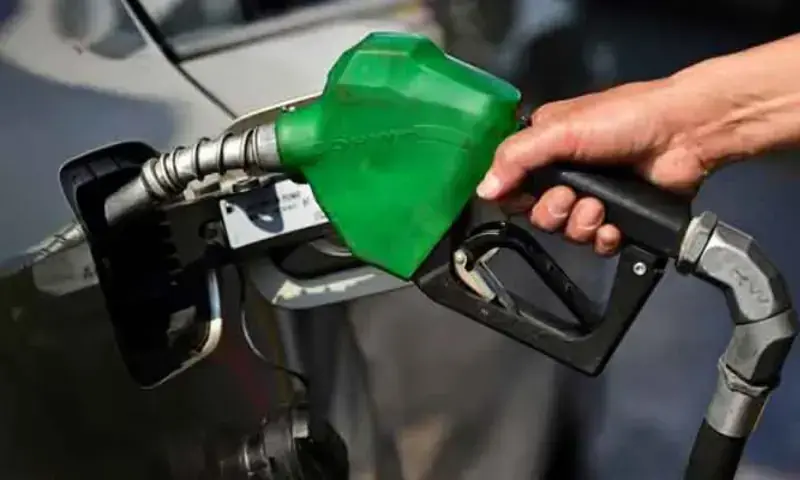
Petrol Price Decreased, Diesel Price Increased in New Government Update
The Pakistani government decreased the price of petrol by Re1 and increased the price of high-speed diesel by Rs3.77 per litre, according to a Petroleum Division notification issued on Monday. The adjustment responds to fluctuating global oil prices driven by renewed hostilities in the Persian Gulf, setting the new rate for petrol at Rs334.18 per litre and high-speed diesel at Rs386.83 per litre for Tuesday.
Market Trajectory and Fiscal Pressures
Global energy markets remain volatile following renewed military conflict between the United States and Iran that escalated sharply in late February. According to official market tracking, high-speed diesel previously peaked at Rs520.35 per litre on April 3, climbing rapidly from a pre-conflict baseline of Rs281 per litre recorded after hostilities broke out on February 28. Petrol traced a similar upward trajectory, reaching a high of Rs458.41 per litre on April 3 after starting March at Rs266 per litre.
Government revenue structures heavily depend on these petroleum products. Current fiscal collections show the state charging a total of Rs110 per litre in taxes and duties on petrol, alongside Rs96 per litre on diesel. Combined monthly sales volumes for both products hover between 700,000 and 800,000 tonnes, contrasting sharply with the modest 10,000-tonne monthly demand for kerosene.
Operational Shift to Daily Price Adjustments
Petroleum Minister Ali Pervaiz Malik announced that fuel prices will now be fixed on a daily basis. The federal cabinet and the prime minister authorized this mechanism to transfer international market fluctuations directly to domestic consumers without multi-day lag periods. This transition replaces the weekly revisions maintained since early March alongside broader state energy conservation measures.
The shift to daily pricing faces sharp pushback from commercial stakeholders. The All Pakistan Dealers Association rejected the daily pricing policy outright, announcing plans to organize a formal protest campaign during the week. Private transport operators, small vehicle owners, rickshaw drivers, and two-wheeler operators absorb the direct cost of petrol price fluctuations, which heavily impact middle and lower-middle-class household budgets. Meanwhile, diesel price movements alter operational overhead for heavy transport fleets, commercial power plants, and industrial generators.
Corporate Risk Management and Compliance
Navigating an unpredictable energy market requires disciplined financial planning and proactive stakeholder management.