Petrol and Diesel Prices Drop as RLNG Rates Hit Record High
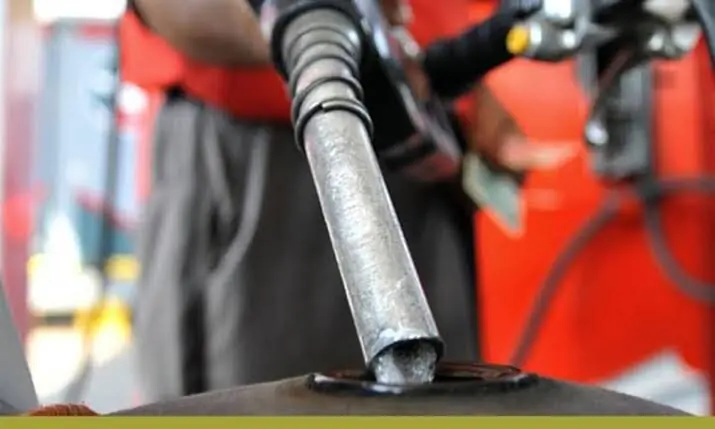
The Pakistani government reduced petrol prices by 12 paisas to retail at Rs336.03 per litre, while high-speed diesel dropped by 66 paisas to cost Rs392.38 per litre for the three-day period spanning August 1 to August 3, according to a Petroleum Division notification. State levies remain fixed at Rs110 per litre on petrol and Rs96 per litre on diesel, sustaining critical revenue streams even as international markets face acute supply volatility.
The Domestic Fuel Price Adjustments and Tax Structure
State revenues rely heavily on petroleum products, with combined monthly sales ranging between 700,000 and 800,000 tonnes against a modest 10,000-tonne demand for kerosene. Petrol serves private transport, small vehicles, rickshaws, and two-wheelers, directly influencing middle and lower-middle-class household budgets. Diesel underpins the heavy transport sector, industrial power plants, and large generators. These commodities retreated from severe highs recorded on April 3, when diesel peaked at Rs520.35 per litre and petrol reached Rs458.41 per litre following supply shocks that began on February 28.
Petroleum Minister Ali Pervaiz Malik announced a shift toward daily fuel price determinations by the Oil and Gas Regulatory Authority to reflect rapid international market fluctuations. This operational pivot responds to ongoing Middle East supply disruptions. The All Pakistan Dealers Association immediately rejected daily pricing adjustments, signaling upcoming protest plans.
Record LNG Surges and Power Generation Pressures
Concurrently, the Oil and Gas Regulatory Authority notified a 32 percent increase in regasified liquefied natural gas prices for August, pushing rates to $25.83 per mmBtu for SNGPL and $25.09 per mmBtu for SSGCL. This escalation establishes a retail price of Rs7,204 per mmBtu. The rate derives entirely from five imported spot market cargoes because no shipments could be secured from Qatar amid the ongoing US-Iran conflict. This increase represents the largest single-month jump in RLNG rates in the history of the program, compounding a previous 15 percent hike to $19.52 per mmBtu in July from a baseline of $10.45 per mmBtu in February.
Fuel costs for power generation react sharply to these structural energy inputs. RLNG-based generation costs reached Rs31 per unit in May, up significantly from Rs13.72 per unit in April. Energy-intensive enterprises facing margin compression from these utility spikes frequently retain to restructure operational overhead and negotiate alternative power purchase agreements.
Navigating Market Instability Through Strategic Advisory
Shifting pricing mechanisms and unprecedented gas tariffs force industrial and commercial operators to reevaluate working capital strategies. Supply chain managers and corporate treasuries face compressed EBITDA margins as energy expenses dictate input costs across manufacturing and logistics sectors. Organizations seeking to insulate operations from volatile commodity pricing must consult with to establish robust hedging frameworks and long-term risk mitigation protocols.