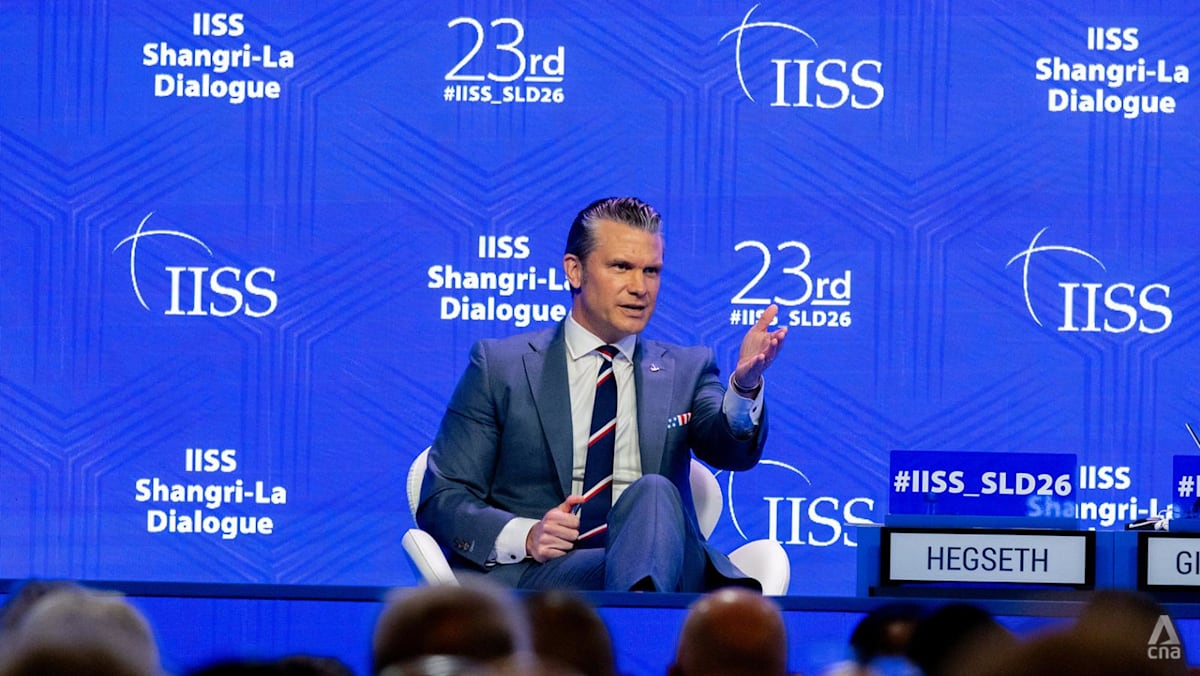
Pete Hegseth Urges Allies to Boost Defense Spending Amid China’s Buildup
Pete Hegseth Urges Asian Allies to Boost Defense Spending Amid China’s Military Expansion
Pete Hegseth, U.S. Secretary of Defense, has called on Asian allies to increase defense budgets, citing concerns over China’s growing military presence in the Indo-Pacific. His remarks at the Shangri-La Dialogue in Singapore highlight escalating regional tensions and the U.S. Push for collective security measures. The move underscores Washington’s strategic pivot to counter Beijing’s influence, with implications for global defense contracts and geopolitical alliances.
The Strategic Context: A Shift in Regional Security Dynamics
Hegseth’s statements during the Shangri-La Dialogue, a premier security forum, reflect a broader U.S. Strategy to strengthen partnerships in the Indo-Pacific. His emphasis on “burden-sharing” aligns with longstanding calls for Asian nations to contribute more to regional stability. The U.S. Has long argued that China’s militarization of the South China Sea and its rapid modernization of the People’s Liberation Army (PLA) necessitate a coordinated response.

Historically, the U.S. Has shouldered the bulk of defense costs in the region, but recent budget constraints and shifting priorities have prompted calls for greater regional participation. Hegseth’s speech echoed this sentiment, stating, “China’s aggressive posture demands a unified front. Allies must invest in their own security while reinforcing our shared interests.” [CNA]
Regional Implications and Economic Ramifications
The call for increased defense spending has immediate implications for countries like Japan, South Korea, and Australia, which have historically relied on U.S. Security guarantees. Japan, for instance, has pledged to raise its defense budget to 2% of GDP by 2027, a target that aligns with U.S. Expectations. [Japan Times] However, smaller nations such as the Philippines and Vietnam face challenges in balancing defense needs with economic priorities.