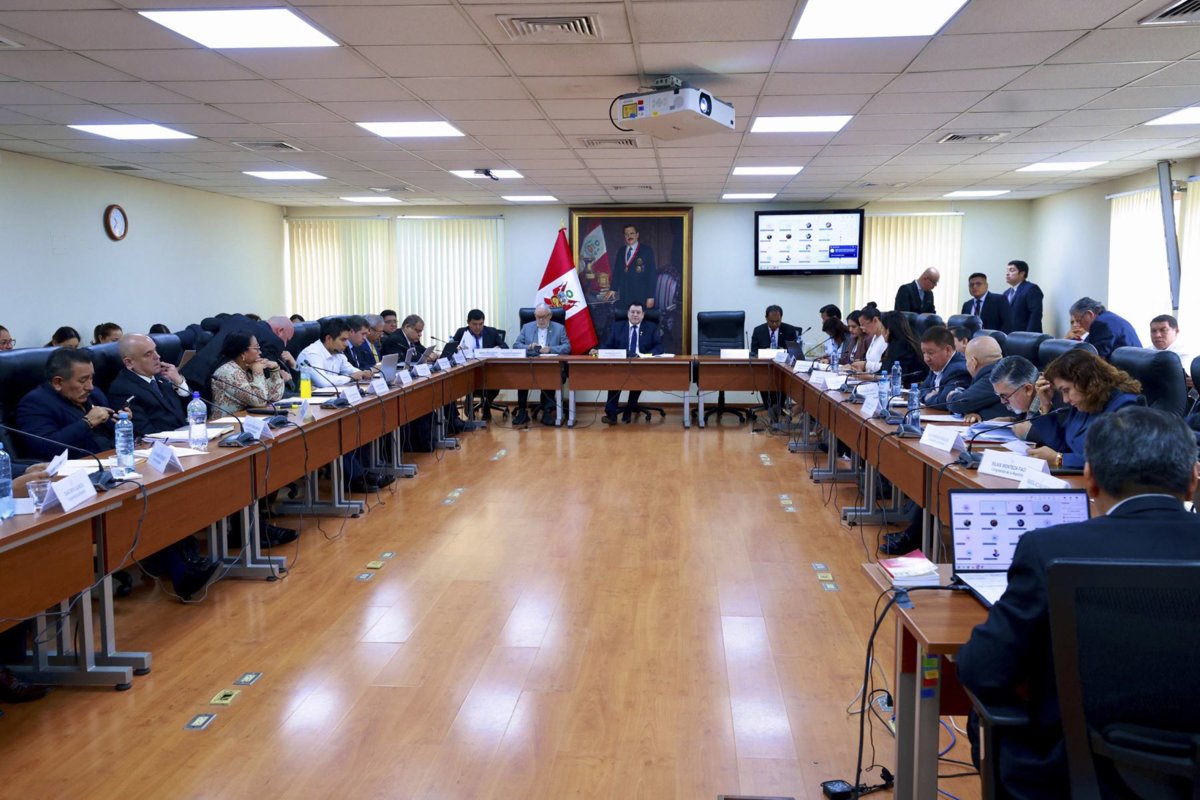
Peruvian Congress Debates Executive’s Controversial Budget Credit Bill (PL 14799/2025-PE)
Peru’s Congressional Budget Committee is scheduled to resume deliberations this Tuesday regarding Executive Bill 14799/2025-PE, a supplemental credit request aimed at financing urgent public expenditures. The legislative push comes as the administration seeks to stabilize fiscal liquidity and address outstanding obligations across several administrative sectors before the close of the current fiscal period.
The Mechanics of Fiscal Supplemental Credits
Supplemental credits serve as a critical instrument for the executive branch to adjust budget allocations when initial projections face unforeseen volatility. According to the Ministry of Economy and Finance (MEF), these adjustments are frequently required to cover inflationary pressures on public works or to address sudden shifts in the macroeconomic landscape. The current bill, under scrutiny by the Congressional Budget Committee, necessitates a rigorous audit of the proposed expenditure to ensure that the marginal utility of each allocated sol is maximized.

For private sector firms, legislative delays in budget approval often trigger a cascade of liquidity constraints. When the state postpones payments for public infrastructure or service contracts, the private entities involved must often bridge the gap through short-term financing. Firms facing these payment bottlenecks frequently engage specialized corporate credit advisory services to manage working capital risks and maintain operational continuity.
Evaluating the Economic Impact of Bill 14799/2025-PE
The debate centers on whether the proposed supplemental credit will stimulate regional economic activity or exacerbate current fiscal deficits. Historical data from the Central Reserve Bank of Peru (BCRP) indicates that public spending remains a primary driver of GDP growth in the short term. However, institutional investors are increasingly wary of the impact such credits may have on the country’s sovereign debt-to-GDP ratio.

“Market participants are closely watching the fiscal impulse generated by these supplemental measures. Any deviation from the established fiscal rule, even if legally permissible via emergency decree, can lead to a widening of risk spreads and a subsequent rise in the cost of corporate debt,” notes a senior strategist at a Lima-based financial consultancy.
Managing the regulatory compliance associated with government contracts requires high-level oversight. As these legislative debates unfold, businesses with significant exposure to public sector procurement often seek guidance from top-tier administrative law firms to mitigate risks related to contract modifications and payment delays.
Strategic Considerations for Institutional Stakeholders
The legislative calendar is unforgiving. If the Budget Committee fails to reach a consensus on the 14799/2025-PE proposal, the executive may be forced to rely on more restrictive budgetary reallocations, potentially disrupting the supply chains of various contractors. Analyzing the Congressional record, it is evident that the opposition is focusing on the technical justification for the specific budget items requested.
Investors should note the following three factors currently impacting the market:
- Liquidity Timing: The duration of the legislative process directly correlates with the timing of cash inflows for infrastructure projects.
- Fiscal Discipline: The extent to which the committee mandates transparency in the allocation of these funds will influence investor sentiment regarding long-term fiscal sustainability.
- Operational Risk: Companies failing to hedge against payment delays during legislative stalemates face increased EBITDA volatility.
Navigating Legislative Uncertainty
The intersection of politics and public finance remains the primary friction point for mid-to-large cap companies operating in Peru. As the committee resumes its work on Tuesday, the focus will remain on the specific fiscal impact of the bill. Firms that proactively assess their exposure to public budget shifts are better positioned to maintain margin stability.

For organizations looking to optimize their financial resilience during periods of legislative volatility, connecting with the right strategic partners is essential. Whether the requirement involves sophisticated treasury management or high-stakes regulatory advocacy, our Global Directory of B2B providers offers access to vetted experts capable of navigating the complex terrain of public sector finance and corporate governance.