
Virtual Betting Houses in Peru Face Regulatory uncertainty, Appeal to congress
Peru’s burgeoning online sports betting industry is locked in a dispute with teh government over the application of the selective consumption tax (ISC), creating a precarious situation for operators and perhaps jeopardizing state revenue. The conflict centers on Legislative Decree 1644,issued by the Ministry of Economy and Finance (MEF),which mandates that all online sports betting platforms – including those of foreign companies – pay the ISC.
Operators argue the tax increases costs for consumers, while the government maintains there is no regulatory gap concerning the ISC for remote gaming and sports bets offered by non-domiciled companies.
In June, Congress attempted to address concerns with an approved draft law aiming to correct the tax application on both national and foreign platforms. The draft also sought to criminalize the manipulation of sports results, a growing concern within the iGaming sector. However, the government swiftly observed the draft law, citing its disagreement with the assertion of a regulatory vacuum.
This observation has opened the door for legal challenges from betting houses, according to former President of the Constitutional Court, carlos Messiah.He suggests that if these challenges are successful, the state could be compelled to refund millions of soles collected through the ISC, considerably impacting public finances.
Tax experts warn that Decree 1644 may be unconstitutional and counterproductive, potentially driving the industry towards informality. this echoes a previous situation with streaming services like Netflix and HBO, where increased rates to cover taxes led to a rise in pirate services and ultimately reduced tax income. An expansion of the informal betting market would leave the state with diminished resources and limited oversight.
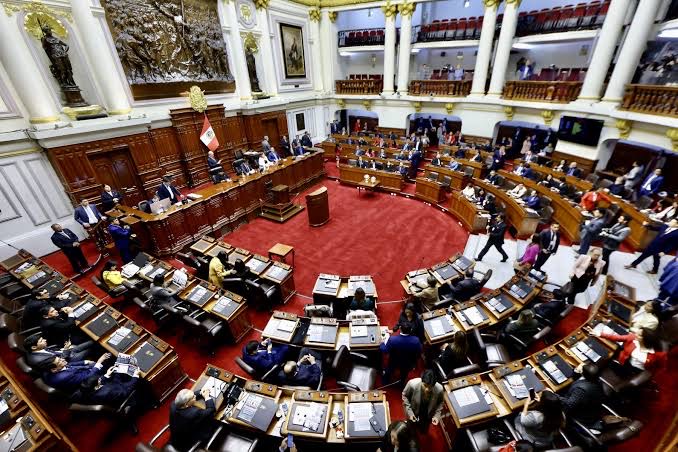
The future of online sports betting in Peru now rests with Congress. A vote to approve the draft law by insistence could offer relief to operators and users. Otherwise, the dispute will likely move to the judicial system, creating uncertainty around both the collection and regulation of this rapidly expanding multi-million dollar industry.
