Peru Declares State of Emergency in Five Districts Following 7.2 Earthquake
Following a 7.2-magnitude earthquake on August 20, 2026, the Peruvian government officially declared a 60-day state of emergency on August 23 across five districts in the southern Andean region of Ayacucho. According to reports from official state gazettes and regional tracking cited by international news agencies, the disaster has left nearly 500 people affected, three injured, and dozens of residential and public structures damaged.
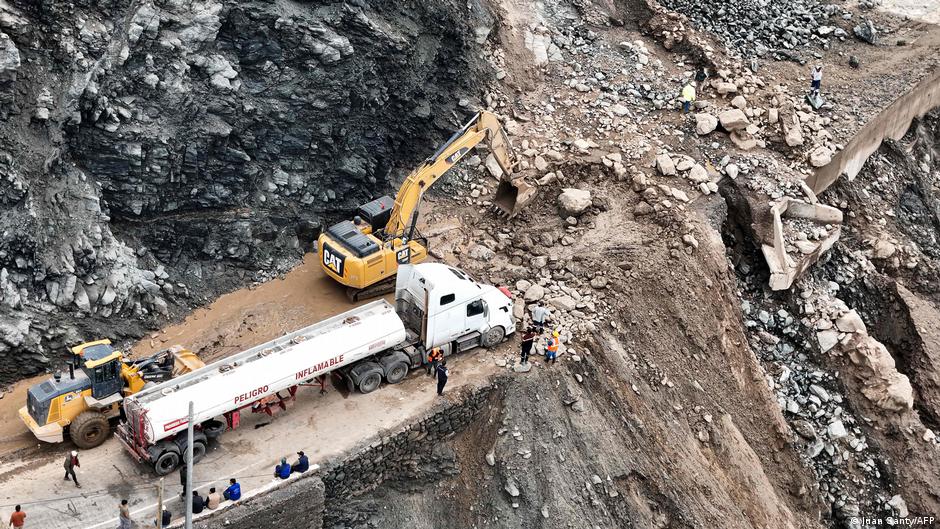
Disaster response frameworks are currently being tested across high-altitude terrain. The executive decree, published in the official newspaper El Peruano, covers four districts within the Parinacochas province—Chumpi, Coracora, Pullo, and Upahuacho—alongside the district of Carapo in the Huanca Sancos province. Local authorities report that the tremor compromised 83 residential homes, roughly twenty educational facilities, several healthcare units, local public infrastructure, and vital transport routes.
Institutional Response and Institutional Coordination Across Ayacucho
Emergency management protocols are now active under the direct supervision of the regional administration. The disaster response is spearheaded by the Regional Government of Ayacucho alongside municipal authorities. Technical coordination and oversight are managed by the National Civil Defense Institute, known by its Spanish acronym Indeci.
The operational scope involves multiple government ministries, including the Ministry of Health, the Ministry of Education, the Ministry of Housing, Construction and Sanitation, the Ministry of Transport and Communications, the Ministry of the Interior, and the Ministry of Defense. Additional portfolios such as Agrarian Development and Irrigation, Energy and Mines, Labor, Women and Vulnerable Populations, and Development and Social Inclusion are also contributing to the coordinated framework.
Financial mechanisms for this 60-day exception period rely entirely on existing institutional budgets. The statutory decrees explicitly state that the emergency measures will be funded through the current institutional budgets of the involved entities, demanding no additional resources from the public treasury.
Assessing structural integrity and securing physical assets in disaster zones often demands third-party verification.
Seismic Activity Context and Regional Vulnerability
The August 20 earthquake is part of a broader seismic pattern recorded throughout Peru during 2026. Data from the Centro Sismológico Nacional (CENSIS), developed by the Instituto Geofísico del Perú (IGP), indicates that Peru has registered 568 earthquakes across various regions since January.

July proved to be particularly intense, accounting for 115 individual seismic events. Hernando Tavera, head of the IGP, noted in reports that the regions that present a higher report of teluric movements are Lima, Arequipa, Ica—the site of a devastating 2007 earthquake that claimed 500 lives—and the northern department of Piura.
The recent Ayacucho tremor follows another fatal seismic event in the central Andes. On July 18, a 5.4-magnitude earthquake struck Junín, resulting in five fatalities and destroying dozens of rural homes across the provinces of Chupaca and Huayucachi.
Secondary hazards continue to threaten adjacent infrastructure. In Cusco, regional authorities are actively evaluating the closure of the trekking route leading to Humantay Lagoon following ice detachment triggered by the 7.2-magnitude tremor.
Managing sudden logistical bottlenecks and asset relocations during active geological crises requires robust corporate preparedness.
Supply Requirements and Regional Logistics
The regulatory framework allows for targeted donations and rapid-deployment logistics to stabilize the affected populations. According to government guidelines outlined in regional reports, priority goods designated for donation include medical materials, pharmaceuticals, sunscreens, vaccines, specialized medical equipment, insect repellents, food supplies, beverages, and winter textiles.

Infrastructure rehabilitation also demands heavy equipment and technical supplies. Official rosters specify the need for machinery, electric generators, liquid fuels, diesel, construction materials, portable water treatment plants, transistor radios, batteries, and UHF/VHF communication radios, alongside tents, tarps, and sleeping bags.
With the 60-day emergency window underway, the immediate priority remains the rehabilitation of transit routes and the delivery of shelter and medical supplies to the affected communities in Parinacochas and Huanca Sancos. Long-term economic resilience across Peru’s southern corridor will depend on how effectively regional authorities and private stakeholders integrate seismic risk mitigation into ongoing infrastructure investments.