
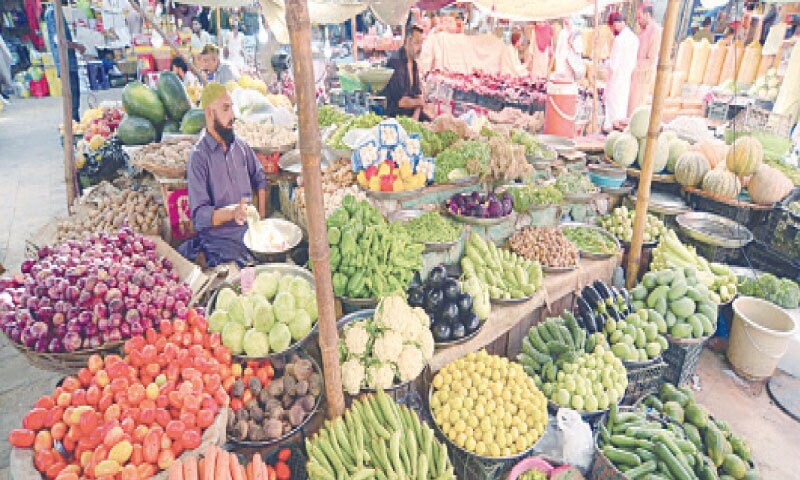
Perishable Food Costs Drive 5.07pc Rise in Weekly Inflation
Islamabad – Pakistan’s short-term inflation, as measured by the Sensitive Price Index (SPI), increased by 5.07% year-on-year in the week ending September 4th, primarily due too significant price hikes in perishable food items.This marks the seventh consecutive week of rising SPI inflation, impacting household budgets across the country.
the surge in inflation reverses a period of stability seen earlier in the year, despite a comparatively high base from last year. Sharp increases in the cost of essential goods like tomatoes,onions,potatoes,rice,chicken,LPG,and wheat flour are the main contributors to the upward trend. Week-on-week inflation rose by 1.29%, according to official data released Friday.
Tomatoes experienced the most dramatic price increase, retailing for as much as Rs300 per kilogram in Islamabad. Sugar prices also climbed, reaching Rs195-200 per kilogram, while meat prices continued their steady ascent.
SPI Trends & Key Price changes
The SPI, which tracks 51 essential items across 50 markets in 17 cities, revealed a mixed bag of price movements. During the week, tomatoes saw a 46.03% increase, wheat flour rose by 25.41%, and onions increased by 8.57%.Other notable increases included basmati broken rice (2.62%), garlic (2.04%), potatoes (1.38%), and LPG (0.88%).
Conversely, prices for bananas decreased by 3.86%, followed by diesel (0.91%),sugar (0.13%), and mustard oil (0.10%).
Year-on-Year Inflation Breakdown
Looking at annual changes, tomatoes led the increases with a surge of 83.45%.Other significant year-on-year price hikes included ladies’ sandals (55.62%), wheat flour (30.27%),gas charges for Q1 (29.85%), and sugar (27.43%).
However, some commodities saw annual price declines. Onions dropped by 47%, garlic by 25.50%, and potatoes by 19.25%.
The SPI previously declined in March following 11 straight weeks of inflation above 40%, which began on November 8, 2023. Weekly inflation peaked at 48.35% in early May 2023 before easing to 24.4% in late august, only to climb again past 40% by mid-November 2023. During the latest reporting week, prices rose for 23 items, fell for four, and remained unchanged for 24.
