
Perimenopause symptoms start earlier than most women expect
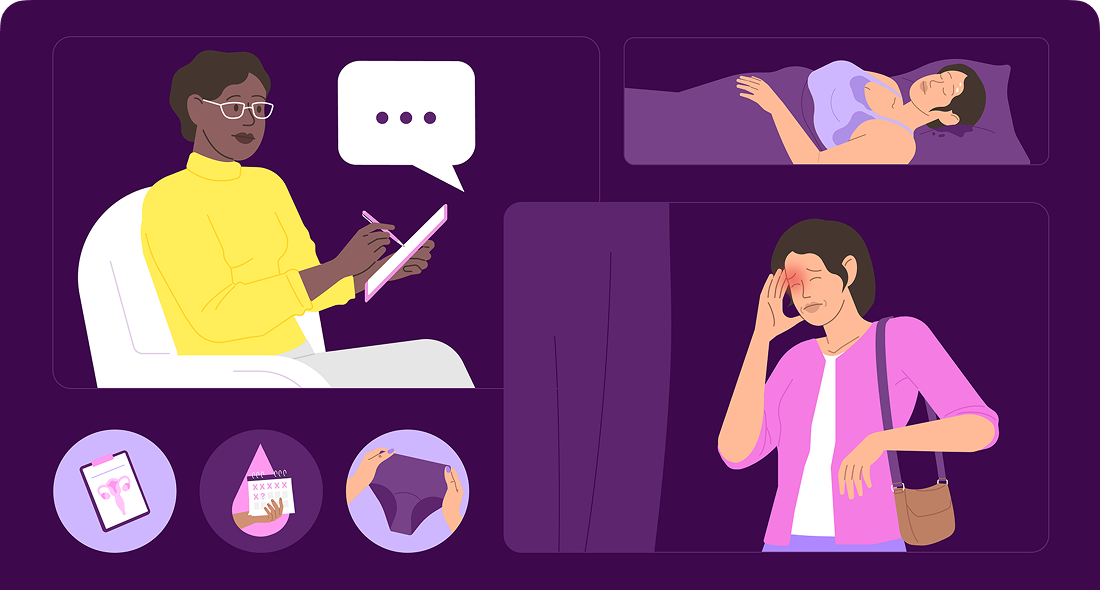
The first signs of perimenopause often arrive unexpectedly. For some women, nighttime sweating and a racing heart become early indicators of hormonal shifts—a phase that typically begins in the 40s, though it can start earlier. While the experience varies widely, the lack of open discussion has left many unsure of what to expect or how to respond.
For generations, menopause was rarely discussed in public, contributing to gaps in understanding. Recent studies indicate that while many women feel comfortable raising the topic with their doctors, far fewer feel fully informed about their options. The timing of preparation matters, as lifestyle choices made years before perimenopause may influence how smoothly women navigate the transition.
The Myth That Perimenopause Is Just About Hot Flashes
Ask most people to describe menopause, and they’ll mention hot flashes—those sudden waves of heat that can disrupt daily life. But the reality is far more complex. Dr. Alison Shea, a Hamilton-based obstetrician and gynecologist specializing in menopause, outlines symptoms that often go unnoticed: sleep disruption, irritability, vaginal dryness, recurrent urinary tract infections, joint pain, and changes in libido.
“Typical menopause symptoms include hot flashes and night sweats—also known as vasomotor symptoms (VMS)—as well as other symptoms like sleep disruption, depressed mood, irritability, vaginal dryness, recurrent urinary tract infections, joint pain, and low libido,” she explains. For some women, these symptoms are mild. For others, they can significantly affect work, relationships, and overall well-being. Research indicates that about 80% of women experience vasomotor symptoms, with roughly one in four facing severe cases that interfere with daily life.
Many women assume these changes are simply part of aging, leading them to endure discomfort rather than seek solutions. Studies suggest that a meaningful share of women experiencing VMS do not receive treatment, often because they are unaware that help exists. Even as awareness grows, cultural stigma persists, making it difficult for some to discuss their experiences openly with healthcare providers.
Dr. Jeremy London, a board-certified cardiothoracic surgeon with over 25 years of experience, emphasizes that menopause is a natural transition—not a medical condition. However, the choices women make earlier in life can influence how they feel in the years that follow. The message is clear: perimenopause is a gradual process, and lifestyle habits adopted in the 30s and 40s may play a role in easing or complicating the transition.
Why Exercise Isn’t Just About Weight—It’s About Resilience
When Jessica Magee, a physical therapist and board-certified specialist in women’s health, discusses exercise during menopause, she focuses on resilience rather than appearance. Exercise is not just beneficial; it plays a crucial role in managing menopause symptoms,
she says. Incorporating targeted movements into your daily routine could be a game-changer for improving physical and emotional well-being throughout the transition.
The benefits extend beyond physical fitness. Estrogen, which declines during perimenopause, supports heart health, brain function, and metabolism. As levels drop, women may face higher risks of high blood pressure, increased cholesterol, and visceral fat accumulation—factors that can elevate cardiovascular risk. Exercise, particularly strength training and aerobic activity, helps counteract these changes by improving circulation, maintaining muscle mass, and stabilizing mood.
Not all exercise is equally effective. Magee highlights swimming as a particularly useful option for women experiencing joint pain, a common complaint during perimenopause. Swimming is an excellent exercise choice for women navigating the challenges of menopause, particularly for those experiencing joint pain and discomfort,
she notes. The buoyancy of water reduces stress on joints while providing resistance that strengthens muscles without strain.
Pelvic floor exercises are another important but often overlooked tool. Hormonal changes can weaken these muscles, leading to urinary incontinence or pelvic organ prolapse. Magee recommends the Urge Suppression
technique—five to 10 quick contractions of the pelvic floor during moments of urinary urgency—to help reduce frequency and improve bladder control. For women with more severe symptoms, consulting a physical therapist specializing in women’s health may be beneficial.
The takeaway? Exercise isn’t optional during perimenopause—it’s a critical component of managing symptoms. But the most impactful habits are those built long before symptoms appear, laying the groundwork for a smoother transition.
The Long Game: How Habits in Your 30s Shape Your 40s and Beyond
Dr. London’s advice is straightforward: preparation should begin early. While it may seem premature to focus on menopause in your 30s, research suggests that the body’s risk profile shifts as estrogen declines. Cardiovascular disease, once rare in premenopausal women, becomes a leading health concern post-menopause. Bone density decreases, increasing the risk of osteoporosis, while metabolic changes can contribute to weight gain, particularly around the abdomen, which is linked to higher risks of diabetes and heart disease.
Hormones do more than regulate the menstrual cycle—estrogen influences heart health, brain health, and metabolic function. As levels drop, the body’s needs change. The solution isn’t to worry but to prepare. Small, consistent habits—such as regular strength training, a diet rich in calcium and vitamin D, and stress management techniques—can build resilience that pays off in later years.
Diet also plays a role. Foods high in phytoestrogens, like soy and flaxseeds, may help some women manage symptoms, though research on their effectiveness remains mixed. More important is a balanced diet that supports bone health, heart health, and stable blood sugar levels. Hydration is equally critical, as many women experience increased urinary frequency during perimenopause, and dehydration can worsen symptoms like headaches and fatigue.
Mental health is another key consideration. The emotional challenges of perimenopause—sleep disruption, mood swings, and irritability—can strain relationships and work performance. Experts recommend prioritizing sleep hygiene, mindfulness practices, and open conversations with partners and employers. For some, therapy or support groups can provide valuable support.
One of the biggest challenges isn’t a lack of information but the persistent cultural silence around menopause. Many women are taught to view it as a private struggle, something to endure quietly. This silence can prevent them from seeking the tools and knowledge they need to navigate the transition effectively.
When to Seek Help—and What to Ask For
For most women, perimenopause is inevitable—but the severity of symptoms varies widely. Dr. Shea’s advice is clear: if vasomotor symptoms are affecting quality of life, it’s time to consider treatment options. So, what does treatment look like?
Hormone therapy remains one of the most effective options for managing severe symptoms, particularly hot flashes and night sweats. Non-hormonal therapies, including recently approved medications, offer alternatives for women who cannot or prefer not to use hormones. Vaginal estrogen can help with dryness and urinary symptoms, while antidepressants like SSRIs have been shown to reduce the frequency and intensity of hot flashes in some women.
The key is to start the conversation early. Many women wait until symptoms become unbearable before seeking help, but proactive discussions with a healthcare provider can identify solutions before symptoms peak. Dr. Shea recommends tracking symptoms in a journal—recording when they occur, their severity, and their impact on daily life. This information can help doctors tailor treatment plans to individual needs.
For women who feel dismissed or unheard, finding the right provider is essential. Not all doctors are equally knowledgeable about menopause, and some may downplay symptoms as an inevitable part of aging. Organizations like the North American Menopause Society offer directories of certified menopause practitioners, making it easier to find a provider who takes the transition seriously.
The cultural shift around perimenopause is underway, with growing interest in the topic. Recent increases in online searches for perimenopause symptoms
reflect a demand for better information. The challenge now is ensuring that information is accurate, accessible, and free from stigma. Perimenopause isn’t a medical problem—it’s a natural phase of life that benefits from preparation, not silence.
Looking ahead: As awareness grows, so does the demand for better education and treatment options. The coming years may bring more research into non-hormonal therapies, workplace policies that accommodate menopausal symptoms, and public health campaigns aimed at reducing stigma. For now, the most powerful tool women have is knowledge—shared openly and without hesitation.