Pentagon Probe Discovers Hidden Classified Documents on Afghanistan Withdrawal
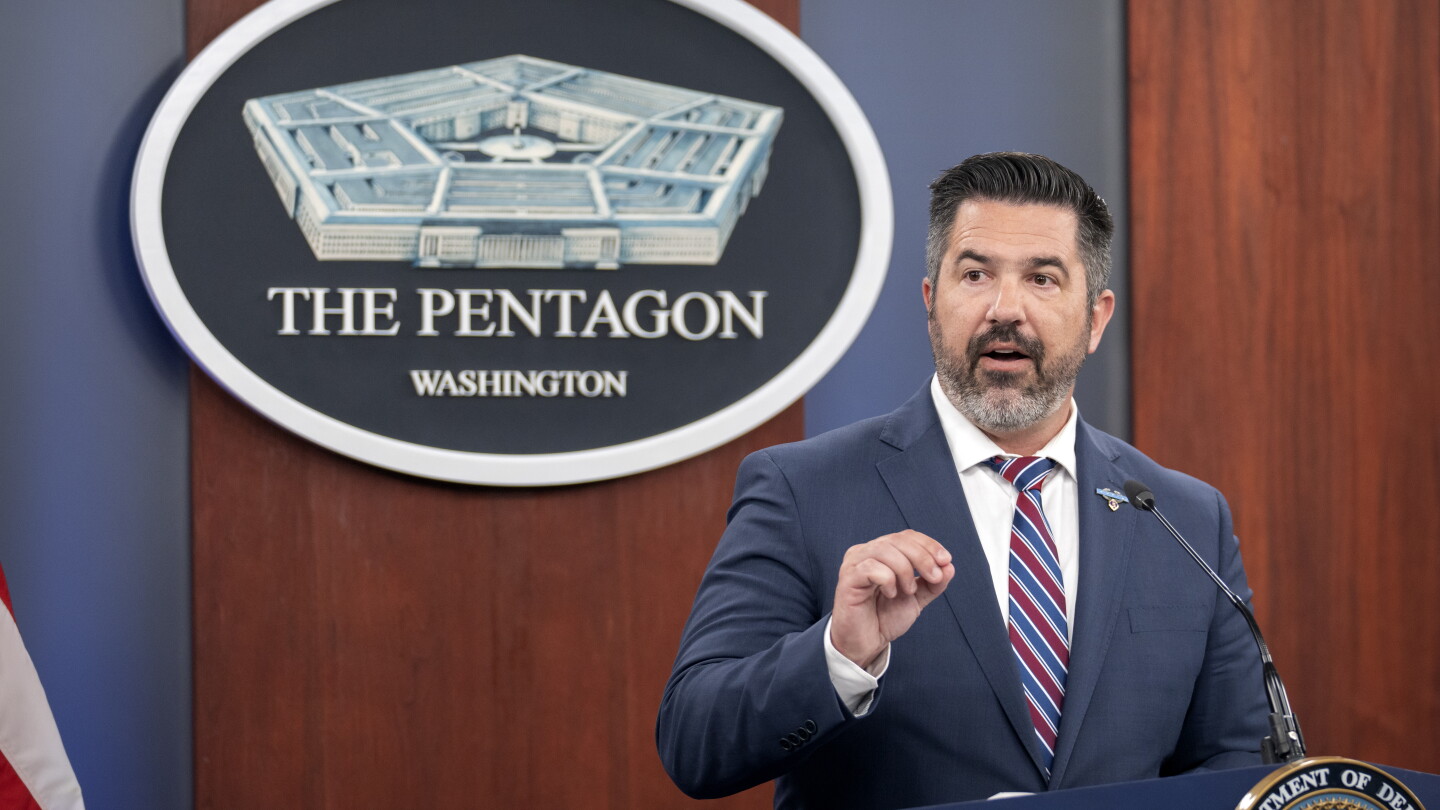
Investigators reviewing the chaotic 2021 U.S. military exit from Afghanistan have uncovered classified documents allegedly hidden in safes to evade previous inquiries, according to Afghanistan Withdrawal Special Review Panel Chairman Sean Parnell. The discovery, announced on the fifth anniversary of the Abbey Gate bombing, highlights fresh friction over transparency and records management during the final days of the evacuation from Kabul.
The newly recovered material was deliberately stashed away in secure containers where investigators would not find it, Parnell stated in a video release on X. According to Defense Secretary Pete Hegseth’s review panel, the files contain highly relevant classified information that should have been disclosed during earlier government probes. Parnell noted that after reviewing the documents, his team concluded it was immediately clear why someone tried to conceal them.
The panel has not yet specified the contents of the files, identified who hid them, or detailed whether the records directly implicate specific decisions made by the administration of former President Joe Biden. However, investigators confirmed they will follow the evidence wherever it leads. The disclosure arrives amid long-standing accusations from congressional Republicans that past officials withheld vital evidence regarding the rapid collapse of the Western-backed Afghan government.
The Background of the Abbey Gate Disaster and Congressional Scrutiny
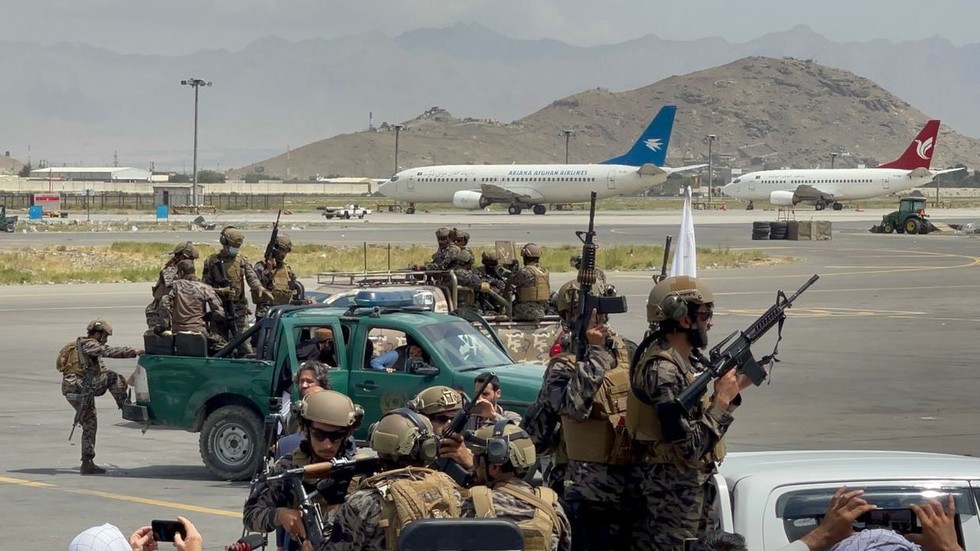
Thirteen U.S. service members and approximately 170 Afghans died when an ISIS-K suicide bomber struck the Abbey Gate entrance of Kabul airport. That blast punctuated a frantic evacuation that saw the Taliban seize control of the country after a 20-year American military presence. Images of desperate Afghans clinging to departing military transports became defining symbols of the withdrawal.
House investigators previously raised alarms that photographs, video, and other material from the evacuation were missing, deleted, or otherwise kept from congressional oversight. Lawmakers argued that Biden administration officials ignored intelligence warnings predicting a swift Taliban takeover and delayed initiating a full-scale rescue operation. Conversely, Biden officials maintained that the unexpectedly rapid collapse of Afghan security forces severely compressed their operational timeline, while denying any intentional cover-up.
Shifting Investigation Mandates Inside the Pentagon
The discovery of the hidden files marks a distinct operational shift from earlier congressional and executive branch reviews. In May 2025, Defense Secretary Pete Hegseth tasked Parnell with leading the Afghanistan Withdrawal Special Review Panel. Parnell argued in April that the previous Republican-led House probe, commissioned under former Defense Secretary Lloyd Austin, suffered from being over-classified at the highest levels, which kept critical information from public scrutiny.
Concurrently, the panel’s progress influenced related personnel decisions within the military. Hegseth recently hosted an event recognizing Marines with upgraded valor awards, noting that these service members should have received recognition earlier but did not because military records failed to fully reflect their actions before the new panel advanced its work.
The debate over military documentation and transparency also extends to internal agency oversight.
It remains unclear when the Afghanistan Withdrawal Special Review Panel will release its final findings to the public or whether the newly recovered safe documents will be formally declassified. As federal investigators continue examining millions of pages of military records, the full administrative history of the 2021 exit continues to evolve under heightened scrutiny.