Pennsylvania Supreme Court Rules Mandatory Minimum for Second-Degree Murder Unconstitutional
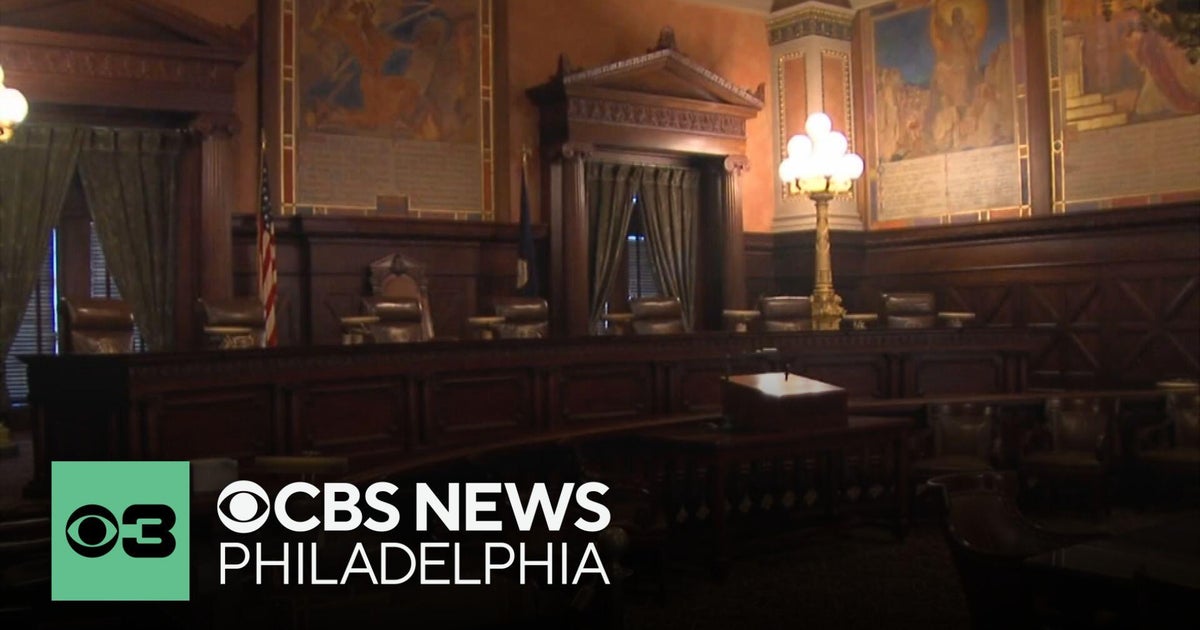
The Pennsylvania Supreme Court invalidated mandatory life sentences for second-degree murder convictions on Thursday, impacting potentially hundreds of incarcerated individuals and raising questions about sentencing reform across the US. The ruling, stemming from a challenge to the state’s sentencing guidelines, asserts that such rigid penalties fail to account for individual circumstances. This decision introduces significant legal uncertainty and potential litigation costs for the state, even as also creating a ripple effect for risk assessment firms and legal counsel specializing in post-conviction relief.
The Fiscal Fallout of Sentencing Uncertainty
The immediate consequence of the ruling isn’t simply a humanitarian one; it’s a fiscal event. Pennsylvania now faces a surge in re-sentencing hearings, appeals, and potential parole considerations. This translates directly into increased demand for legal services, particularly those specializing in appellate law and criminal justice reform. The state’s Department of Corrections will need to allocate resources for case review, psychological evaluations, and potentially, re-entry programs. The cost of prolonged legal battles and potential wrongful imprisonment claims could easily run into the tens of millions.
“This ruling isn’t just about individual liberty; it’s about fiscal responsibility. States need to move towards data-driven sentencing models that reduce the long-term burden on taxpayers while ensuring public safety.” – Eleanor Vance, Partner, Stonebridge Capital.
The broader implications extend to the insurance market. Liability insurance premiums for municipalities and law enforcement agencies could rise as the risk of civil suits related to wrongful convictions increases. This is particularly acute in states with similar mandatory sentencing laws. The Pennsylvania ruling is already being cited in challenges to sentencing guidelines in New Jersey and Michigan.
A Deep Dive into the Legal Landscape
The court’s decision hinged on the Eighth Amendment’s prohibition against cruel and unusual punishment. Justices argued that a mandatory life sentence, regardless of mitigating factors, constitutes a disproportionate penalty in many second-degree murder cases. Second-degree murder typically involves an intentional killing without premeditation, a distinction from first-degree murder which carries an automatic life sentence. The ruling doesn’t abolish life sentences altogether, but mandates that judges consider individual circumstances and impose sentences that are proportionate to the crime. According to the Pennsylvania Sentencing Commission’s 2024 Annual Report (available here), approximately 350 individuals are currently serving mandatory life sentences for second-degree murder in the state. The re-sentencing process will be complex and time-consuming, requiring a thorough review of each case file. This is where specialized legal expertise becomes invaluable.
The Rise of Risk Assessment and Legal Tech
The shift towards individualized sentencing is fueling demand for sophisticated risk assessment tools. These tools utilize algorithms and data analytics to predict the likelihood of recidivism, helping judges make more informed sentencing decisions. Companies like Northpointe and Equivoque offer these services to courts and correctional facilities. However, the use of these tools is not without controversy, as concerns have been raised about potential bias and inaccuracies.
This is where Legal Tech providers become critical. Firms specializing in AI-powered legal research and document review can streamline the re-sentencing process, identifying mitigating factors and potential legal challenges more efficiently. The need for robust data security and compliance with privacy regulations further elevates the importance of partnering with reputable technology vendors.
Impact on Corporate Legal Strategies
The Pennsylvania ruling also has implications for corporate legal strategies. Companies operating in states with similar sentencing laws need to assess their potential exposure to litigation risk. This includes reviewing their internal policies and procedures to ensure compliance with evolving legal standards.
| Metric | 2023 | 2024 (Projected) | 2025 (Projected) |
|---|---|---|---|
| Number of Second-Degree Murder Convictions (PA) | 450 | 420 | 380 (estimated due to deterrent effect of ruling) |
| Average Cost of Re-Sentencing Hearing (per case) | $15,000 | $20,000 (increased legal complexity) | $25,000 (potential appeals) |
| Projected Legal Services Spending (PA) | $6.75M | $8.4M | $9.5M |
The table above illustrates the projected increase in legal services spending in Pennsylvania as a direct result of the court’s decision. These figures are based on data from the Pennsylvania Bar Association and industry estimates. The rise in costs underscores the need for efficient legal solutions and proactive risk management.
The Role of Specialized Legal Counsel
Navigating this complex legal landscape requires specialized expertise. Law firms with a strong track record in criminal justice reform and appellate litigation are well-positioned to advise clients on their rights and options. Corporate Law Firms with robust white-collar defense practices are also seeing increased demand as companies seek guidance on potential legal risks.
“The Pennsylvania ruling is a wake-up call for states across the country. Sentencing reform is no longer a fringe issue; it’s a mainstream concern with significant economic and social implications.” – Marcus Chen, Managing Director, Blackwood Investments.
The Future of Sentencing and the B2B Opportunity
The Pennsylvania Supreme Court’s decision is a landmark ruling that will reshape the landscape of criminal justice in the state and beyond. It highlights the growing recognition that mandatory sentencing laws can be unjust and ineffective. The shift towards individualized sentencing creates a significant opportunity for B2B providers offering risk assessment tools, legal technology solutions, and specialized legal counsel. The coming fiscal quarters will see a surge in demand for these services as states grapple with the implications of this ruling and seek to reform their sentencing guidelines. The World Today News Directory is your gateway to identifying and connecting with the vetted B2B partners who can help you navigate this evolving legal and economic landscape. Don’t wait for the next legal shift to impact your bottom line – explore our directory today and secure the expertise you need to thrive in a rapidly changing world.