PennDOT says LSVs and boats require separate registrations
Pennsylvania low-speed vehicle owners face separate titling and registration paths for land and water operations, according to guidance outlined by PennDOT. Federal standards define low-speed vehicles as four-wheeled motor vehicles capable of speeds above 20 miles per hour but not exceeding 25 miles per hour on a paved level surface, with a gross vehicle weight rating under 3,000 pounds. These vehicles require headlamps, stop lamps, turn signals, taillamps, reflectors, parking brakes, rearview mirrors, windshields, seat belts, and a 17-digit vehicle identification number.
PennDOT Neighborhood Electric Vehicle Classifications
PennDOT distinguishes qualifying Neighborhood Electric Vehicles from other low-speed classifications. The state agency provides passenger-vehicle titling and a standard registration plate for qualifying models, while treating other low-speed vehicles as off-road equipment. State rules limit neighborhood electric vehicle operation strictly to roads posted at 25 miles per hour or less. Owners must also maintain required financial responsibility and meet specific state equipment mandates.
Separate Registration Protocols for Motorized Vessels
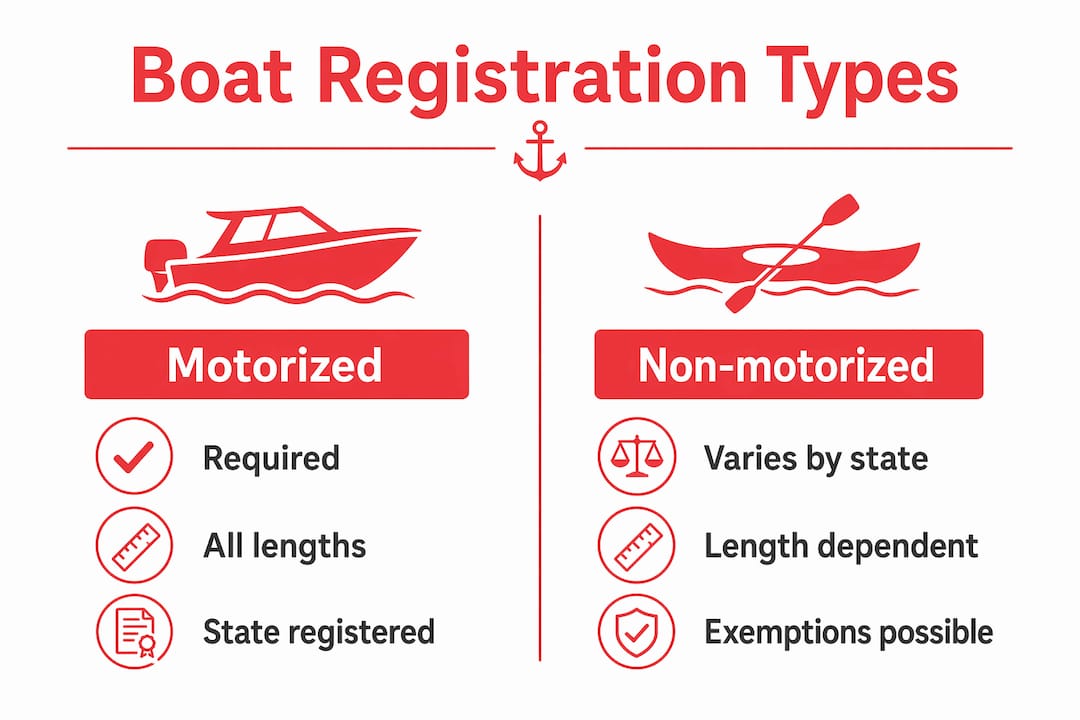
Water-going capabilities introduce a distinct regulatory framework. Motorized vessels require registration with the state marine or boating agency prior to public waterway use. This process relies on a Hull Identification Number to establish vessel ownership, keeping marine documentation entirely separate from the road vehicle’s 17-digit vehicle identification number. Issuing agencies determine verification methods for hull numbers, while registration terms and renewal schedules vary across jurisdictions.
State and Local Authorities Govern Road Access
Street-legal registration rules and operating requirements vary by state and local jurisdiction. Federal regulations under Federal Motor Vehicle Safety Standard No. 500 govern manufacturing standards through self-certification, but road access remains subject to state and local authorities. Drivers must confirm current requirements with state motor vehicle departments and local municipalities before operating amphibious vehicles on public roads or waterways.