Peggy Flanagan and Michele Tafoya Clash in First Minnesota U.S. Senate Debate
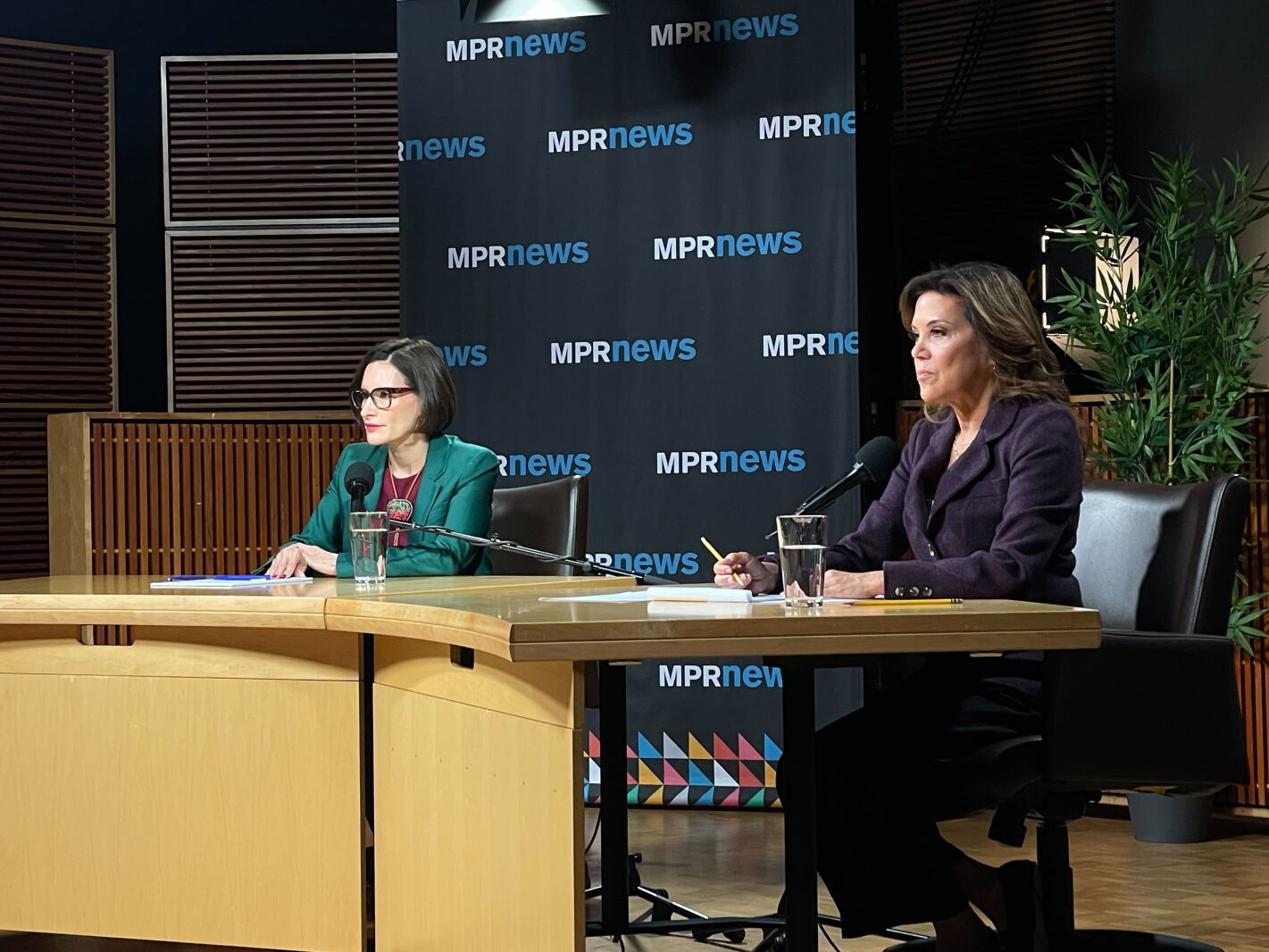
Democratic Lt. Gov. Peggy Flanagan and Republican Michele Tafoya traded sharp attacks on government fraud, abortion access, and Donald Trump during their first and only debate on Friday, Oct. 16, 2026, at MPR News in St. Paul ahead of the November 3 U.S. Senate election.
The St. Paul Debate Stage and Opening Clashes
Sticking firmly to established talking points, the two candidates vying for retiring U.S. Tafoya pressed Flanagan on administration oversight regarding pandemic and state relief fund fraud, while Flanagan countered by tying Tafoya to Donald Trump.
“I note that my opponent here has mentioned Donald Trump’s name, I don’t know how many times; I’ve lost count. Peggy, Donald Trump isn’t on the ballot. You and I are on the ballot.”
That exchange set the tone for an hour-long forum that highlighted the intensifying national interest in Minnesota’s Senate race, a contest that Senate Majority Leader John Thune noted during an Oct. 5 visit has drawn unusual Republican focus this cycle.
Republican Distance from Trump and Foreign Policy Disagreements
Recent weeks have seen Tafoya working to distance herself from Trump despite an unofficial endorsement he issued on Monday. During the debate, Tafoya reiterated her opposition to the Iran War, criticized the handling of Operation Metro Surge, and stated that Trump “missed the mark” on a recent Russian diesel purchase. When asked directly if she would campaign alongside Trump should he visit Minnesota before the election, Tafoya declined to give a yes-or-no answer.
Flanagan dismissed these policy departures as political expediency. Pointing out her own long-standing opposition to the Iran War, Flanagan argued that Tafoya was attempting to reinvent herself because the conflict remains deeply unpopular.
On foreign policy in the Middle East, the candidates split sharply. Flanagan labeled the situation in Palestine a “genocide” and stated she would oppose any further U.S. military aid to Israel. Tafoya countered that she stands firmly with Israel and the local Jewish community, asserting that applying the term genocide to the conflict is a severe misrepresentation.
Flanagan Deflects Responsibility for Fraud Scandals
The debate turned contentious when the discussion shifted to state administration oversight. Asked whether she bore any personal responsibility for multi-million-dollar fraud scandals unfolding during her tenure as lieutenant governor, Flanagan deflected the question to Gov. Tim Walz. She stated that the governor had taken clear responsibility for executive oversight while highlighting her own legislative focus on paid family and medical leave, child tax credits, and school nutrition programs.
Tafoya rejected that explanation outright, characterizing Flanagan’s response as finger-pointing. She was second in charge in this state, and she’s just going to point her finger at Gov. Tim Walz,
Tafoya said during post-debate media availability. Suddenly she has nothing to do with this. My goodness! Sell it to someone else.
Tafoya Defends Her Abortion Rights Stance
Abortion policy emerged as another central flashpoint. Tafoya, who has recently aired campaign advertisements positioning herself as a pro-abortion-rights Republican, faced persistent questioning regarding her definition of reasonable access up to 12 weeks. She declined to elaborate beyond stating that reasonable access is reasonable access, while maintaining that Minnesota’s current abortion laws are settled and that she holds no ambition to alter them from the U.S. Senate.
Acknowledging friction with conservative members of her own party over her stance, Tafoya turned the pressure back on her opponent. She challenged Flanagan to identify instances where the Democratic candidate had ever broken ranks with the progressive wing of her own party.
Candidates Agree on Eliminating Certain Taxes
Despite deep ideological divisions, the candidates found notable common ground on several tax proposals. Both Flanagan and Tafoya expressed support for eliminating taxes on tips and overtime pay, as well as exempting Social Security benefits from taxation.
The discussion turned contentious regarding the long-term solvency of Social Security, which federal projections indicate faces depletion by 2032. Flanagan advocated for raising the income cap to secure funding, whereas Tafoya argued that the complex issue could not be resolved within the constraints of a debate format.
Moving forward, this MPR News encounter stands as the sole scheduled face-to-face debate between the two candidates before voters head to the polls on Nov. 3, 2026.