
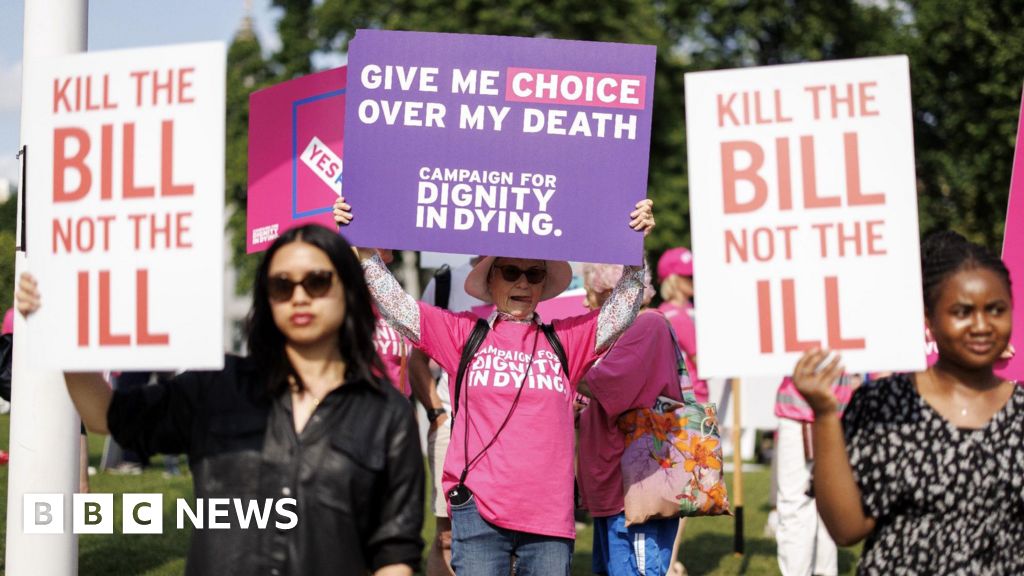
Assisted Dying Bill Faces Tight Timeline as Lords debate Intensifies
The House of Lords is grappling with a critical decision regarding the assisted dying bill, recently approved by MPs, as the clock ticks down to the expected end of the parliamentary session in early May. peers have voted to allow extra time for debate, acknowledging the complexity of the legislation and the sheer volume of proposed amendments – exceeding 1,000 – but disagreements remain over whether sufficient time can truly address concerns about safety and safeguards [[1]]. The debate is not only about the principles of assisted dying but also about the procedures and reputation of the House of Lords itself.
The Bill’s Path and Current Obstacles
The proposed legislation would allow adults in England and Wales, diagnosed with a terminal illness and having a life expectancy of six months or less, to legally request assistance in ending their lives, subject to strict criteria and safeguards.While the bill has passed the House of Commons, its journey through the House of Lords has been fraught with challenges. The unprecedented number of amendments proposed has raised concerns that opponents are employing delaying tactics to prevent the bill from becoming law [[2]].
A Record Number of Amendments
The sheer scale of the proposed amendments – over 1,000 – is noteworthy. Experts suggest this represents a record for a bill originating from a backbench MP, fueling suspicions that the intent is to obstruct the bill’s progress. However, opponents maintain that the amendments are necessary to address legitimate safety concerns and ensure adequate protection for vulnerable individuals.
Concerns Over time and Parliamentary Procedure
Supporters of the bill, led by Lord Falconer, argue that without additional time, the Lords risk failing to reach a conclusion, which would be detrimental to the institution’s reputation. Lord Falconer warned that failure to conclude deliberations would “substantially damage the reputation” of the House of Lords [[3]]. This sentiment was echoed by Baroness Butler-Sloss, a former Lord Justice of Appeal, who stated the reputation of the House is “at stake.”
Navigating Religious Sensitivities
Finding additional time for debate presents logistical challenges. extending existing Friday sessions is a possibility, but this could conflict with the Jewish Shabbat, which begins at sunset. negotiations are underway to find a solution that respects religious observances while allowing for thorough consideration of the bill.
Arguments For and Against Further delay
While supporters welcome the additional debate time, critics, like Conservative peer Lord Shinkwin, question whether more time can genuinely address fundamental flaws in the bill. Lord Shinkwin argued that the volume of amendments reflects the bill’s perceived shortcomings, suggesting that simply extending debate won’t resolve underlying issues. He posited that if the bill is fundamentally flawed, more time won’t necessarily improve it.
Safety and Vulnerable Populations
Opponents consistently emphasize the need for robust safeguards to protect vulnerable individuals from potential coercion or undue influence. They argue that the current draft of the bill does not adequately address these concerns and requires significant revisions before it can be considered safe and ethical.
What’s Next?
Lord Kennedy, the government’s chief whip in the Lords, has pledged to hold urgent discussions next week to determine a path forward. These negotiations will focus on allocating additional debate time and perhaps prioritizing specific amendments. The outcome of these discussions will be crucial in determining whether the assisted dying bill can successfully navigate the House of Lords and become law before the parliamentary session concludes.The coming weeks will be pivotal in shaping the future of assisted dying legislation in England and Wales.
Key Takeaways:
- The assisted dying bill is facing a tight deadline to pass through the House of Lords before the early May parliamentary recess.
- Peers have approved extra debate time, but disagreements persist over whether it will be sufficient.
- A record number of amendments – over 1,000 – have been proposed, raising concerns about potential obstruction.
- The debate highlights fundamental disagreements about the safety, ethics, and practical implications of assisted dying.
- Logistical challenges, including religious observances, complicate efforts to schedule additional debate time.
