Pediatric therapists and parents clash over friction-maxxing trend
The New Ideological Divide Over Intentional Discomfort
Parents choosing between heavy winter rain protection and deliberate cold exposure face a new ideological divide as pediatric therapists and columnists clash over the viral parenting method known as friction-maxxing.
Friction-maxxing involves exposing children to minor discomforts—such as cold weather, long waits, or boredom—to build emotional resilience and frustration tolerance. Amsterdam-based child therapist Michelle Emmen advocates for the approach, noting that small obstacles teach children self-regulation and coping skills. Columnist and parent Eva Munnik publicly rejected the trend in Metro, arguing that children experience enough natural adversity without parents engineering deliberate discomfort.
How Cargo Bikes and Car Rides Sparked a Cross-Border Debate
The term friction-maxxing originated in the United States when journalist Kathryn Jezer-Morton introduced the concept in an essay for New York Magazine’s The Cut, describing her decision to remove electronic tablets from a long car ride in favor of books.
Dutch outlets including Metro reported that the trend has since migrated to European households. Amsterdam child therapist Michelle Emmen adopted the method publicly, sharing examples on Instagram such as refusing to put the plastic rain cover on a cargo bicycle or letting a toddler struggle independently with a jacket hook.

Fostering Frustration Tolerance Through Daily Obstacles
According to Emmen, allowing toddlers and young children to face minor environmental friction fosters frustration tolerance and a baseline psychological reassurance that they can survive daily hassles.
University of Utrecht pedagogy lecturer Sanne Geeraerts noted in reporting that such moments allow children to practice self-regulation rather than giving in to immediate impulses. Geeraerts emphasized that parents must learn to pause rather than rushing to solve every minor obstacle, allowing children to seek their own solutions.
Pushback From the Pamper-Mother Movement
Resistance to the trend centers on the emotional necessity of shielding children from unnecessary distress.
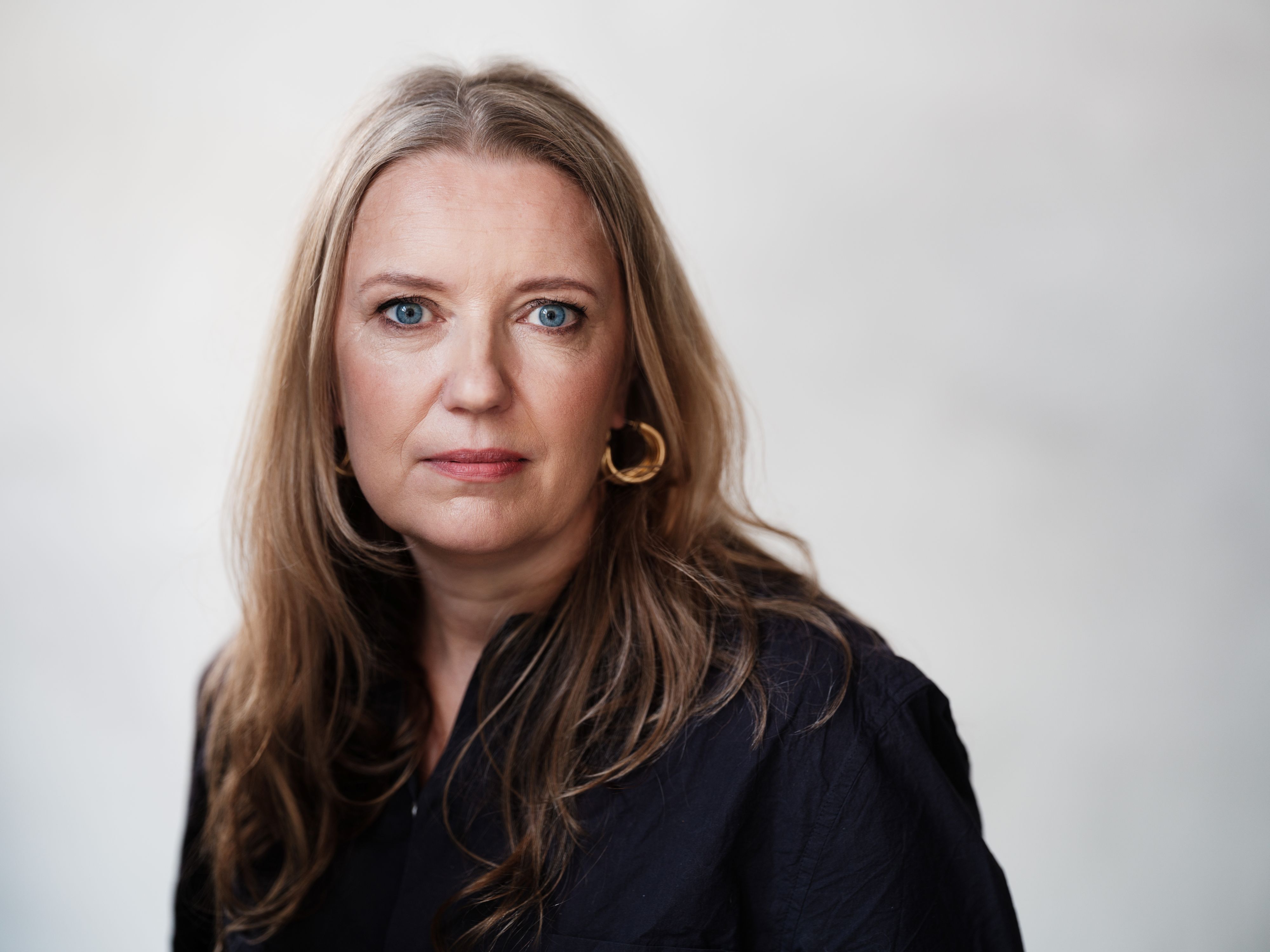
Writing in Metro, columnist Eva Munnik pushed back against the philosophy, identifying herself as a committed pamper-mother who actively removes cold weather discomforts for her children. Munnik argued that life provides plenty of natural hardships without parents manufacturing extra hurdles, pointing out that her 15-year-old daughter developed into a self-sufficient young adult despite receiving immediate comfort during childhood.
Experts Debate the Balance of Resilience and Emotional Security
The public debate highlights divergent interpretations of normal childhood resilience. While some educators interviewed in the reporting caution that removing every obstacle creates permissive parenting pitfalls, other specialists emphasize that a warm, secure emotional base remains the primary requirement for healthy child development.
Geeraerts noted that rigid parenting labels often mischaracterize the genuine efforts of parents, observing that acceptable child-rearing styles span a wide behavioral bandwidth as long as safety and affection remain foundational.
Disclaimer: The information provided in this article is for educational and scientific communication purposes only and does not constitute medical advice. Always consult with a qualified healthcare provider regarding any medical condition, diagnosis, or treatment plan.