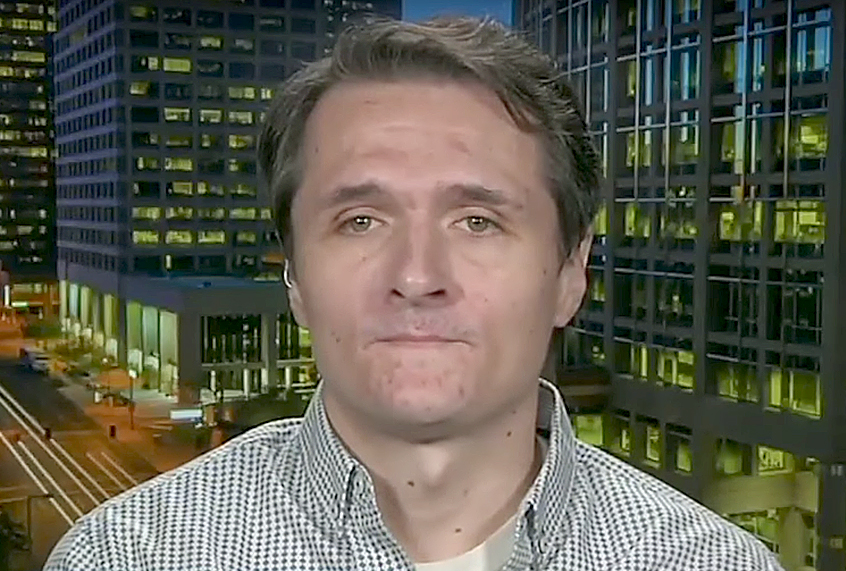
Paul Horner: The Rise and Fall of a Fake News Pioneer
Paul Horner, a 38-year-old digital writer who built a career publishing viral fabricated stories, was found dead in his bed last week, according to CBS News. Local authorities suspect a drug overdose as the cause of death and surmise no foul play, wrapping up a brief, high-profile run that saw his fictional output shared by major political figures and mainstream networks alike during the 2016 United States presidential election.
The death of a figure central to the contemporary misinformation debate highlights ongoing vulnerabilities in digital information ecosystems. For organizations, public figures, and municipal entities grappling with the fallout of rapid, unverified claims, separating noise from fact requires structured intervention.
The Mechanics and Reach of Fabricated Articles
According to statements Horner gave to The Washington Post, he believed his fabricated articles directly influenced Donald Trump’s 2016 electoral victory. His pieces, including claims that anti-Trump protesters were paid and that Barack Obama was secretly a radical Muslim, circulated widely on Facebook.
The distribution network extended well past casual social media users. Horner’s work was shared and occasionally treated as a primary source by Fox News, Donald Trump Jr., and then-campaign manager Corey Lewandowski. Articles continued to appear under his network’s infrastructure, including the pseudonym “Jimmy Rustling,” as recently as September 15, 2017.
Historical Context and the Economics of Misinformation
Writing for Salon, journalist Matthew Sheffield noted that Horner’s operations belonged to a long-standing tradition of partisan fabrication rather than representing an entirely new journalistic paradigm. Author Kurt Andersen similarly argued in published works that the modern fake-news era builds on centuries of credulity and institutional distrust.
Horner himself made little secret of the financial incentives driving his output. He stated that he earned approximately $10,000 monthly from ad revenue generated by readers who failed to verify claims. “They never fact-check anything!” Horner told The Washington Post in November 2016, describing an audience he viewed as fundamentally uncritical.
As digital platforms and communities adapt to the persistent threat of synthetic narratives, maintaining factual integrity remains an operational challenge.
The legacy left by Horner is not that of a pioneering media disruptor, but of an opportunistic actor who capitalized on an environment indifferent to verification. As public institutions and platforms continue to reckon with the velocity of unverified claims, the fundamental work of verification rests on rigorous fact-checking and institutional resilience.