
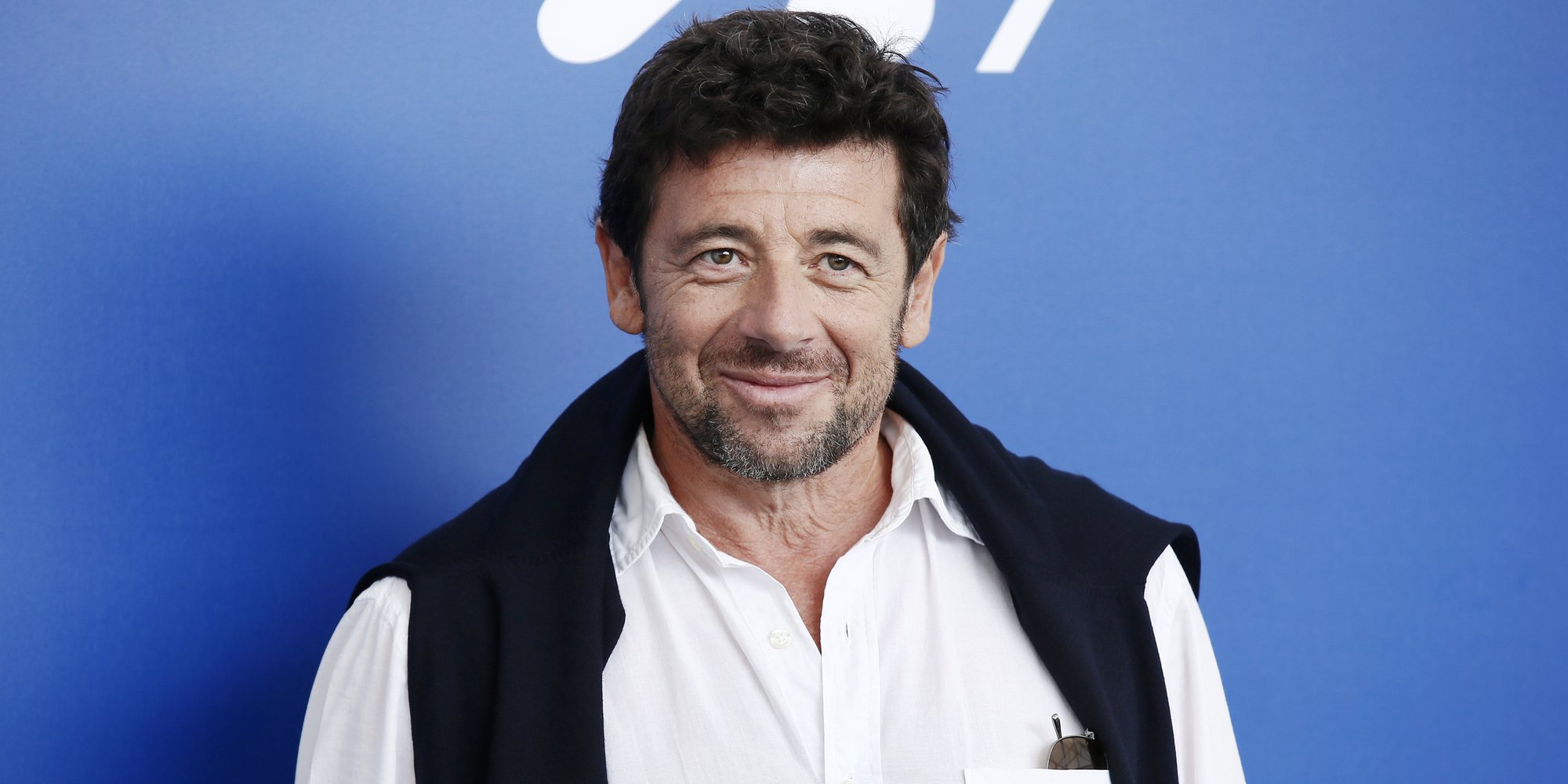
Patrick Bruel Faces Sexual Violence Accusations From Eight Women
French music icon Patrick Bruel has initiated a rigorous legal defense strategy following multiple sexual violence allegations filed in Belgium and France. As the artist denies claims of “clumsy seduction” turning into assault, the situation has evolved into a high-stakes crisis of brand equity and intellectual property liability. The entertainment industry is watching closely to see how legacy assets are managed when cultural capital faces existential legal threats.
The Collapse of the “Gentleman” Persona
Patrick Bruel isn’t just a singer; he is an institution. For four decades, he has occupied a specific lane in the Francophone cultural zeitgeist—the charming, tuxedo-clad crooner who bridges the gap between old-school cabaret and modern pop. But in 2026, that brand equity is under siege. The recent filings, which include accusations from eight women ranging from sexual assault to rape, have forced a rapid pivot from promotional cycles to damage control. The narrative has shifted from album sales to court dockets.

The core of the issue lies in the discrepancy between the public persona and the private allegations. Bruel’s camp has characterized the interactions as “clumsy seduction,” a phrase that lands poorly in the post-#MeToo landscape where consent is the non-negotiable currency of social interaction. This isn’t merely a tabloid story; it is a liability event. When an artist of this magnitude faces criminal charges, the immediate casualty is often the touring infrastructure. Promoters, insurers, and venue operators operate on risk-averse models. A single headline can trigger force majeure clauses, freezing millions in projected revenue.
In this vacuum of uncertainty, the standard playbook of silence or vague denials is insufficient. The industry requires a specialized intervention. When a legacy brand faces this level of public fallout, the immediate strategic move is to deploy elite crisis communication firms and reputation managers who specialize in high-profile litigation support. These aren’t just publicists; they are strategic architects who manage the narrative flow between legal counsel and the court of public opinion, ensuring that every statement mitigates rather than exacerbates the financial bleed.
Legal Strategy and the “Firm Line of Defense”
Bruel’s legal team has announced a “firm line of defense,” signaling an intent to litigate rather than settle quietly. This is a high-risk, high-reward strategy. In the entertainment sector, settlement often preserves the ability to work, whereas a protracted legal battle keeps the allegations in the news cycle, effectively poisoning the well for future projects. However, from an intellectual property standpoint, admitting guilt could devalue the entire back catalog and future licensing deals.
The complexity here involves cross-border jurisdiction. With complaints filed in Belgium and investigations potentially spanning French legal frameworks, the logistical burden is immense. This requires more than a standard criminal defense attorney; it demands counsel with specific experience in international entertainment law and cross-border litigation. The stakes involve not just personal liberty, but the ownership of a massive IP portfolio. If the artist is deemed uninsurable due to moral turpitude clauses, the production companies behind his tours and recordings face immediate solvency issues.
“In the modern media ecosystem, an allegation is a market correction. The speed at which brand value evaporates during a scandal is exponential. You don’t need a lawyer who knows criminal code; you need a strategist who understands how streaming algorithms and ticketing platforms react to toxicity.” — Elena Rossi, Senior Partner at Vantage Point Media Law (Simulated Expert Voice)
The distinction Bruel attempts to draw between “seduction” and “assault” is a legal argument, but culturally, it is a losing battle. As noted by Variety in their analysis of similar European scandals, the audience tolerance for ambiguity regarding consent has vanished. The “gentleman” archetype relies on trust. Once that trust is fractured, the Hollywood Reporter notes that recovery rates for male legacy artists in Europe hover below 15% without a complete artistic reinvention or a definitive legal exoneration.
The Economic Ripple Effect on Live Events
The immediate impact is visible in the live event sector. Bruel’s touring schedule, typically a reliable revenue generator for European arenas, now faces scrutiny. Event organizers are forced to evaluate the reputational risk of hosting the artist. This creates a domino effect affecting local economies. A tour of this magnitude isn’t just a cultural moment; it’s a logistical leviathan. The production is already sourcing massive contracts with regional event security and A/V production vendors, while local luxury hospitality sectors brace for either a historic windfall or a sudden cancellation.
If the tour proceeds, security protocols must be elevated to handle potential protests or media scrums, increasing overhead costs significantly. If the tour is cancelled, the breach of contract penalties could be staggering. This is where the intersection of entertainment news and business services becomes critical. The industry doesn’t just need news; it needs solutions. It needs specialized event insurance brokers who can navigate the grey areas of moral clause cancellations.
The Verdict on Brand Longevity
As we move through the spring of 2026, the entertainment calendar is crowded with festival announcements and summer tour kickoffs. Bruel’s absence or contested presence casts a shadow over the Francophone music scene. The “Problem/Solution” dynamic here is clear: The problem is the erosion of a multi-decade brand due to alleged personal conduct. The solution lies in a triad of aggressive legal defense, transparent crisis management, and potentially, a restructuring of how the artist’s IP is managed moving forward.
For the industry at large, this serves as a stark reminder that in the digital age, there is no statute of limitations on reputation. Whether Bruel is exonerated or convicted, the mechanics of his defense will set a precedent for how European media handles legacy artists in the #MeToo era. For professionals navigating similar turbulent waters, the path forward requires more than just a statement; it requires a coalition of experts. From digital reputation scrubbers to IP rights attorneys, the directory of available talent is the first line of defense in preserving the business of entertainment.