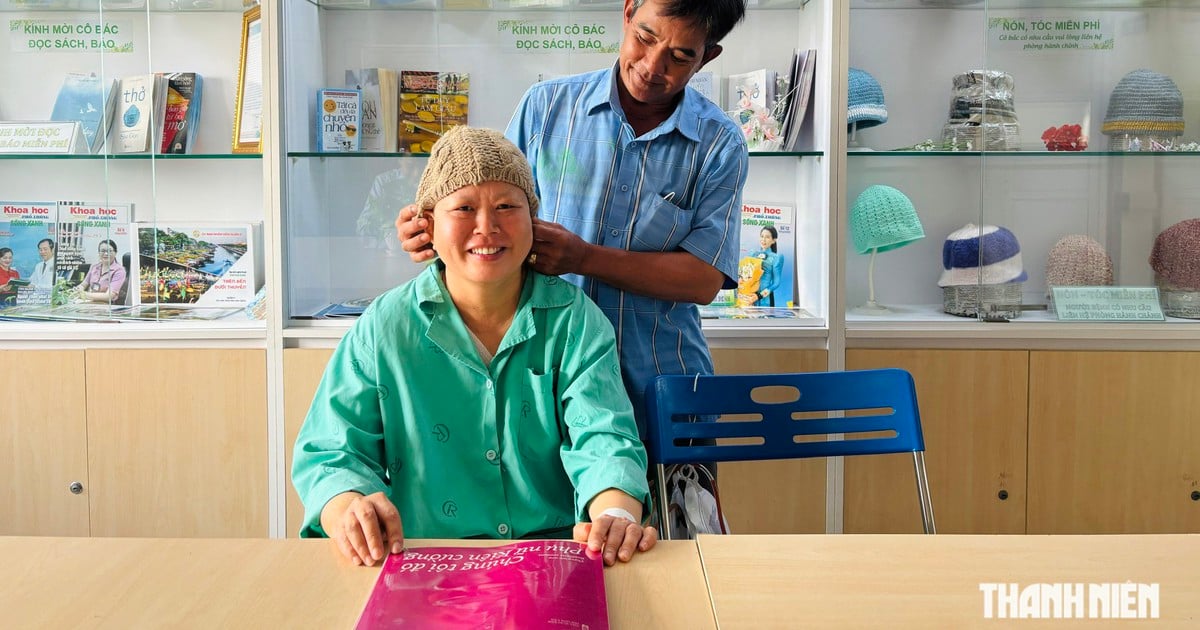
Patient Living Space at the Breast Center Treatment Zone
Cho Ray Hospital in Ho Chi Minh City has expanded its specialized oncology infrastructure by establishing a dedicated living and treatment space for breast cancer patients on the 7th floor of its breast service center. This initiative focuses on integrating psychosocial support with clinical intervention to reduce the morbidity associated with long-term cancer therapy in Vietnam’s high-volume medical environment.
- Integrated Care: The 7th-floor facility combines medical treatment with a dedicated living space to improve patient mental health.
- Specialized Focus: Infrastructure is tailored specifically for breast cancer patients, addressing the unique biological and psychological needs of this demographic.
- Systemic Impact: The model aims to alleviate the burden on general wards while maintaining strict clinical standards of care.
The expansion comes as Vietnam faces a rising incidence of breast cancer, which remains one of the most prevalent malignancies among women in the region. According to data from the World Health Organization (WHO), early detection and comprehensive supportive care are critical in improving five-year survival rates. The clinical gap in many public hospitals is not the lack of chemotherapy or surgical tools, but the absence of “healing environments” that mitigate the trauma of chronic hospitalization.
For patients navigating the complex pathogenesis of aggressive carcinomas, the stress of a sterile, high-traffic ward can exacerbate cortisol levels, potentially impacting immune response. By creating a specialized zone, Cho Ray Hospital addresses the need for a multidisciplinary approach where oncology, psychology, and social work intersect. Patients requiring complex diagnostic imaging or surgical interventions often face significant logistical hurdles; integrating these services within a dedicated wing reduces the risk of treatment delays.
Implementing Psychosocial Support in Clinical Oncology
The 7th-floor breast service center operates on the principle that the standard of care must extend beyond the administration of cytotoxic drugs. In oncology, the “biopsychosocial model” suggests that biological pathology is inextricably linked to psychological state and social environment. By dedicating a specific floor to breast cancer patients, the hospital creates a peer-support network that reduces the isolation often felt during chemotherapy cycles.
This structural shift is a response to the high patient volume typical of tertiary referral centers in Vietnam. When patients are sequestered in general oncology wards, the lack of gender-specific or disease-specific support can lead to higher rates of depression and anxiety. According to clinical guidelines published in PubMed, integrated supportive care can improve adherence to grueling treatment protocols, such as neoadjuvant chemotherapy, by increasing the patient’s emotional resilience.
Managing the side effects of these treatments—including alopecia, neuropathy, and extreme fatigue—requires a setting where patients feel secure. For those experiencing severe complications or requiring immediate palliative intervention, accessing vetted [Oncology Specialists] is critical to ensure that dosage adjustments are made based on real-time physiological markers rather than generalized protocols.
The Infrastructure of Specialized Breast Cancer Care
The design of the 7th-floor space is not merely aesthetic; it is a clinical tool. By separating the “living space” from the “treatment zone,” the hospital allows patients to mentally decouple their identity from their illness. This is particularly vital for breast cancer patients, where the loss of a breast or the scarring from a mastectomy impacts body image and mental health.
From a B2B perspective, the scaling of such specialized wings requires rigorous healthcare compliance and facility management. Hospitals expanding their specialized footprints must coordinate with [Medical Equipment Suppliers] to ensure that the 7th-floor infrastructure meets the stringent requirements for chemotherapy infusion pumps and monitoring systems. The logistical challenge lies in maintaining a “home-like” atmosphere without compromising the sterile requirements of a medical facility.
The funding for these infrastructure improvements in public hospitals often stems from a combination of government health budgets and philanthropic donations. In the Vietnamese healthcare system, the ability to blend public funding with community support allows for the creation of “human-centric” zones that would otherwise be omitted from standard government blueprints. This model aligns with the Journal of the American Medical Association (JAMA)‘s observations on the efficacy of patient-centered medical homes in improving long-term health outcomes.
Clinical Implications for Long-Term Recovery
The transition from acute treatment to survivorship is the most volatile phase of cancer care. Patients at Cho Ray Hospital who utilize the dedicated 7th-floor services are better positioned for this transition because they are immersed in a community of survivors. This prevents the “cliff effect,” where a patient feels abandoned by the medical system once their active chemotherapy or radiation ends.
The biological mechanism of recovery is heavily influenced by the reduction of systemic inflammation. Chronic stress triggers the hypothalamic-pituitary-adrenal (HPA) axis, which can suppress T-cell activity—the very cells needed to fight residual cancer cells. By lowering the environmental stress of the hospital stay, the facility indirectly supports the patient’s biological capacity to heal.
As the facility evolves, the integration of genomic testing and personalized medicine will likely be the next step. For patients whose tumors exhibit specific biomarkers, such as HER2-positive or triple-negative profiles, the need for highly specialized [Diagnostic Centers] becomes paramount. These centers provide the precision pathology necessary to tailor the drugs administered in the 7th-floor treatment zone.
The evolution of Cho Ray Hospital’s breast service center reflects a broader shift in global oncology: the move from treating the tumor to treating the person. While the pharmaceutical interventions remain the primary driver of survival, the environment in which those interventions occur determines the quality of that survival. For patients and families seeking the highest standard of oncology care, consulting with board-certified specialists and utilizing facilities that prioritize psychosocial integration is the most effective path toward recovery.
Disclaimer: The information provided in this article is for educational and scientific communication purposes only and does not constitute medical advice. Always consult with a qualified healthcare provider regarding any medical condition, diagnosis, or treatment plan.