
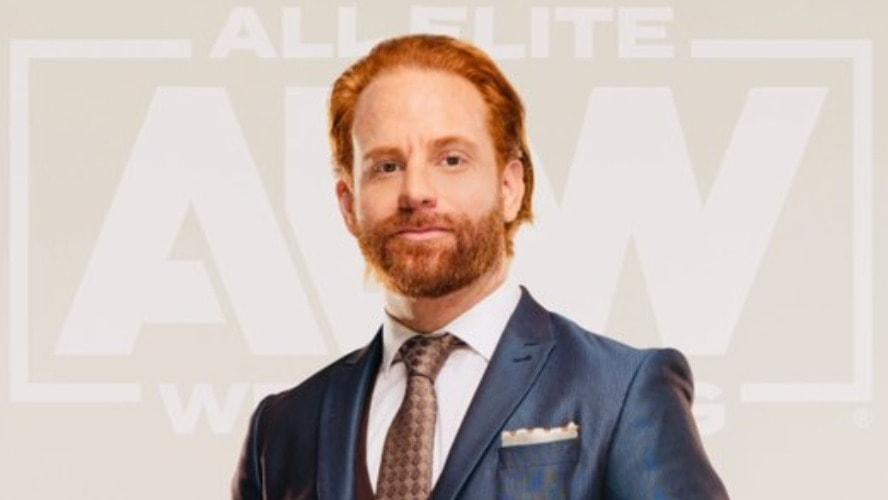
Pat Buck Slams TNA for Blocking MJF vs. Nic Nemeth Match
Pat Buck, owner of Create-A-Pro and AEW Vice President of Talent Development, has publicly condemned TNA Wrestling and President Carlos Silva for blocking a scheduled May 1 main event match between MJF and Nic Nemeth in Melville, New York, citing detrimental impacts on independent talent development and promotional etiquette.
The conflict exposes a widening rift between the corporate consolidation of professional wrestling and the grassroots infrastructure that sustains it. At the center of the dispute is a “partner conflict,” stemming from TNA’s long-term multi-year partnership with WWE and potential pressures from AMC. This corporate synergy has effectively created a contractual silo, where the interests of billionaire boardrooms override the operational stability of independent training grounds. When TNA forced a change to the main event just three weeks after it was approved and promoted, they didn’t just alter a match; they disrupted the financial and professional ecosystem of a “mom and pop” business.
For a promotion like Create-A-Pro, which operates as a school and dojo, live events are not merely entertainment—they are critical tools for periodization and skill maintenance. In an era where television contracts dictate the industry’s flow, the independent circuit provides the necessary liquidity and “ring time” for talent to sharpen their craft. By restricting these appearances, TNA is effectively throttling the talent pipeline that feeds the entire industry. This creates a precarious environment for athletes who rely on these dates to earn a living and maintain their professional standing.
The Front-Office Friction: Corporate Synergy vs. Independent Infrastructure
The tension here is a classic case of corporate misalignment. TNA is operating under a strategic alliance with WWE, a move designed to maximize broadcast reach and brand equity. But, this alliance appears to have created a rigid set of restrictions regarding inter-promotional bookings, particularly those involving AEW talent like MJF. While the high-level executives focus on long-term multi-year partnerships, the immediate casualty is the local promoter who has already invested in marketing and logistics.
According to a statement issued to PWInsider, Buck highlighted the hypocrisy of the situation, noting that TNA had previously relied on Create-A-Pro’s students for extra work and had even rented the school’s equipment to operate in the same market. The sudden shift from a symbiotic relationship to an obstructive one suggests a breakdown in industry etiquette. This volatility in card strength can be devastating for small-scale events, where the main event is the primary driver of ticket sales and local hospitality revenue.
| Entity | Role/Strategic Position | Primary Conflict/Interest |
|---|---|---|
| Create-A-Pro | Training School & Indie Promotion | Talent development and live event sustainability |
| TNA Wrestling | Television Promotion | Corporate synergy with WWE and AMC interests |
| AEW | Major Global Promotion | Protecting talent brand and maintaining industry pipelines |
| MJF / Nic Nemeth | Elite Tier Talent | Professional branding and independent earning potential |
The business fallout extends beyond the ring. When a main event of this magnitude is scrapped in a location like Melville, New York, it impacts the local economic ripple effect. Ticket holders may seek refunds and local vendors—from catering to security—face altered demand. For independent promoters, managing these sudden shifts requires a high level of agility and, often, the assistance of specialized contract lawyers to navigate the fallout of breached promotional agreements.
Pipeline Erosion and the “Cringe” of Corporate Overreach
Buck’s frustration is rooted in the systemic nature of the problem. Create-A-Pro serves as a vital conduit, training wrestlers for the very companies that are now blocking their opportunities. This creates a paradoxical loop: the industry relies on independent dojos to produce polished talent, yet the corporate entities governing those talents are increasingly restrictive. Buck described the situation as “cringe,” noting that while talent wasn’t pulled entirely, altering a main event on a limited stage has the same damaging impact.
The reaction from the talent has been equally sharp. MJF, calling into Busted Open Radio, characterized Carlos Silva’s restrictions on indie bookings as “disgusting.” This sentiment reflects a broader anxiety among elite performers who view these restrictions as an infringement on their professional autonomy. For athletes transitioning between high-pressure television schedules and independent dates, the ability to manage their own “load management” and skill set is paramount.
This environment underscores the need for comprehensive support systems. While elite stars have corporate backing, the students and developing athletes at schools like Create-A-Pro must often secure their own sports rehabilitation and performance clinics to ensure their longevity in a sport that offers little in the way of long-term corporate security.
The Logistical Vacuum in Melville, New York
From a logistical standpoint, changing a main event three weeks out is a promoter’s nightmare. The promotional cycle—social media blasts, ticket tiers, and local advertising—is already in motion. When the headliner is altered, the “perceived value” of the ticket drops, often leading to a cascade of cancellations. This creates a vacuum that local regional event management firms must scramble to fill, often at a loss to the promoter.
Buck’s assertion that “you meet people with grace, not chaos” points to a failure in professional communication. In the business of sports and entertainment, the relationship between the “pipeline” (the schools) and the “platform” (the TV promotions) must be based on mutual respect. When a major company creates a problem for a smaller partner and “walks away from it” without offering a way to return value—such as sending replacement talent or strengthening the remaining card—it damages the overall health of the sport.
As the industry continues to consolidate, the tension between the “billionaire boardroom” and the “mom and pop” dojo will only intensify. The current trajectory suggests a move toward a more closed ecosystem, which may benefit short-term broadcast metrics but threatens the long-term quality of the in-ring product by starving the independent circuit of its biggest draws.
The fallout from this decision will likely linger as the May 1 date approaches. Whether TNA attempts to “create it right” is now secondary to the damage already done to the promotional trust. For those navigating the complexities of the modern sports business, from athletes seeking representation to promoters building their brands, the importance of vetted professional networks is undeniable. The World Today News Directory remains the premier resource for finding the legal, medical, and logistical experts necessary to survive the volatility of the global sports market.
Disclaimer: The insights provided in this article are for informational and entertainment purposes only and do not constitute medical advice or sports betting recommendations.