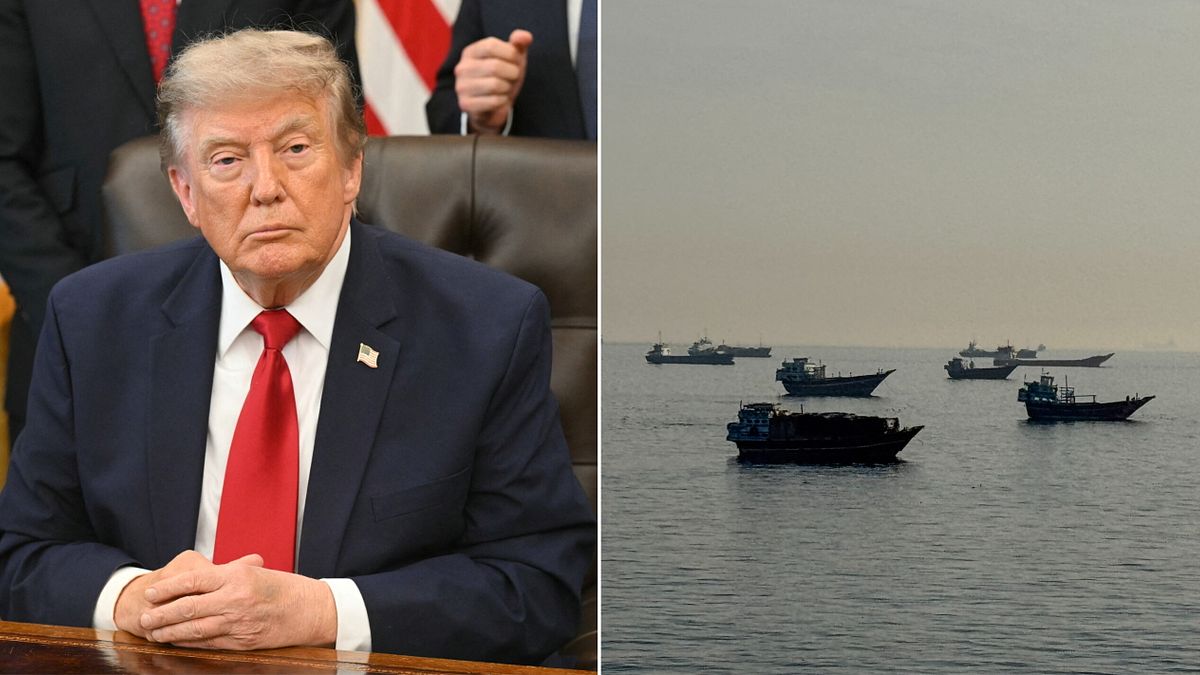
Pasdaran Threatens to Close Strait of Hormuz as US Military Sites in Bahrain Destroyed
The Islamic Revolutionary Guard Corps (IRGC) has issued a formal threat to close the Strait of Hormuz, citing ongoing regional hostilities as the primary justification. Simultaneously, reports indicate the destruction of U.S. military infrastructure in Bahrain. These developments represent a critical escalation in Middle Eastern security, threatening global oil transit and heightening the risk of direct military confrontation between Iranian-backed forces and Western interests.
The Strategic Significance of the Hormuz Chokepoint
The Strait of Hormuz remains the world’s most critical maritime oil chokepoint. According to data from the U.S. Energy Information Administration, approximately one-fifth of the world’s total oil consumption passes through this narrow passage daily. Any sustained closure or threat of closure triggers immediate volatility in global energy markets, forcing multinational corporations to reassess their supply chain resilience.
The IRGC’s declaration is not merely rhetorical; it is a calculated attempt to leverage energy dependency as a tool of asymmetric warfare. For global firms, this necessitates immediate engagement with maritime risk mitigation specialists to evaluate alternative transport routes and insurance premiums for vessels operating in the Persian Gulf.
Escalation in Bahrain: Assessing the Damage
The reported destruction of U.S. military facilities in Bahrain marks a shift from proxy skirmishes to direct targeting of American assets in the Gulf. Bahrain hosts the headquarters of the U.S. Navy’s Fifth Fleet, a cornerstone of the regional security architecture designed to ensure freedom of navigation. The vulnerability of these fixed installations suggests a change in the tactical capabilities of regional actors.
Analysts note that this is a departure from previous patterns of engagement. “The ability to strike fixed, high-value targets in a host nation like Bahrain forces a complete re-evaluation of force protection strategies for both military and civilian assets,” notes a senior fellow at the Center for Strategic and International Studies. For multinational enterprises operating in the region, the situation demands a rapid audit of physical security infrastructure, often requiring the expertise of corporate security and crisis management firms to protect personnel and assets.
Macro-Economic Ripple Effects and Market Volatility
Energy markets are highly sensitive to geopolitical shocks. The announcement from the IRGC has already begun to influence futures contracts, reflecting a “risk premium” on crude oil prices. Beyond energy, the uncertainty threatens to disrupt foreign direct investment (FDI) across the Gulf Cooperation Council (GCC) states. Investors are shifting toward a defensive posture, prioritizing liquidity and short-term stability over long-term capital deployment.
The logistical impact extends beyond oil. Many global shipping lines are already navigating heightened insurance costs. For companies reliant on just-in-time manufacturing, the threat of a closed strait translates into potential inventory shortages and increased lead times. Firms are increasingly turning to international supply chain logistics consultants to build redundancy into their procurement strategies.
Legal and Diplomatic Precedents
The closure of an international strait constitutes a significant violation of the United Nations Convention on the Law of the Sea (UNCLOS), which guarantees the right of transit passage. However, the enforcement of these norms is difficult in the current atmosphere of strained diplomatic relations. The United States and its regional allies are currently weighing the balance between deterrent military posturing and diplomatic de-escalation.
The legal complexity of operating in an active conflict zone is substantial. Multinational corporations must ensure their operations comply with evolving international sanctions and export control regimes. Engaging with international trade and sanctions law firms is a standard practice for navigating the rapidly shifting regulatory environment that follows such escalations.
The Shifting Chessboard
The rhetoric from Tehran, coupled with the tactical strike in Bahrain, indicates that the regional status quo is no longer sustainable. As the IRGC continues to link maritime security to the cessation of regional military operations, the probability of miscalculation remains high. For global businesses, the era of assuming regional stability in the Persian Gulf has concluded.
Navigating this environment requires more than passive monitoring; it requires proactive alignment with specialized partners who understand the intersection of hard power and global commerce. Whether it is hardening supply chains, securing digital infrastructure against state-sponsored cyber retaliation, or ensuring legal compliance amidst shifting sanctions, the complexity of the current geopolitical climate demands a strategic approach to risk.
As the situation develops, organizations must ensure they are supported by the professional expertise necessary to mitigate the fallout. Our directory provides access to the leading geopolitical risk consultants and international crisis management experts prepared to assist in navigating these turbulent conditions.