Partial Lunar Eclipse: What to Expect and How to Watch
Partial Lunar Eclipse Visible Across Bogotá, Caracas, and Southern Europe
A partial lunar eclipse will be visible from several regions, including Bogotá, Caracas, and parts of the Iberian Peninsula, on August 28. The event occurs when a portion of the moon enters the Earth’s umbra, the darkest part of its shadow, reducing the lunar disk’s brightness according to reports from NTN24 and National Geographic España.
Observation Windows for Colombia and Venezuela
Residents of Bogotá and Caracas can observe the partial eclipse, with specific timings and visibility guidelines provided by regional outlets. In Colombia, the event will be visible from the Huila department, according to laultima.com.co. NTN24 reports that the phenomenon will be accessible to viewers in Bogotá, though the degree of visibility depends on local weather conditions and the moon’s position in the sky.
In Venezuela, the Mayor’s Office of Maracaibo is organizing a scientific and astronomical event to facilitate public observation. According to Noticia al Dia, this organized viewing will take place at the Parque Monumental Ana María Campos, where astronomical tools and guidance will be provided to help citizens track the partial lunar shadow.
Visibility in Spain and Southern Europe
The eclipse will be visible from the Iberian Peninsula on August 28, National Geographic España reports. Specific locations in Spain are preparing for the event, including the Cabo de Gata region. La Crónica del Parque confirms that the skies of Cabo de Gata are positioned for the observation of the partial lunar eclipse, citing the area’s clarity as a factor for viewing.
Technical Characteristics of the Partial Eclipse
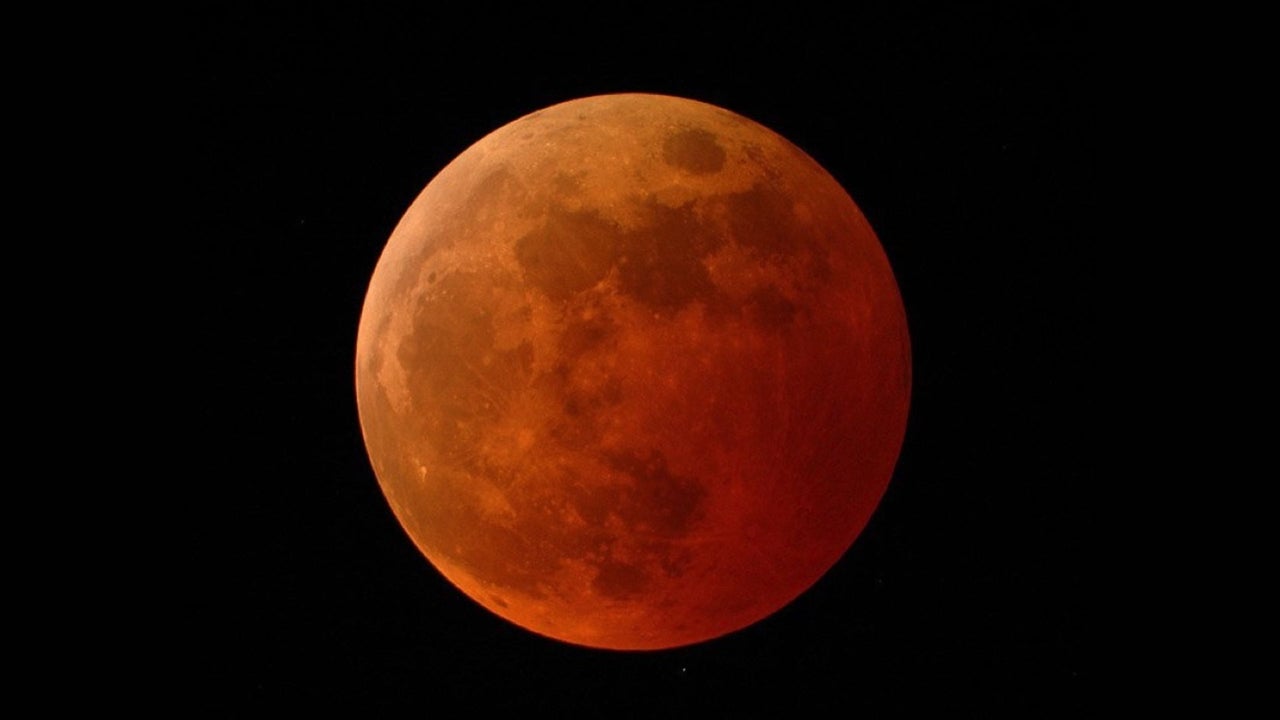
Unlike a total lunar eclipse, where the moon turns a reddish hue as it fully enters the Earth’s shadow, a partial eclipse involves only a segment of the moon passing through the umbra. This results in a “bite” appearing to be taken out of the lunar disk. National Geographic España notes that the event is visible to the naked eye and does not require the specialized solar filters necessary for solar eclipses.
The visibility of the event is subject to the lunar cycle and the alignment of the Earth, Sun, and Moon.